
 Pin It
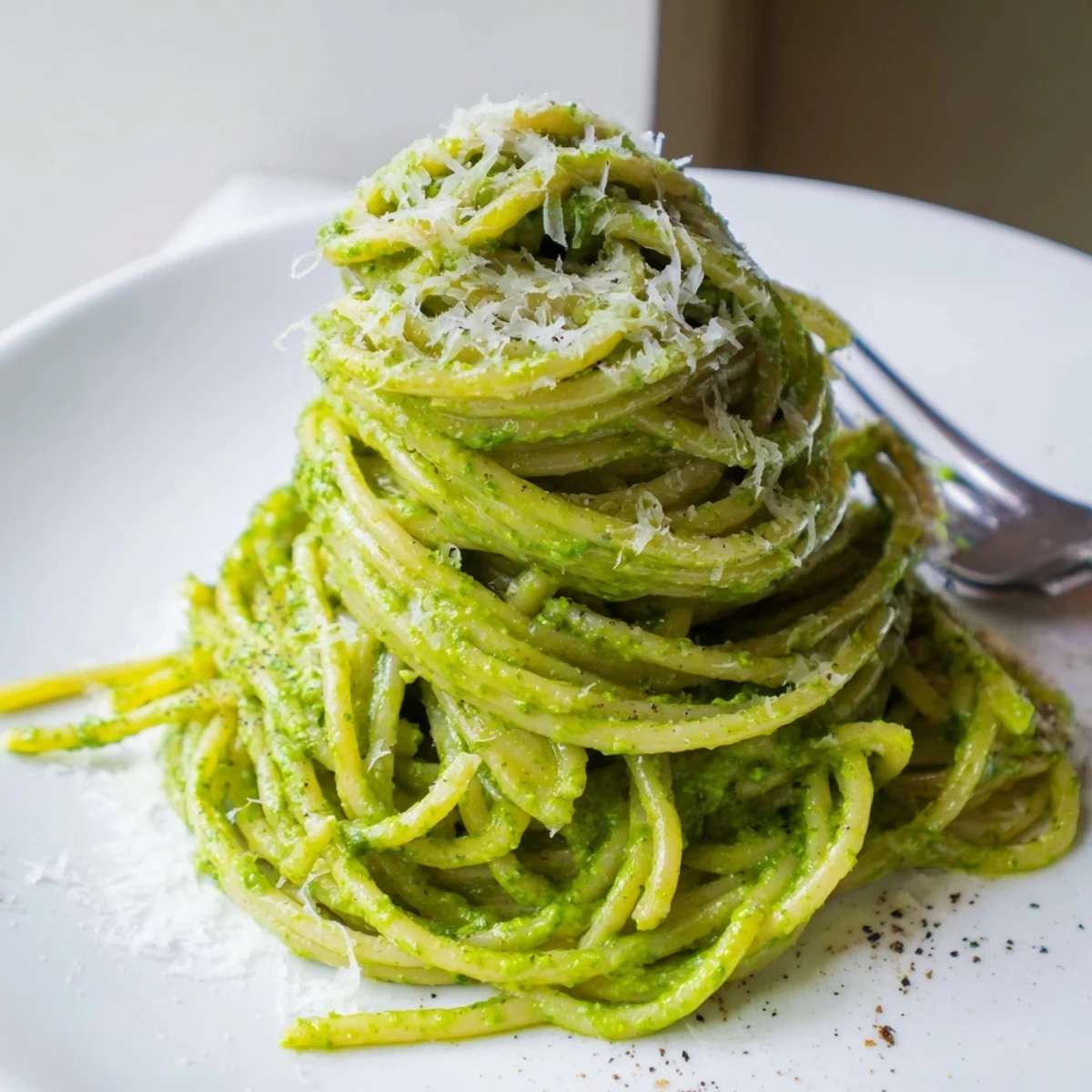
 This wild garlic pesto pasta brings the fresh, vibrant taste of spring straight to your plate. Made with aromatic wild garlic leaves, toasted pine nuts, and freshly grated Parmesan, the pesto coats every strand of pasta in a silky, nutty sauce.
Ready in just 25 minutes, it's a simple yet impressive dish perfect for weeknight dinners or casual entertaining. The bright lemon and fragrant garlic create a lively flavor profile that celebrates seasonal ingredients at their best.
There is a narrow lane behind my apartment that explodes with wild garlic every April, and one rain soaked Tuesday I came home with my jacket pockets stuffed full of the stuff, smelling like a garlic farm had collided with a flower shop.
My neighbor Claudia knocked on my door that evening asking if something was burning, and ended up staying for two bowls, standing in the kitchen, twirling pasta around her fingers because I had not washed the forks.
Ingredients
- Wild garlic leaves (75 g): Pick the youngest, brightest leaves you can find, and rinse them thoroughly because woodland grit will ruin the silkiness you are after.
- Toasted pine nuts (50 g): A quick toast in a dry pan transforms them from waxy to deeply nutty, but watch them like a hawk because they burn in seconds.
- Freshly grated Parmesan (50 g): Grate it yourself from a block, since the pre grated kind contains anti caking agents that make the pesto grainy.
- Garlic clove (1): Just one, because the wild garlic already brings plenty of punch.
- Extra virgin olive oil (100 ml): Use the good stuff here, a fruity, grassy oil makes a noticeable difference.
- Lemon juice (from half a lemon): This brightens everything and keeps the vivid green from turning dull.
- Salt and black pepper: Season gradually and taste as you go.
- Dried pasta (400 g): Spaghetti or linguine hold the slick pesto beautifully, but penne works when you want something more casual.
Instructions
- Get the water going:
- Bring a large pot of well salted water to a rolling boil and cook the pasta according to the package until just al dente, then scoop out half a cup of that starchy water before draining.
- Build the pesto:
- Pile the wild garlic leaves, toasted pine nuts, Parmesan, and garlic clove into your food processor and pulse until everything is roughly chopped, scraping down the sides once or twice.
- Stream in the oil:
- With the motor running, pour the olive oil in a slow, steady stream until you get a lush, vibrant green paste, then squeeze in the lemon juice and season with salt and pepper to your liking.
- Marry it all:
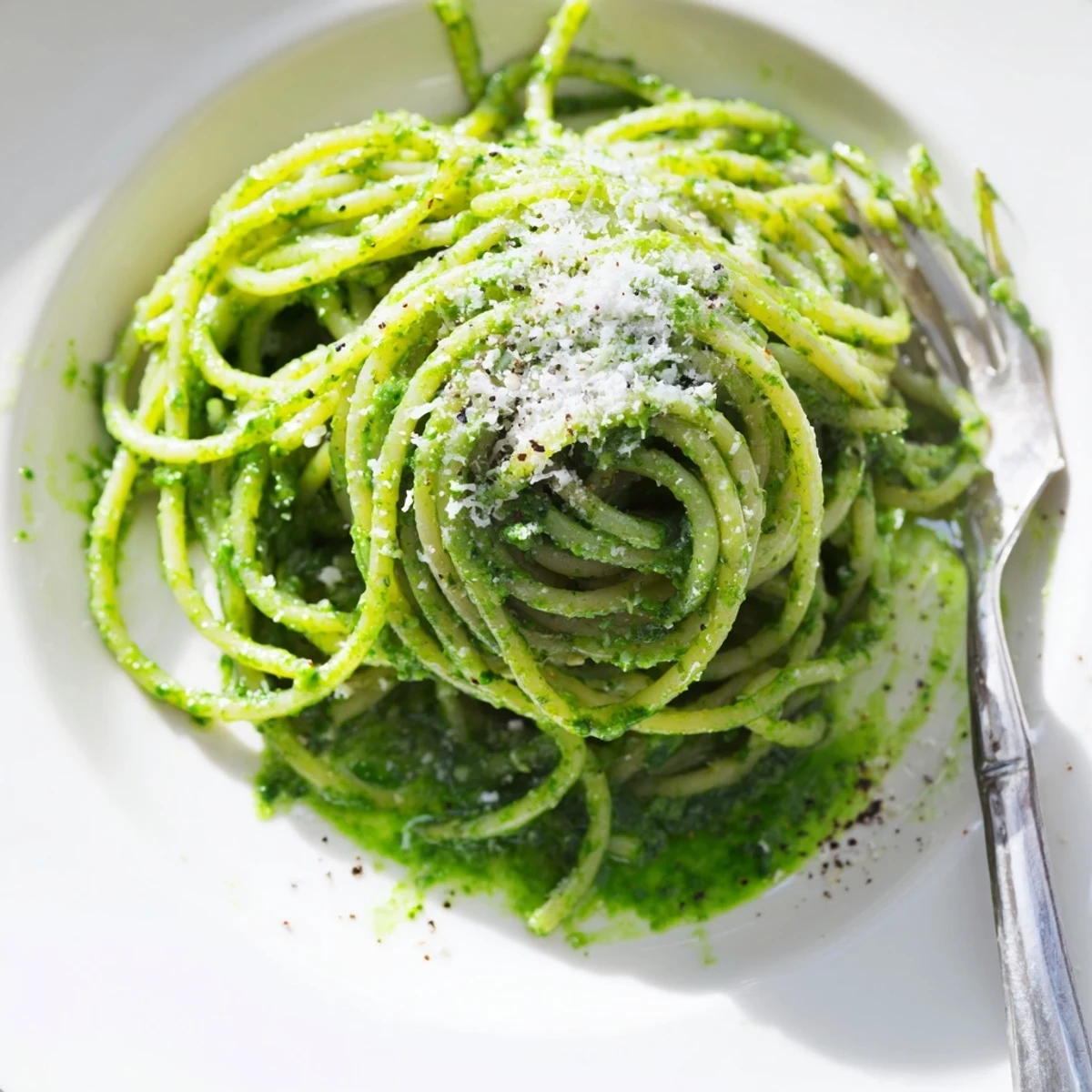
- Tumble the drained pasta back into the pot, spoon the pesto over it, and toss vigorously, splashing in reserved pasta water a little at a time until every strand is glossed and slippery.
- Plate and finish:
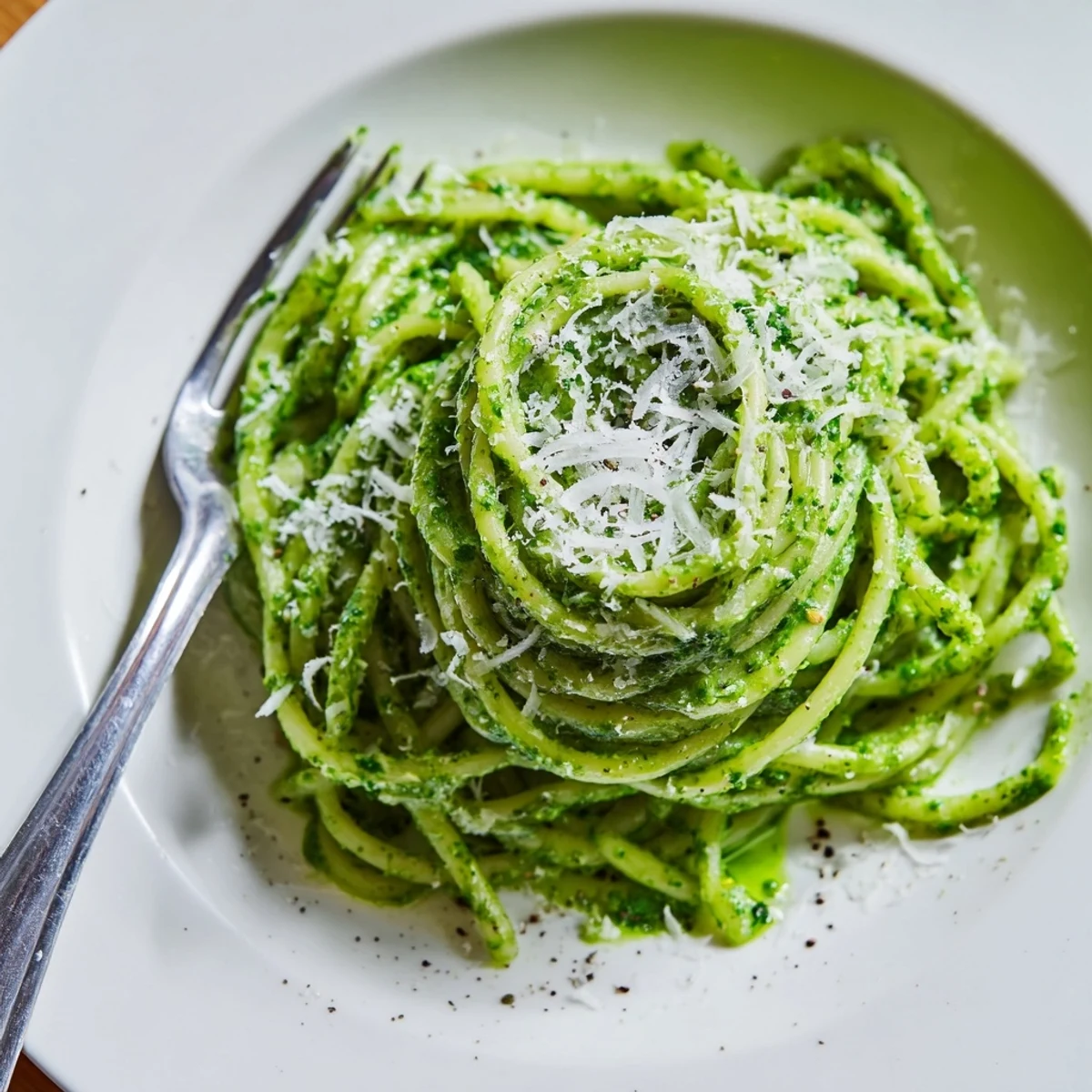
- Divide among bowls right away and shower with extra Parmesan and a generous crack of black pepper if the mood strikes you.
 Pin It
 Claudia now texts me every April asking whether the lane is ready, and I have learned to lie and say not yet so I can forage in peace for at least one solitary batch.
What If You Cannot Find Wild Garlic
A mix of regular basil and a handful of baby spinach with an extra garlic clove will get you surprisingly close in flavor, though you lose that woodland perfume.
Making It Vegan Without Losing Soul
Nutritional yeast stands in for Parmesan better than you might expect, bringing a savory depth that actually lets the wild garlic shine more clearly.
Storage and Leftovers
The pasta is best the moment it is tossed, but extra pesto on its own keeps beautifully in the fridge for three days if you press plastic wrap directly against the surface.
- A thin layer of olive oil on top of stored pesto prevents oxidation and keeps the color bright.
- Leftover pesto stirred into scrambled eggs the next morning is an unfairly good breakfast.
- Never reheat the pesto directly, just fold it into warm pasta and let the residual heat do the work.
 Pin It
 Some recipes are about technique and some are simply about showing up at the right moment, and this one is a reminder that the best cooking happens when the world hands you something unexpected and you just say yes.
Recipe Questions
- → Where can I find wild garlic leaves?
-
Wild garlic, also known as ramsons, grows abundantly in woodland areas during spring. You can forage it from March to May, or look for it at farmers' markets and specialty grocers during the season.
- → Can I use regular garlic instead of wild garlic?
-
Regular garlic won't provide the same fresh, grassy flavor. A better substitute would be a combination of basil leaves and a small garlic clove, or a mix of spinach and garlic to approximate both the color and mild garlic notes.
- → What pasta shapes work best with this pesto?
-
Long strands like spaghetti or linguine work beautifully, allowing the pesto to coat evenly. Short shapes like penne or fusilli also work well, as their ridges and curves hold the sauce nicely.
- → How do I store leftover wild garlic pesto?
-
Transfer leftover pesto to a jar, press a piece of plastic wrap directly onto the surface, and refrigerate for up to 3 days. You can also freeze it in ice cube trays for up to 3 months.
- → Can I make this dish vegan?
-
Yes, simply replace the Parmesan with nutritional yeast or a plant-based hard cheese alternative. The pesto will still deliver plenty of savory, umami flavor without any dairy.
- → Why reserve pasta water for the sauce?
-
Pasta water contains starch that helps the pesto adhere to the pasta and creates a silky, emulsified sauce. Adding a splash while tossing brings everything together and prevents the dish from feeling dry.