
 Pin It
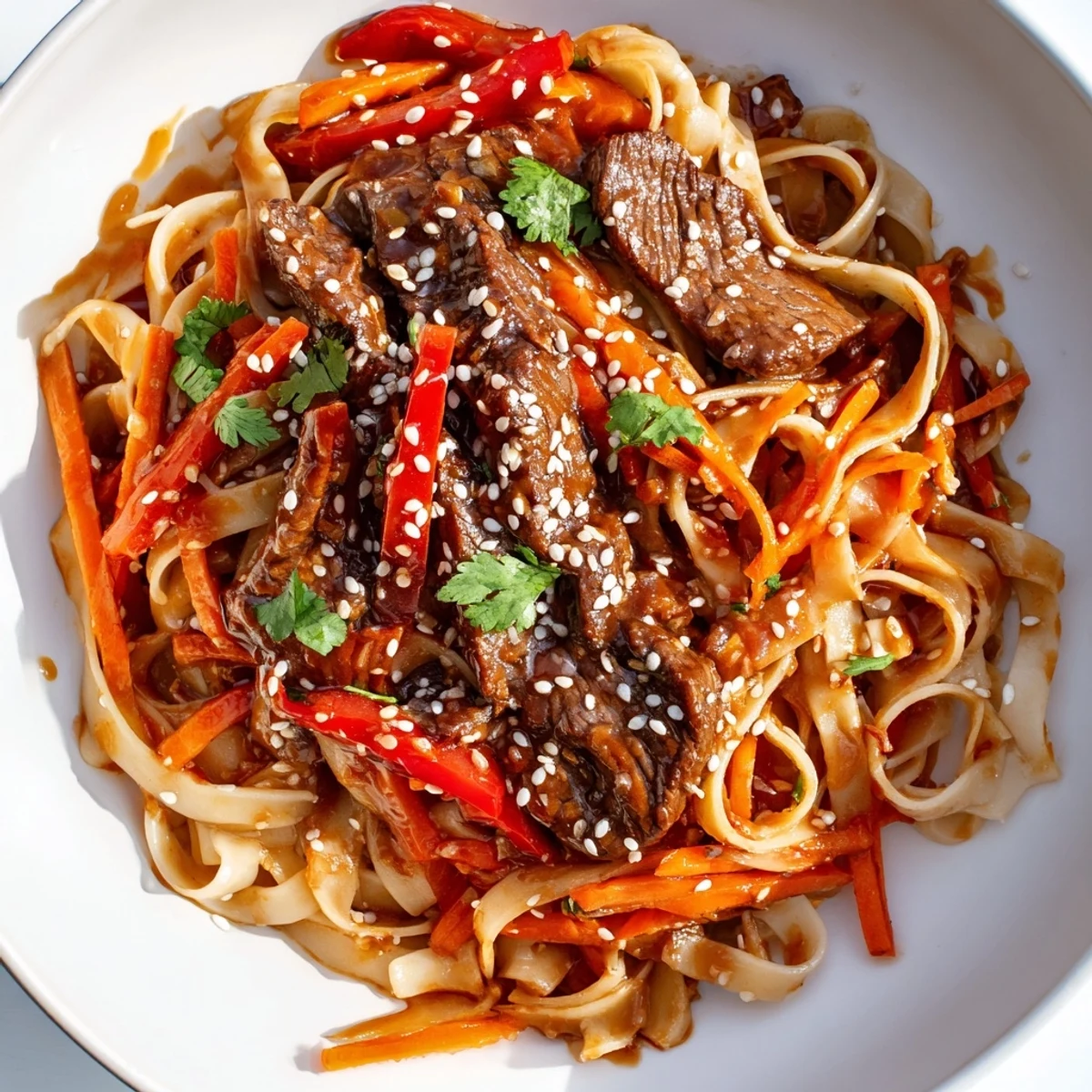
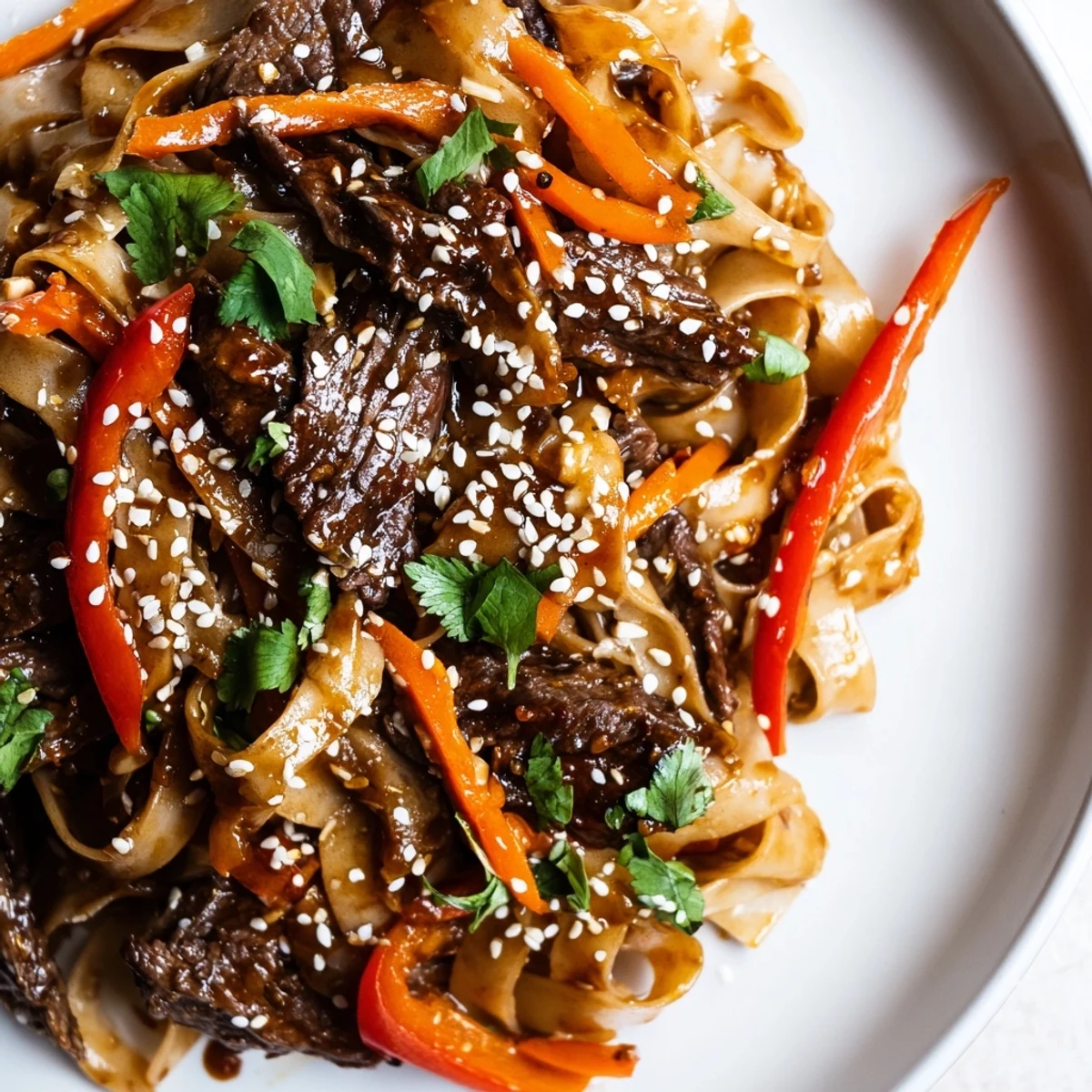
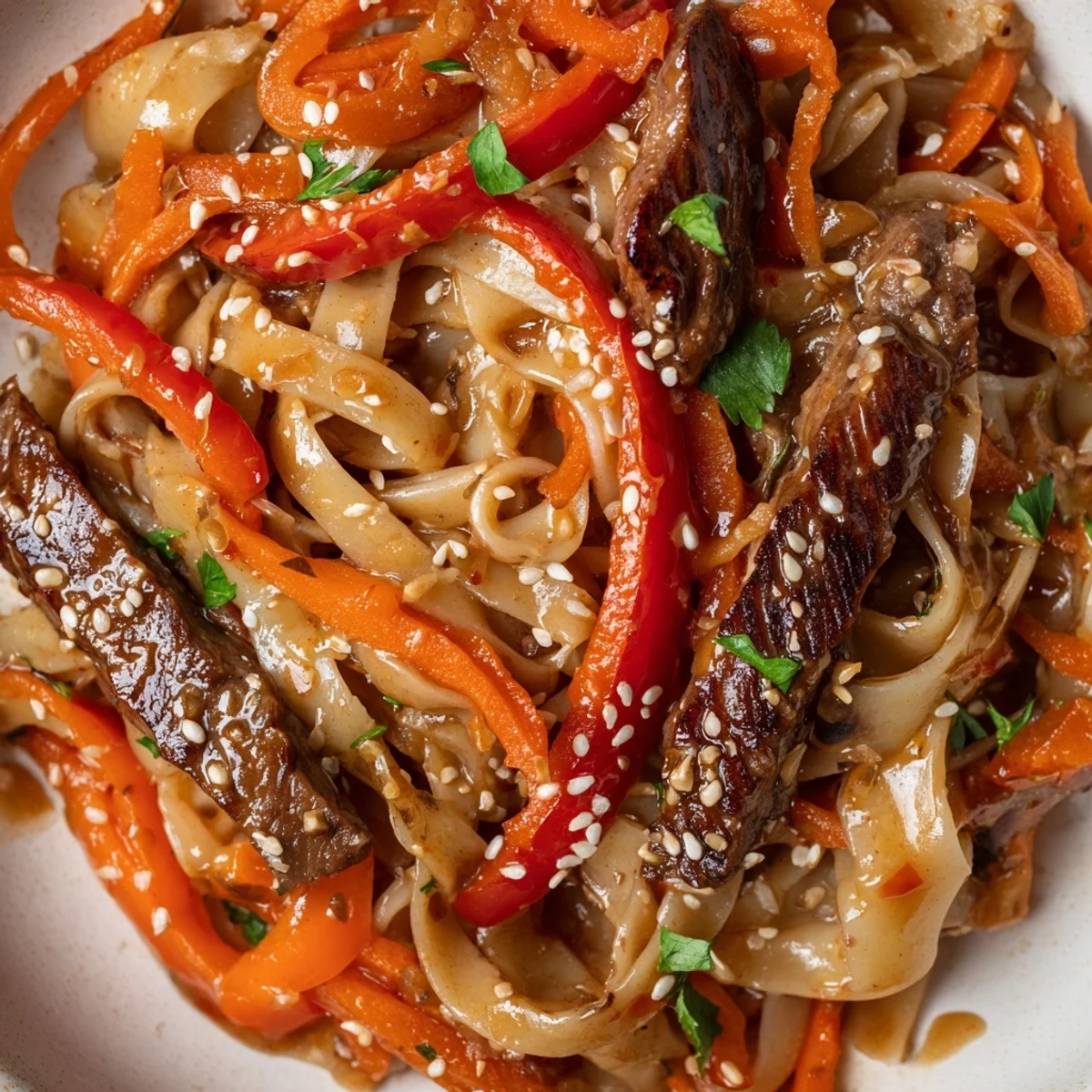
 This dish features tender slices of beef marinated in savory sauces, stir-fried with crisp vegetables like bell pepper, carrot, and snow peas. Wide rice noodles soak up a vibrant, spicy sauce combining chili garlic, soy, and vinegar, creating a balanced flavor profile. Garnished with toasted sesame seeds, fresh coriander, and lime wedges, the meal offers an exciting blend of textures and spice levels. Ideal for weeknight dinners and spice lovers seeking a quick, flavorful dinner option.
There's something about the sizzle of beef hitting a hot wok that makes everything else fade away—the kitchen fills with this incredible aroma that pulls everyone toward the counter like a magnet. I discovered this spicy beef noodle dish during a late-night cooking experiment when I had leftover flank steak and a craving for something bold enough to wake me up. What started as improvisation became a weeknight staple that I now make almost reflexively, building layers of heat and umami until the whole dish sings. It's the kind of meal that tastes restaurant-quality but somehow feels like a secret you've only just learned.
I'll never forget cooking this for my sister the night before her big presentation—she sat at the counter nervously going over notes while I worked, and by the time those noodles hit the wok, she'd stopped talking and just breathed in deeply. The spice seemed to settle her somehow, and we ended up eating straight from the wok, laughing about nothing in particular. Food does that sometimes; it creates these small pockets of calm in chaotic moments.
Ingredients
- Flank steak or sirloin (400g): The thinner you slice it, the faster it cooks and the more surface area catches that gorgeous sear—freeze it for 30 minutes if your knife feels dull.
- Soy sauce and oyster sauce: These two are the backbone of your marinade, creating that savory foundation that makes the beef taste like it's been braising for hours.
- Cornstarch and sesame oil: Cornstarch seals in the beef's moisture while sesame oil adds that whisper of toasted richness that makes people ask what your secret is.
- Wide rice noodles or egg noodles (300g): Wide noodles catch sauce better and have a satisfying chew that thin ones just can't deliver.
- Chili garlic sauce: This is where you control the heat—start with less than you think you need, because it builds as it sits.
- Dark soy sauce: It adds depth and color without making things saltier, which is the difference between good and restaurant-level.
- Rice vinegar, brown sugar: These balance the heat and saltiness with brightness and subtle sweetness, rounding out the flavor profile.
- Red bell pepper and carrot: The vegetables should stay crisp-tender, so they provide textural contrast against the soft noodles and beef.
- Snow peas: These keep their snap and add a grassy freshness that cuts through the richness beautifully.
- Garlic and ginger: Mince these small—they're meant to perfume the oil, not announce themselves as distinct pieces.
- Spring onions: Separating white and green parts matters; whites go in early for cooked allium flavor, greens finish raw for brightness.
- Sesame seeds and cilantro: These are your final flourish, adding texture and herbaceous freshness when everything else is hot and heavy.
Instructions
- Marinate the beef:
- Combine your sliced beef with soy sauce, oyster sauce, cornstarch, sesame oil, and pepper in a bowl, stirring so every slice gets coated. Let it sit for 15 minutes while you prep everything else—this isn't wasted time, it's giving the marinade a chance to work its way into the meat.
- Cook the noodles:
- Follow the package directions, but aim for just barely al dente since they'll finish cooking in the wok. Drain and rinse with cold water to stop them from sticking together—a quick toss with your hands helps separate them.
- Build your sauce:
- Whisk together the two soy sauces, chili garlic sauce, brown sugar, and rice vinegar in a small bowl. This is your moment to taste and adjust the spice level before everything gets hot and fast.
- Sear the beef:
- Get your wok or skillet smoking hot, add a tablespoon of oil, and arrange the beef in a single layer to sear for just 1–2 minutes per side until the edges brown but the inside stays tender. Don't stir it around—let it sit and develop that caramelized crust, then remove it to a plate.
- Bloom the aromatics:
- Add the second tablespoon of oil to the wok, then immediately add minced garlic, ginger, and the white parts of the spring onions. Stir constantly for about 30 seconds until the kitchen smells absolutely incredible—that's when you know they're just starting to brown and release their flavor.
- Stir-fry the vegetables:
- Toss in your bell pepper, carrot, and snow peas, keeping the heat high and the wok moving for 2–3 minutes. You want them tender but still with a slight snap when you bite down, not collapsed into softness.
- Bring it all together:
- Return the beef to the wok along with the cooked noodles and pour in your sauce. Toss everything constantly over high heat for 2–3 minutes, making sure every strand of noodle gets coated and the beef is heated through without overcooking.
- Finish and serve:
- Kill the heat, scatter the spring onion greens, sesame seeds, and cilantro over the top, and serve immediately with lime wedges on the side. The residual heat will keep everything warm while you plate it, but eat it fast because this dish doesn't like to wait.
 Pin It
 There's a moment every single time I make this—right when the beef hits the wok and that sizzle erupts—where I remember why I fell in love with cooking in the first place. It's not about feeding people, though that matters; it's about that split second where heat and technique and timing come together and create something that didn't exist five minutes before.
The Spice Factor
Heat isn't just about how hot your mouth gets—it's about how the spice plays with the salty, sweet, and sour elements on your palate. I've learned that chili garlic sauce varies wildly between brands, so starting conservatively and tasting as you go prevents the dish from becoming a punishment rather than a pleasure. The brown sugar and rice vinegar are your allies here; they soften the blow of the chili and make the whole sauce feel balanced instead of one-dimensional and sharp.
Timing and Temperature
The entire wok part of this recipe happens in about 10 minutes total, which means your prep work is your real deadline—everything needs to be sliced, minced, and measured before you turn the heat on. I've found that having a small prep bowl for each ingredient prevents that panicked moment when you're stir-frying and suddenly remember you haven't grated the ginger yet. High heat is essential, but that doesn't mean reckless; controlled heat with confident, quick movements creates better results than chaotic stirring.
Customization and Variations
This recipe is a framework, not a rule—I've made it with chicken when beef felt too heavy, with tofu for vegetarian friends who wanted the same bold flavors, and even with leftover roasted duck that absolutely sang in this sauce. Some nights I add mushrooms or bok choy for different vegetables, and once I threw in some cashews at the end for textural interest that completely changed how the dish landed. The sauce is what ties everything together, so as long as you keep that balance of spicy, salty, sweet, and sour, you can improvise the proteins and vegetables based on what's in your kitchen.
- Chicken breast cooks faster than beef, so adjust your sear time to 30 seconds per side to avoid drying it out.
- For a vegetarian version, crispy pressed tofu sears beautifully and soaks up the sauce like a dream.
- Add vegetables in order of how long they take to cook—carrots first, then peppers, then quick-cooking greens last.
 Pin It
 This spicy beef noodle dish has become one of those meals I reach for when I need to feed people something that feels special without theater or pretense. It's honest food that tastes exciting, ready in the time it takes to set the table and pour drinks.
Recipe Questions
- → How can I adjust the spiciness of the dish?
-
Modify the amount of chili garlic sauce to suit your preferred heat level, adding gradually to control spice.
- → What noodles work best for this dish?
-
Wide rice noodles are traditional, but egg noodles can also be used for a different texture.
- → Can I use a different protein instead of beef?
-
Yes, chicken or tofu can replace beef for variation without altering core flavors.
- → What vegetables complement the flavors well?
-
Bell pepper, carrot, snow peas, and spring onions provide vibrant color, crunch, and freshness.
- → How should I cook the noodles for best results?
-
Cook according to package instructions, then rinse briefly with cold water to prevent sticking and maintain texture.