
 Pin It
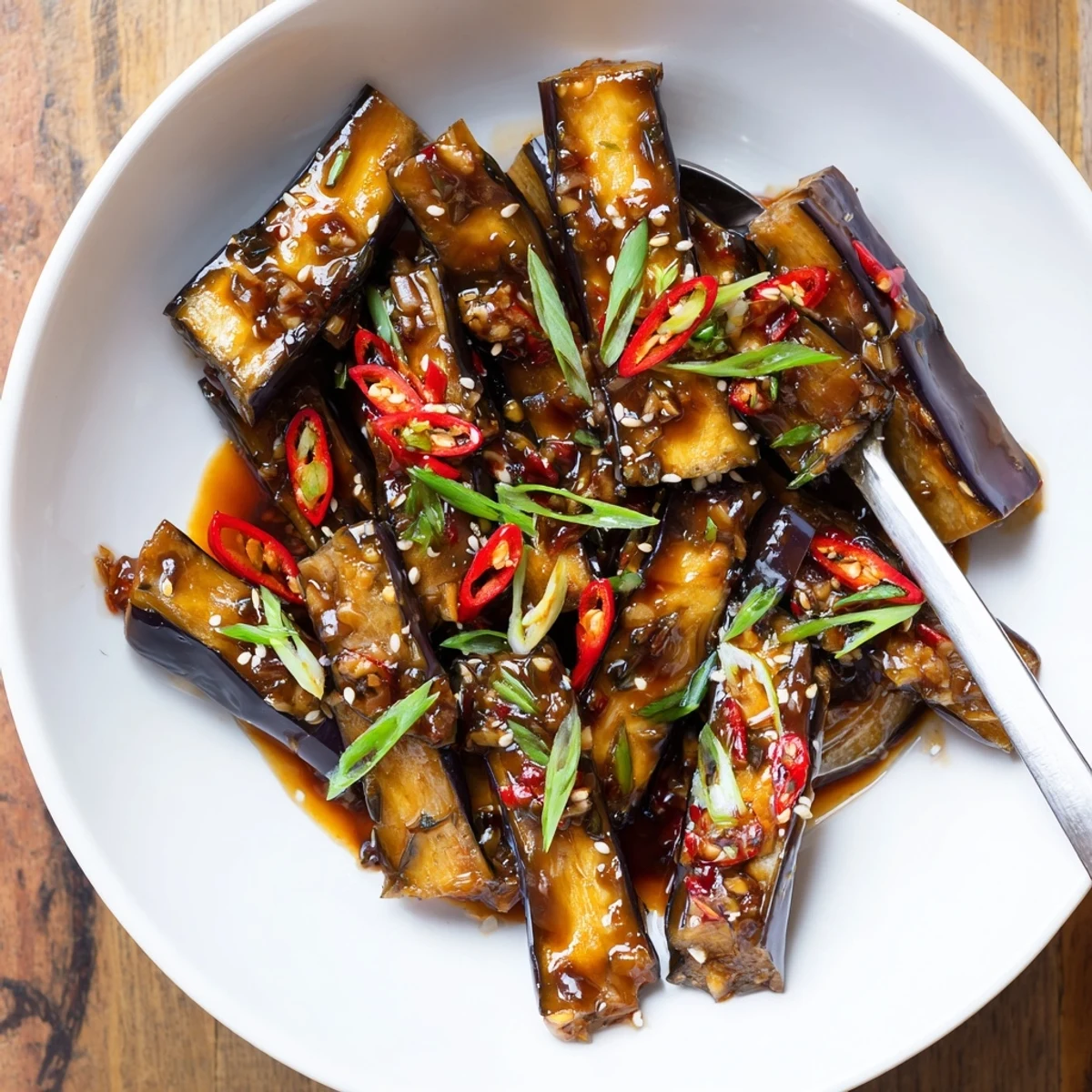
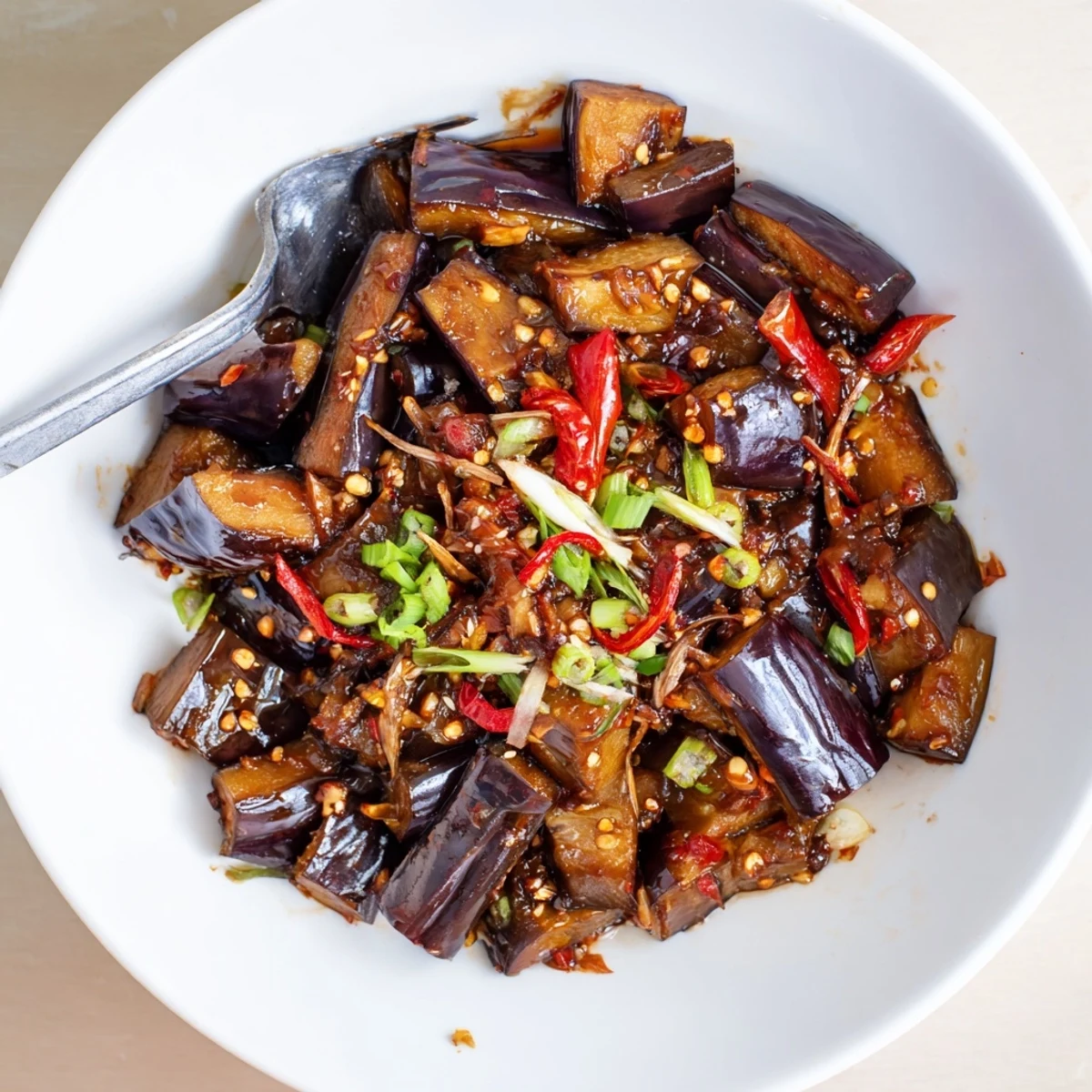
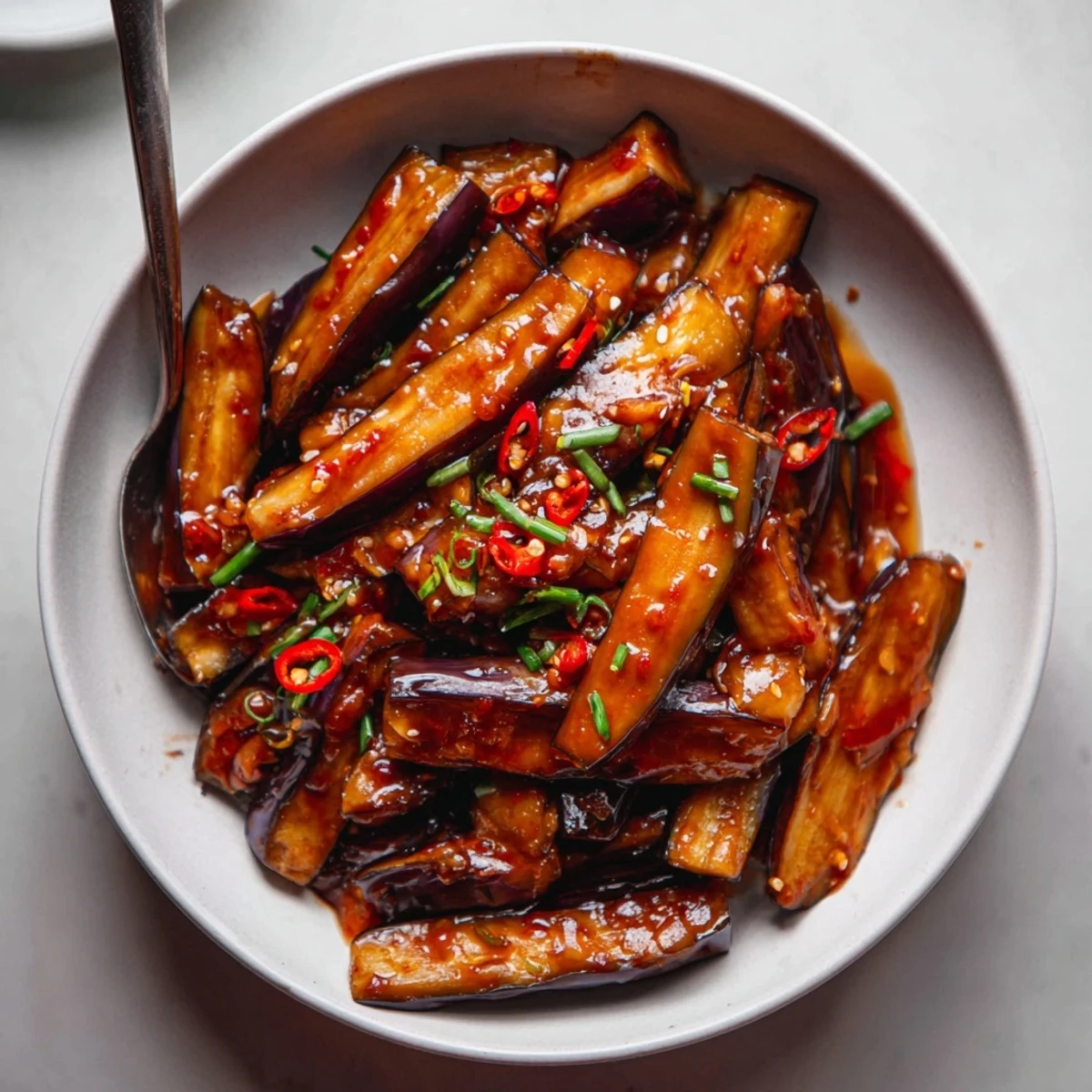
 Salt aubergine batons briefly to draw out moisture, rinse and pat dry. Fry until golden and soft, then stir-fry ginger, garlic and chili. Bloom doubanjiang in the pan, return aubergine and add soy, dark soy, rice vinegar and stock. Simmer until very tender, thicken with a cornstarch slurry, finish with sesame oil and spring onions, and serve with steamed rice or noodles.
The sizzle of aubergine hitting a hot wok still reminds me of late-night kitchen experiments after an exhausting workday. One evening, curious about the fiery depth I had tasted in a Sichuan bistro, I set out to recreate that intensity at home. The aroma of ginger and garlic blossoming in oil felt like an invitation to slow down and enjoy the process. Sichuan Style Braised Aubergines was the triumph of that night, and every bite since transports me right back to the spices swirling through my tiny apartment.
I still laugh at the day I made this for friends on the first rainy Sunday of spring—they never stopped talking about the sauce and insisted I pack leftovers for their lunchboxes. There’s something infinitely cheerful about sharing a dish that’s both comforting and surprisingly zippy, especially when people debate whether the secret was in the chili or the vinegar.
Ingredients
- Aubergines: Choose firm, glossy ones—salting them first is a must for perfect texture.
- Spring onions: These sliced greens bring a fresh crunch at the end; add half now and save the rest for garnish.
- Garlic: Four cloves might seem generous, but trust me, they vanish into pure flavor.
- Ginger: A thumb’s worth makes all the difference—finely chop or even grate for a softer bite.
- Red chili: Optional, but even a small amount gives a lively kick if you want more heat.
- Doubanjiang: This fermented paste is the soul of the sauce; look for a deep red hue with a rich, pungent smell.
- Soy sauce & dark soy sauce: Dark soy gives body and caramel notes; regular gives savoriness—don’t skip either if you have both.
- Rice vinegar: Its sharp tang balances the richness—don’t be tempted to replace with regular vinegar unless you must.
- Sugar: Just a teaspoon brings the sauce together and cuts the heat.
- Vegetable stock: Stock or even water keeps the flavor clean; cubes work in a pinch.
- Vegetable oil: Aubergines drink up oil, so don’t skimp, but drain them to avoid greasiness.
- Sesame oil: A fragrant finish—add just before serving for the fullest aroma.
- Cornstarch: The secret thickener; make sure to stir the slurry right before pouring in.
- Salt: Salting early draws out bitterness and sets the stage for the sauce.
Instructions
- Prep the aubergines:
- Scatter salt over the cut aubergine batons and let them rest for 10 minutes to sweat. Rinse well and pat dry with plenty of paper towels so they fry, not steam.
- Fry until golden:
- Heat 3 tablespoons of oil in your wok until shimmering. Fry the aubergine in batches if needed, turning until every piece is golden and soft, about 6–8 minutes.
- Bloom the aromatics:
- Pour off excess oil, leaving about a tablespoon. Add ginger, garlic, and chili—stir-fry for a minute and soak in that spicy perfume as the wok sizzles.
- Wake up the doubanjiang:
- Spoon in the doubanjiang and stir until the oil goes red and everything smells deeply savory. You might get a bit of savory smoke—this means it’s working.
- Sauce and simmer:
- Slide the aubergine back in, pour in soy sauces, rice vinegar, sugar, and vegetable stock. Stir gently—watch the sauce hug each piece—and turn the heat to low, covering to let it simmer and soften for 8–10 minutes.
- Thicken and finish:
- Mix cornstarch and water into a slurry, then swirl it in, stirring as the sauce goes glossy and thick. Drizzle in sesame oil and sprinkle over spring onions just before serving.
 Pin It
 Serving this to my partner on a chilly night, rice steaming and windows fogged up, we both paused mid-bite. It was one of those rare meals where conversation stopped, replaced by smiles and pointed chopsticks scooping up every last drop of sauce.
Aubergine Texture: Making It Silky
I learned that the key to that elusive, velvety aubergine is generous oil and patience—they need to bathe rather than sear. Don’t be alarmed when the pieces seem to absorb half the oil; that’s where their creamy interior comes from. Let them get fully tender so they collapse slightly and soak up the sauce later.
Doubanjiang Decoded
If you’ve never cooked with doubanjiang, open the jar and inhale—its earthy funk and umami are intense, but it mellows in the pan. The flavor can change a lot depending on the brand, so taste before you use it and adjust quantities if it’s extra spicy. Be ready for oil stains on your spoon—it’s a good sign you got the right one.
Serving and Shortcuts
You can double the sauce and toss it with noodles for a fast weeknight meal, or spoon over brown rice for extra nutty flavor. Leftovers reheat beautifully, and the sauce gets even deeper after a night in the fridge.
- For wow factor, add crushed toasted peanuts or a sprinkle of Sichuan peppercorns.
- No wok? A large cast iron or stainless skillet does the trick if you preheat it well.
- Don’t walk away during the thickening step—a few extra seconds makes silky, clingy sauce.
 Pin It
 This dish has rescued many a languishing aubergine in my fridge and made simple weeknights feel celebratory. Share it generously, and let guests guess your secret ingredient.
Recipe Questions
- → How do I keep aubergine from absorbing too much oil?
-
Salt the cut aubergine for 10 minutes to draw out moisture, rinse and pat dry before frying. Use a hot pan, fry in batches to avoid crowding, or finish in the oven for less oil absorption.
- → What can I use if I don't have doubanjiang?
-
Substitute with a mixture of chili garlic sauce and a spoonful of fermented bean paste or miso to add depth. Expect a different but still savory, spicy profile.
- → How can I control the heat level?
-
Reduce or omit fresh chili, use less doubanjiang, or remove seeds. Add Sichuan peppercorns sparingly for numbing spice rather than pure heat.
- → Is this suitable for a gluten-free diet?
-
Use tamari or coconut aminos in place of soy sauce and check that your doubanjiang is labeled gluten-free. Many chili pastes contain wheat, so read labels carefully.
- → How should I store and reheat leftovers?
-
Refrigerate in an airtight container for up to 3 days. Reheat gently in a skillet over medium heat with a splash of stock or water to revive the sauce and prevent drying.
- → Can I prepare components ahead of time?
-
Yes—salted aubergine can be prepped and refrigerated briefly, and the sauce can be mixed in advance. Fry aubergine just before serving for best texture.