
 Pin It
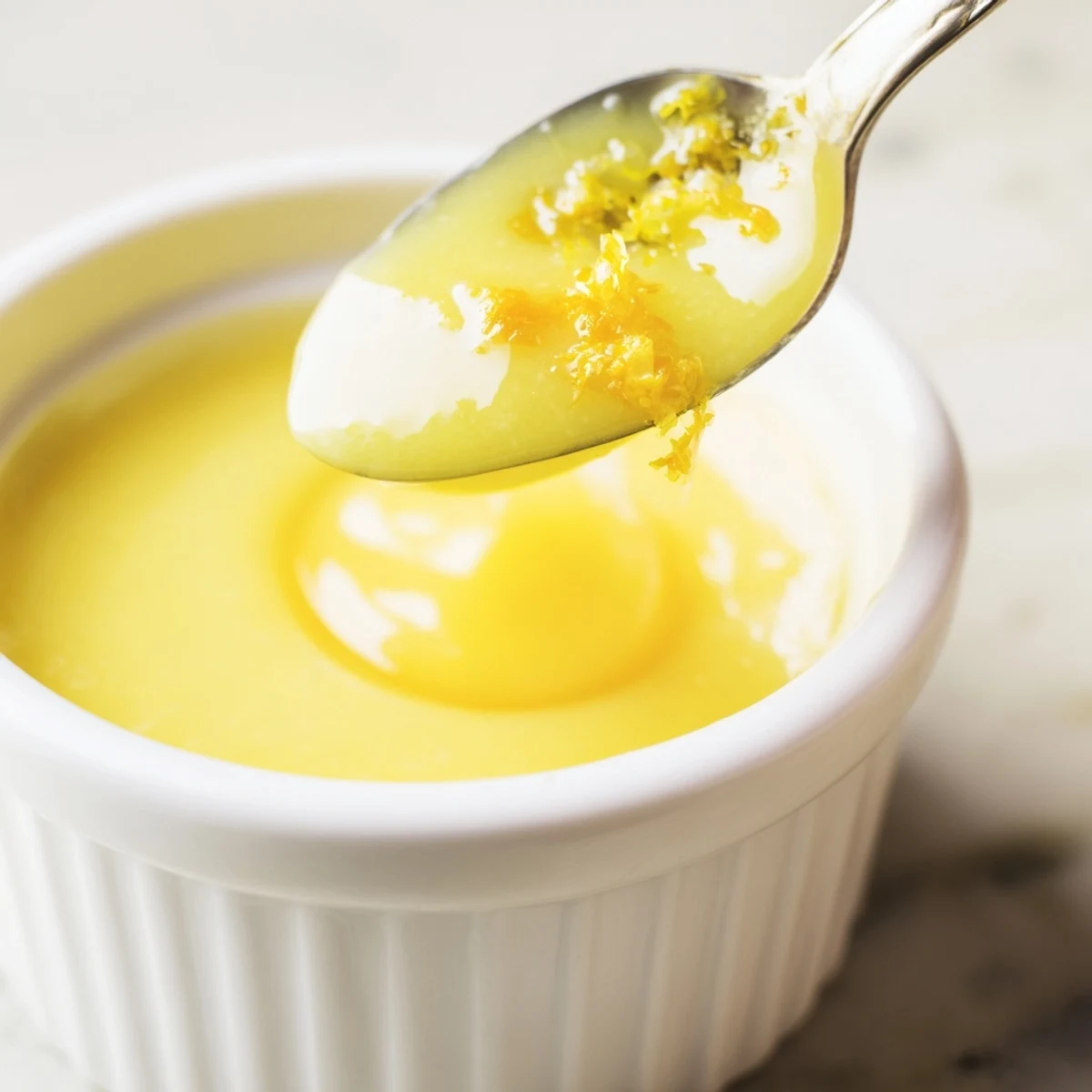
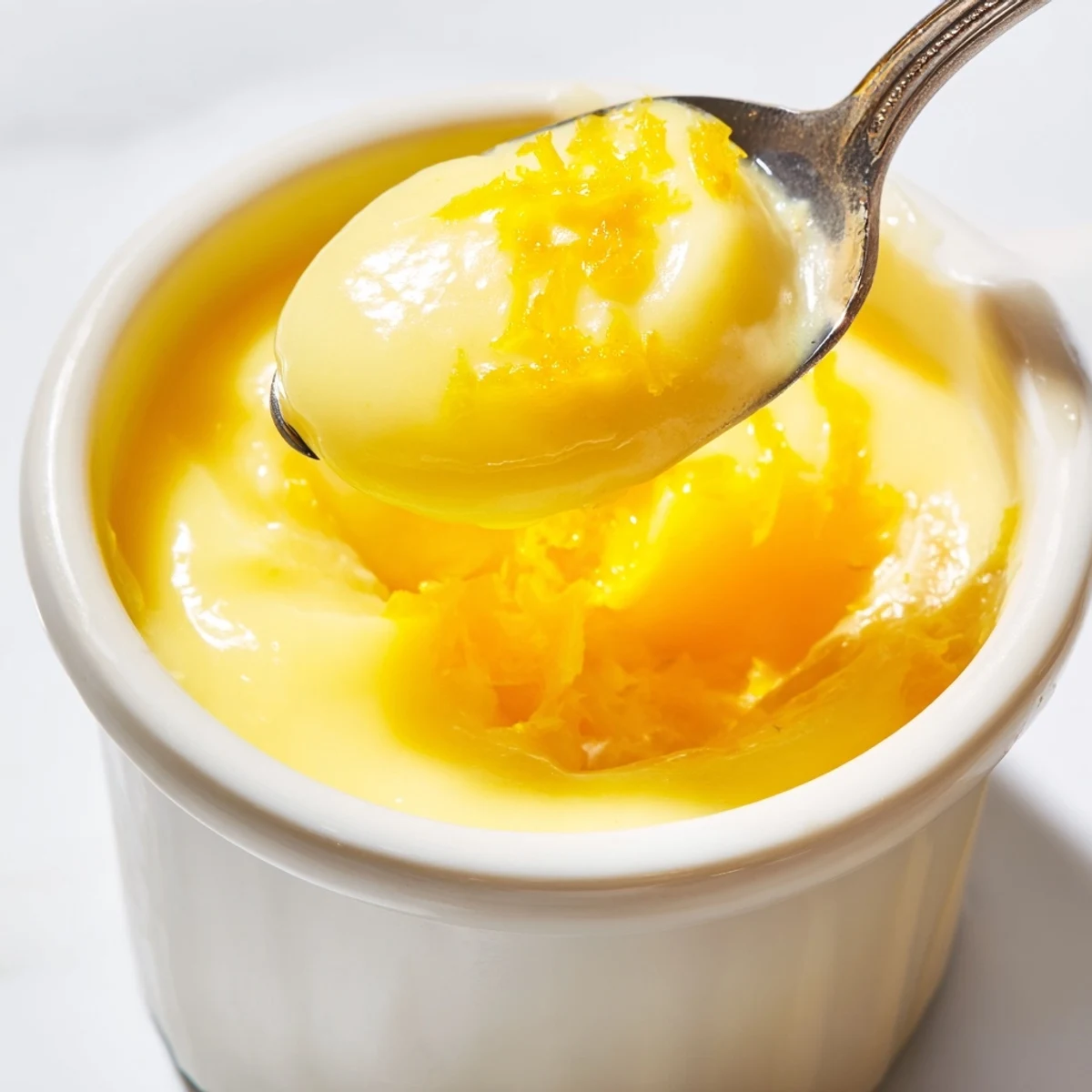
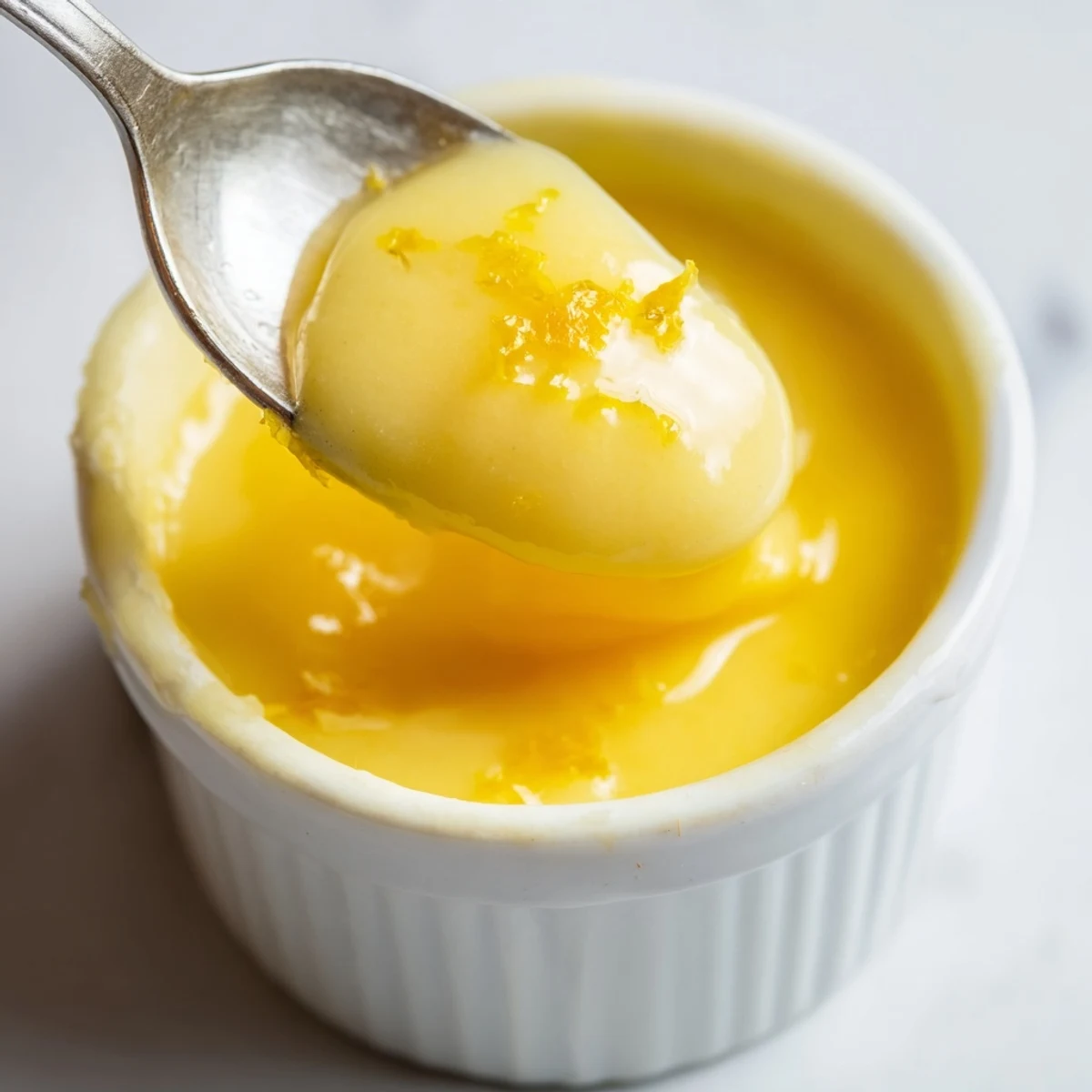
 This lemon curd is gently cooked over a double boiler: whisk eggs and sugar, stir in lemon zest and juice, then whisk until the mixture thickens and coats a spoon (about 8–10 minutes). Remove from heat, whisk in butter for a glossy finish, then strain for extra smoothness. Cool and transfer to sterilized jars; refrigerate up to two weeks. Great as a spread, filling, or stirred into yogurt.
When I first made lemon curd, I was surprised by how the scent of fresh lemon could lift the entire kitchen, especially on a gray morning. The process is a lively mix of quick whisking and anticipation as the curd thickens before your eyes. There&aposs something satisfying about watching everyday ingredients transform into a glossy, golden spread. Whether you spoon it over warm scones or sneak it by the spoonful straight from the jar, it never fails to brighten up the mood.
I remember making this for brunch once when my cousin was visiting&mdasha spontaneous decision that led to laughter as we assembled impromptu tartlets from whatever we found in the pantry. We ended up hovering around the counter, sneaking tastes, debating if one batch would actually last until dessert. It was the smallest moments, like scraping out the last bit from the bowl, that made this lemon curd a shared favorite.
Ingredients
- 4 large eggs: Fresh eggs are the backbone&mdashpatience while whisking ensures a silky texture without any hint of scramble.
- 4 tablespoons unsalted butter, cubed: Butter stirred in at the end gives the curd its dreamy smoothness and a mellow finish.
- 3 large lemons (zest and juice; about 1 tablespoon zest, 120 ml juice): Choosing unwaxed, ripe lemons deepens the color and aroma&mdashzest first to keep things easy.
- 200 g (1 cup) granulated sugar: The right balance of sweetness tames the tartness and helps the curd set up glossy and thick.
Instructions
- Prep the eggs and sugar:
- Crack the eggs into a heatproof bowl and add the sugar; whisk together briskly until everything looks light and uniform.
- Add lemon:
- Stir in the lemon zest and fresh juice, feeling the zingy fragrance rise as you mix.
- Set up your double boiler:
- Place the bowl over a saucepan filled with gently simmering water&mdashmake sure the bowl doesn&apost actually touch the water.
- Whisk and cook:
- Whisk the mixture steadily, watching as it thickens and starts to coat the back of your spoon after about 8 to 10 minutes.
- Butter for the finish:
- Remove the bowl from the heat and work in the butter cubes, whisking until the curd becomes glossy and totally smooth.
- Strain and store:
- Pass the curd through a fine-mesh sieve into a clean bowl to catch any zest or curdled egg; let cool, then transfer to sterilized jars for the fridge.
 Pin It
 There was a day I made lemon curd and ended up using it as a hasty cake filling for a last-minute birthday surprise; seeing everyone dive in with smiles made the rushed effort worthwhile. That fleeting aroma of lemon and the bright, buttery taste turned the cake into something truly celebratory.
Making It Your Own
I&aposve tried this recipe with Meyer lemons for a floral twist, and even limes when lemons were scarce&mdashboth work beautifully. The curd adapts effortlessly to what you have, and adding a hint of vanilla or a pinch of salt can add another layer of flavor. Once, a friend stirred in a spoonful of passion fruit pulp, and it became the star of brunch.
Serving & Pairing Ideas
Freshly made lemon curd spread on crisp toast is a treat, but it also shines as a dip for shortbread, or layered between sponge cake. One winter afternoon, I found it irresistible swirled into Greek yogurt with a sprinkle of granola. Hot tea&mdashespecially Earl Grey&mdashpairs perfectly to balance the citrusy punch.
Troubleshooting the Classic Lemon Curd
If you spot tiny bits of egg, no panic&mdashstraining solves almost any mishap. A silicone spatula is your best friend for scraping every last bit from the bowl, and cooking low and slow always yields a dreamy texture. For a firmer curd, use slightly less juice or a touch more butter at the finish.
- Always zest before you juice the lemons.
- Let your curd cool before sealing in jars.
- Check the jars for condensation before storing to avoid runny curd.
 Pin It
 Lemon curd never fails to bring a bit of cheer, whether you use it in a fancy dessert or just sneak spoonfuls when nobody&aposs looking. Even if it never lasts long in the fridge, it always feels worth making again.
Recipe Questions
- → How do I know when the curd is done?
-
Whisk continuously until the mixture thickens and coats the back of a spoon. Run your finger across the spoon; if the line holds, it's ready — typically 8–10 minutes over a gentle simmer.
- → Can I use plant-based butter instead?
-
Yes. Use a firm, neutral-flavored plant-based butter and add it off heat just like dairy butter to achieve a smooth, glossy finish and similar texture.
- → Why strain the curd?
-
Straining removes any cooked egg bits and excess zest, yielding an extra-smooth texture ideal for fillings or silky spreads.
- → How should I store it and how long does it keep?
-
Cool completely, transfer to sterilized jars, and refrigerate. Properly stored, it will keep for up to two weeks. Use clean utensils to avoid contamination.
- → Can I use other citrus instead of lemons?
-
Yes. Replace with equal parts orange, lime, or a combination for different flavor profiles; adjust sugar slightly to balance acidity.
- → What can affect the thickness of the curd?
-
Heat that's too high can overcook eggs and cause separation; too low and it may not thicken. Consistent whisking and gentle, even heat are key to achieving the right set.