
 Pin It
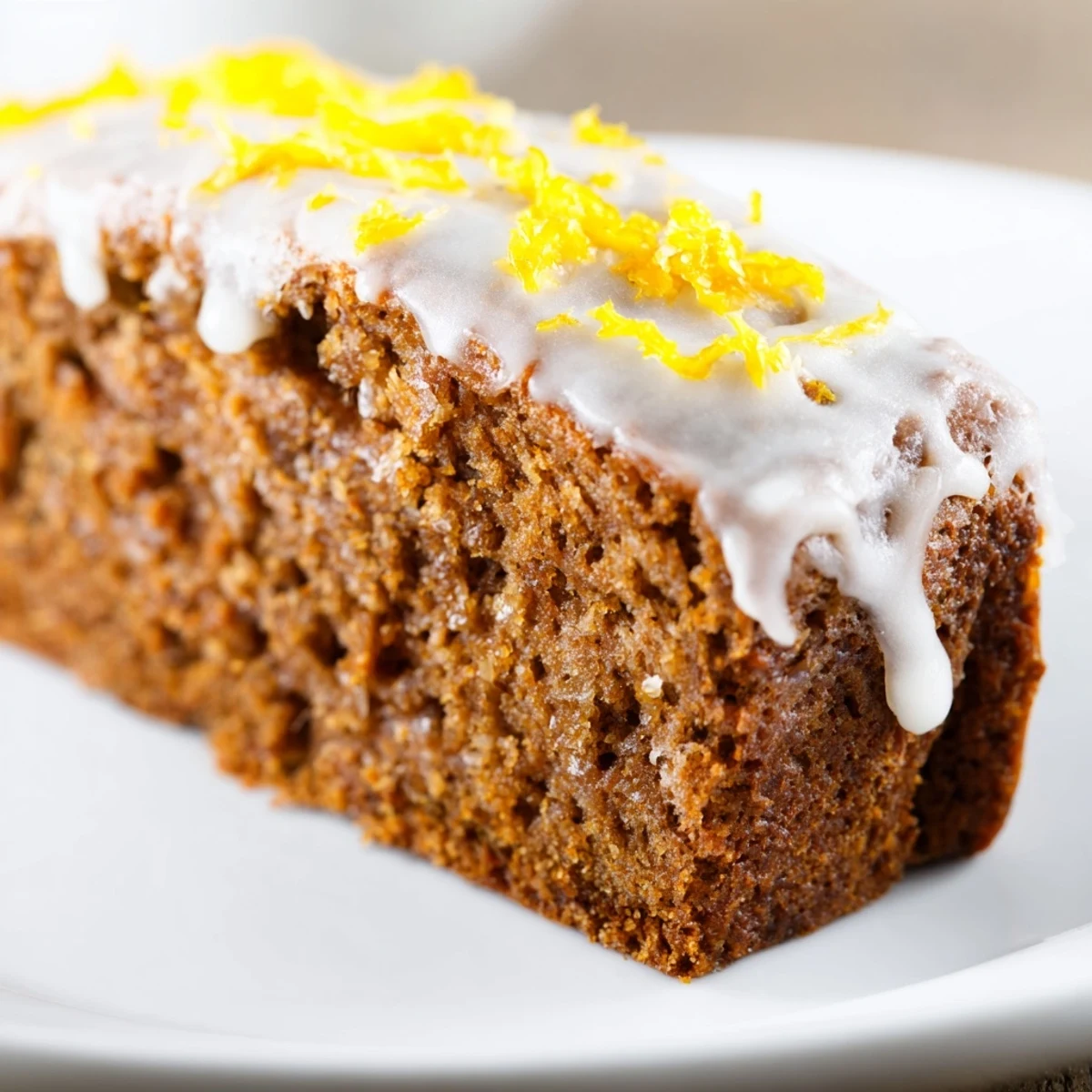
 This moist gingerbread loaf combines warm spices like ginger, cinnamon, cloves, and nutmeg with a rich molasses base, creating a deep, comforting flavor. A smooth orange icing, made with powdered sugar, fresh orange juice, and zest, balances the loaf with a bright, zesty touch. Baked to golden perfection, it's great for sharing during winter celebrations or teatime. The texture is tender and fluffy with just the right sweetness, and the aromatic spices enhance the festive feel.
Preparation involves mixing dry spices and flour, creaming butter and sugar, then carefully incorporating wet ingredients before baking. The final drizzle of citrus glaze adds a refreshing finish. This loaf pairs excellently with black tea or mulled wine, and can be customized with crystallized ginger or whole wheat flour for extra flavor depth.
There's something about the smell of ginger and molasses that stops me mid-December every year—it pulls me right back to my grandmother's kitchen, where she'd hum while assembling this loaf with the kind of casual confidence that only comes from making something a hundred times. I finally got her to let me watch closely one afternoon, and what struck me wasn't the technique, but how she'd taste the batter and then add a pinch more cinnamon just because it felt right. Now when I make it, I do exactly that.
I learned to make this properly when my partner's family came over for a quiet winter weekend, and I wanted something homemade but foolproof enough that I wouldn't stress myself into a bad mood. This loaf earned me actual compliments—the kind where people asked for the recipe—and suddenly it became the thing I bring to every gathering from October through December.
Ingredients
- All-purpose flour (1½ cups): The foundation—make sure it's fresh and not packed down when you measure.
- Baking soda (1 tsp): Your chemical leavening agent that needs the acidity from molasses to really do its job.
- Salt (¼ tsp): Don't skip this; it amplifies all the spice flavors without making anything taste salty.
- Ground ginger, cinnamon, cloves, nutmeg (1½ tsp, 1 tsp, ¼ tsp, ¼ tsp): Buy these whole if you can and grind them fresh—the difference is honestly profound.
- Unsalted butter (½ cup, softened): Softened means it creams properly with the sugar, which creates air pockets that keep the loaf tender.
- Brown sugar (½ cup, packed): The molasses in brown sugar adds depth, so don't swap it for white sugar here.
- Eggs (2 large): Room temperature eggs blend more smoothly and create better texture in the crumb.
- Molasses (½ cup): This is where the soul of the recipe lives—use unsulphured if you can find it for a cleaner taste.
- Milk (½ cup): Brings moisture and balances the heaviness of the molasses and spice.
- Vanilla extract (1 tsp): A small amount that rounds out the flavor without announcing itself.
- Powdered sugar (1 cup, sifted): Sifting matters because lumps won't dissolve smoothly in the juice.
- Fresh orange juice (2–3 tbsp): Fresh is non-negotiable—bottled juice tastes thin and flat by comparison.
- Orange zest (1 tsp, finely grated): The zest is where all the brightness comes from, so grate it carefully right before using.
Instructions
- Prep your pan and heat:
- Set your oven to 350°F and line a 9x5 inch loaf pan with parchment paper—this prevents sticking and makes cleanup honest work. A hot oven ensures the loaf rises evenly from the moment the batter hits the heat.
- Combine your dry ingredients:
- Whisk flour, baking soda, salt, and all your spices together in a medium bowl. This even distribution means every bite tastes balanced rather than spice-heavy in one spot and flat in another.
- Cream butter and sugar:
- Beat them together until they're pale and fluffy—this takes about 3 minutes with an electric mixer and is worth the time because it incorporates air that makes the loaf tender. You should be able to see the color change, which is your signal it's ready.
- Add eggs one at a time:
- Beat each egg in completely before adding the next one, so they emulsify properly and won't make the batter curdle. This step feels slow but it matters.
- Stir in wet flavors:
- Add molasses, milk, and vanilla, stirring until the mixture is smooth and dark. The molasses might look like it's not mixing, but keep going—it does.
- Fold in dry ingredients gently:
- Add the flour mixture gradually while mixing on low speed, stopping as soon as you don't see white streaks anymore. Overmixing develops gluten and makes the loaf tough and dense instead of tender.
- Bake with patience:
- Pour into your pan, smooth the top, and bake for 45–55 minutes until a toothpick comes out clean. The exact time depends on your oven, so start checking at 45 minutes—better to catch it a minute early than to overbake.
- Cool properly before icing:
- Let it rest in the pan for 10 minutes so it firms up enough to move, then turn it out onto a wire rack to cool completely. This prevents the icing from melting into rivers.
- Make your icing:
- Whisk powdered sugar with fresh orange juice and zest until you reach a pourable consistency. Add juice a tablespoon at a time until it flows like honey but still coats the back of a spoon.
- Finish with the glaze:
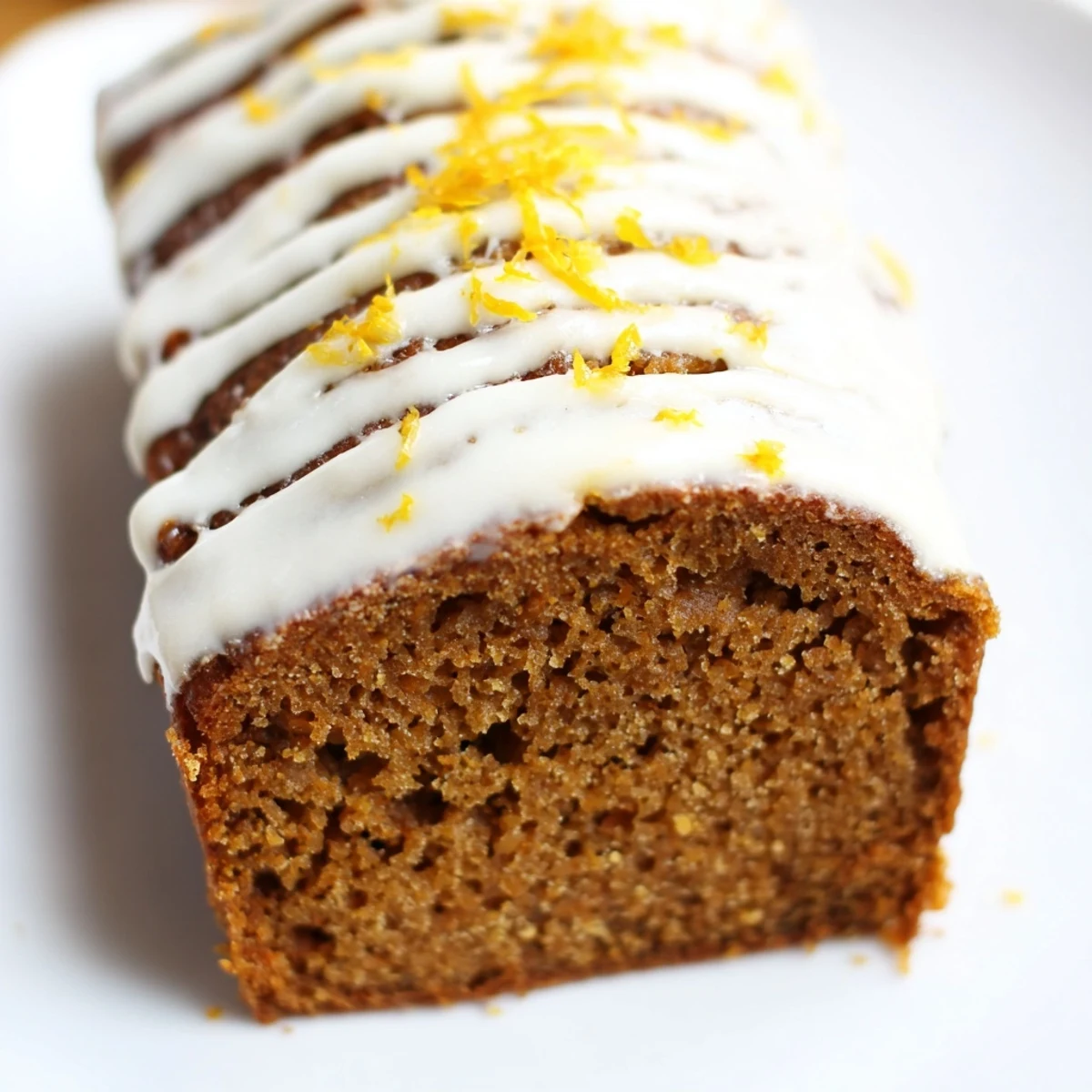
- Drizzle the icing over the cooled loaf in thin lines and let it set for 15 minutes before slicing. This gives the sugar time to firm up so it doesn't smear when you cut.
 Pin It
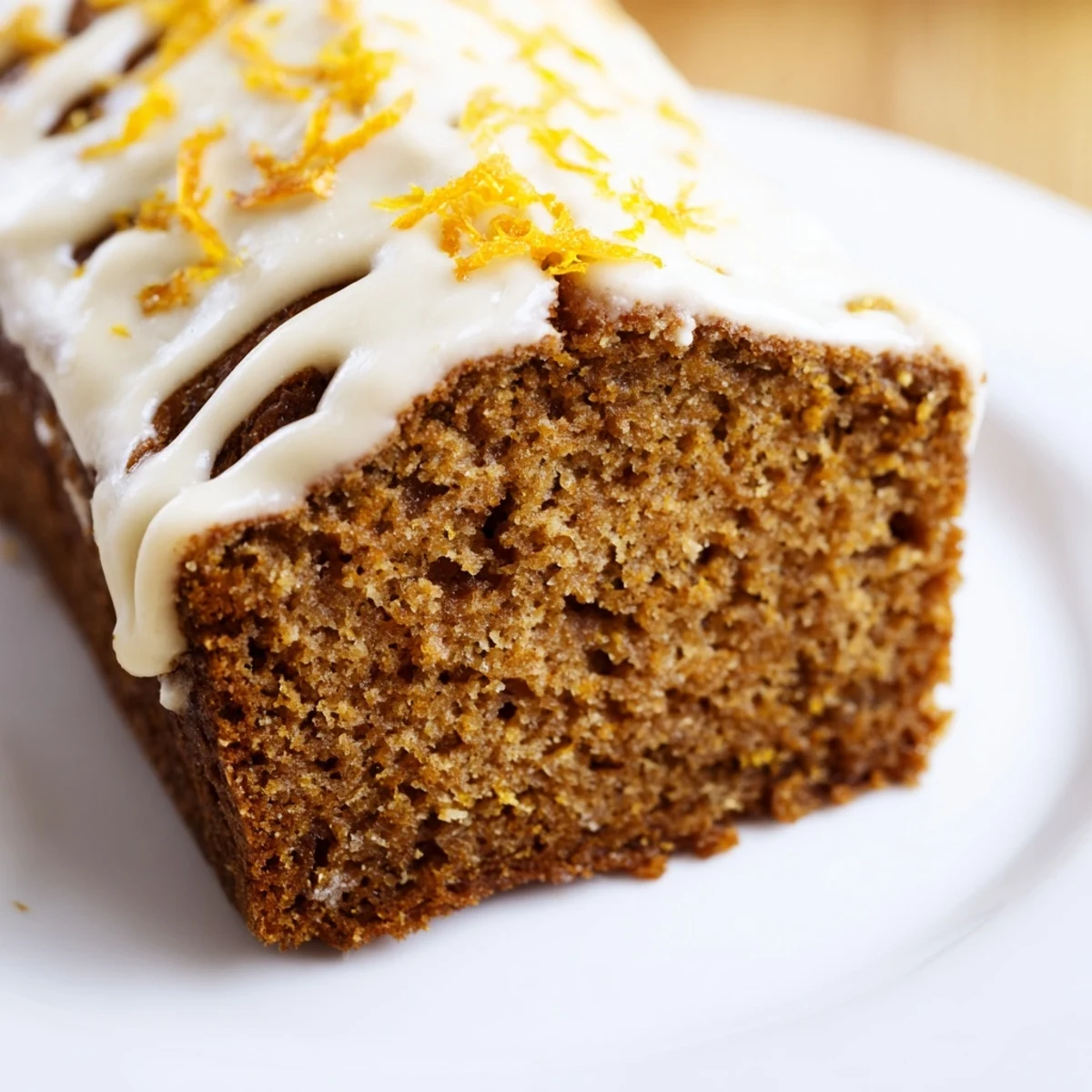
 I'll never forget the moment my neighbor—who doesn't usually eat sweets—came back inside after borrowing our zester and asked if I'd taught my kids to bake. They'd apparently been standing at the kitchen window watching the icing drip down the sides, and she'd joined them there. Food becomes memory like that sometimes, when you're not even trying.
Why the Orange Icing Changes Everything
By itself, the gingerbread can feel heavy and one-note—lovely in its own way, but predictable. The orange icing is the moment it wakes up. The citrus cuts through the molasses richness and adds a brightness that feels almost festive, like you've taken a traditional winter flavor and given it permission to be a little bit playful. It's the difference between a good loaf and one people ask you to make again.
Storage and Keeping
This loaf actually improves over the first couple of days as the flavors marry and the crumb stays tender. Wrap it tightly in plastic wrap after the icing sets, and it keeps beautifully on the counter for three days or in the freezer for a month. I've learned that thawing it at room temperature takes about four hours, and it tastes like you just made it—no drying out, no staleness.
Variations and Personal Touches
The recipe as written is solid, but it's also a good canvas for your own instincts. Some years I add crystallized ginger for extra punch, other times I swap half the all-purpose flour for whole wheat to add earthiness. I've even made it with cardamom instead of cloves when I was in a different mood, and it sang in a completely different way.
- A tablespoon of finely chopped crystallized ginger stirred into the batter adds a sharp sweetness that cuts through the molasses.
- Whole wheat flour works beautifully for half the all-purpose flour if you want more texture and a nuttier flavor underneath the spice.
- If citrus allergies are a concern, the loaf alone is wonderful—drizzle it with a simple vanilla glaze or leave it unglazed and let the gingerbread speak for itself.
 Pin It
 This gingerbread loaf has become my anchor recipe for winter—the one I turn to when I want my kitchen to smell like comfort and someone I love is about to walk through the door. Make it once and it'll probably become one of yours too.
Recipe Questions
- → What spices are used in the gingerbread loaf?
-
The loaf features ground ginger, cinnamon, cloves, and nutmeg, which together create its warm, spiced flavor.
- → How is the orange icing made?
-
The icing combines powdered sugar, fresh orange juice, and finely grated orange zest whisked until smooth and pourable.
- → Can I add extra texture to the loaf?
-
Yes, adding a tablespoon of finely chopped crystallized ginger to the batter introduces a pleasant zing and texture.
- → How long should the loaf be baked?
-
Bake the loaf at 350°F (175°C) for 45–55 minutes until a toothpick inserted in the center comes out clean.
- → What can I serve this loaf with?
-
This spiced loaf pairs wonderfully with black tea or mulled wine, enhancing cozy winter gatherings.
- → Are there any common allergens in this loaf?
-
It contains wheat (gluten), eggs, and dairy from butter and milk. The orange icing may affect those with citrus allergies.