
 Pin It
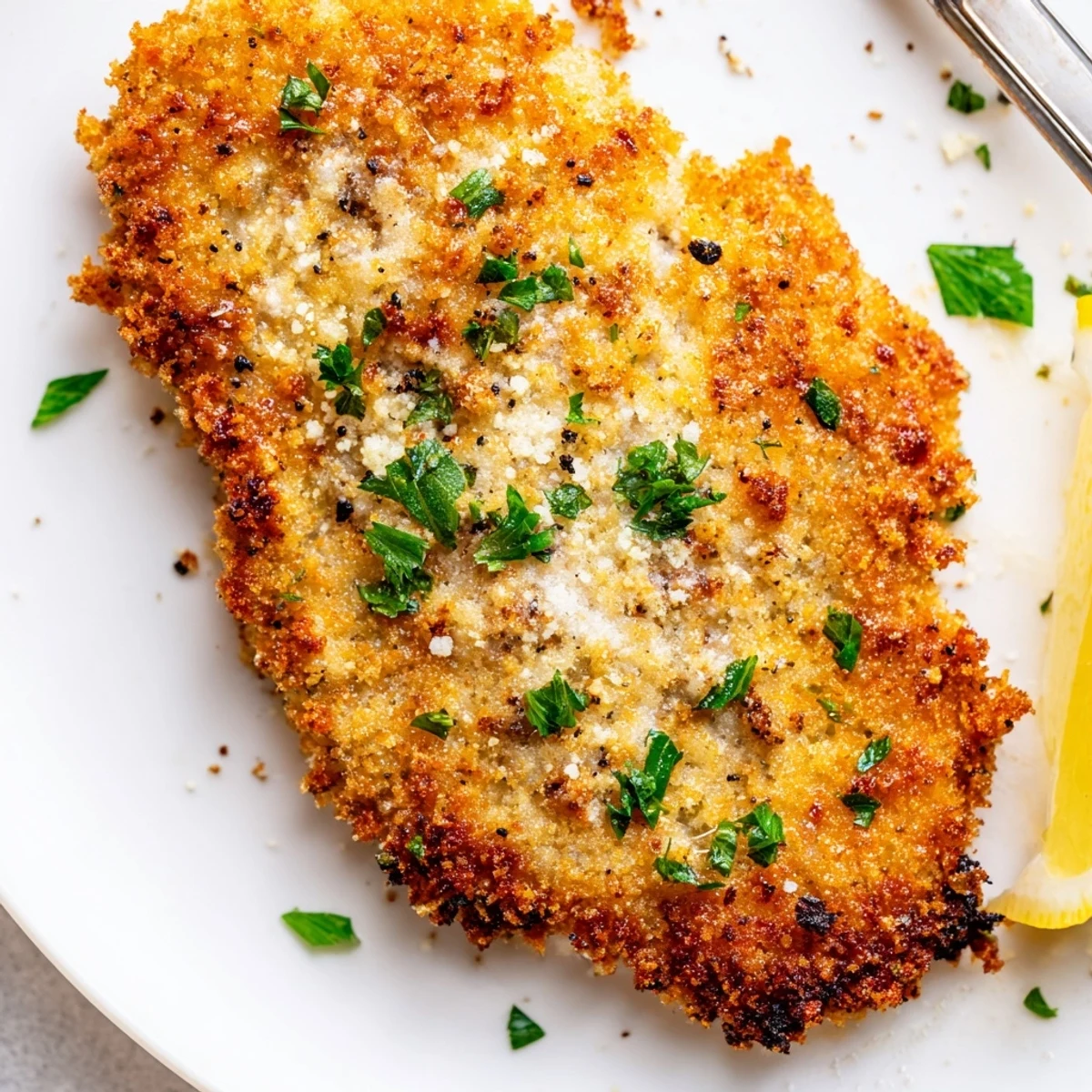
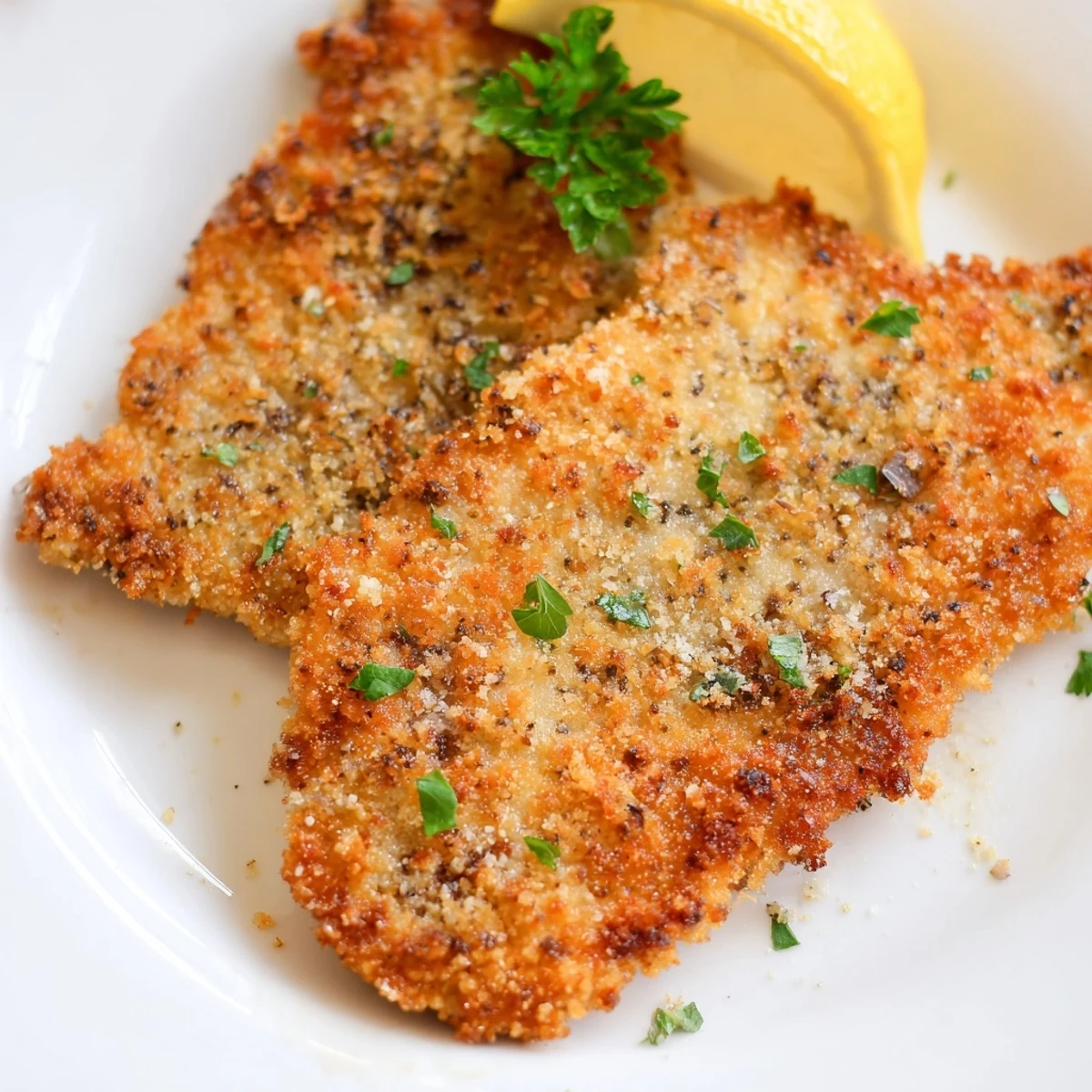
 Thin beef escalopes are gently pounded to about 0.5 cm, seasoned, then dredged in flour, dipped in an egg-and-milk wash and pressed into a panko-Parmesan mixture to build a crunchy crust. Cook in a mix of oil and butter over medium-high heat for 2–3 minutes per side until golden. Drain briefly, garnish with lemon and parsley, and serve immediately with a light salad or roasted vegetables.
The first time I cooked beef escalope Milanese, the satisfying sizzle of the frying pan instantly transported me to a lively Italian kitchen, even though I was just in my small city apartment. Leaning close, the buttery aroma mingling with sharp Parmesan set my mouth watering as crunchy breadcrumbs browned before my eyes. What I didn't expect was how simply pressing the coating made such a difference in the final crispiness. Moments like that remind me that small details turn the ordinary extraordinary.
I once made these escalopes for a rainy weeknight dinner where conversation drifted from memories of Italian vacations to silly kitchen mishaps as we each layered tangy lemon and fresh parsley over our plates. There might have been a brief contest over who got the crispiest corner piece, but everyone left the table smiling.
Ingredients
- Beef escalopes: Tenderizing them by gently pounding makes for quick, even cooking and a delicate bite—use plastic wrap to avoid mess!
- All-purpose flour: Creates a perfect base for the egg to stick; I always season it for better flavor in every bite.
- Large eggs: Beating them with a splash of milk ensures the coating glues beautifully to the meat.
- Milk: Loosens the egg wash; any milk works, but the richer the milk, the silkier the coating.
- Panko breadcrumbs: These crisp up more than traditional breadcrumbs and make a world of difference.
- Grated Parmesan cheese: Sneaks in a savory, nutty punch that turns the crust irresistible.
- Salt and black pepper: Don't skip seasoning the layers—it lifts every other flavor.
- Vegetable oil: Gives a neutral base for frying without overpowering the taste of the beef or cheese.
- Unsalted butter: Adds golden color and rich flavor as the escalopes fry.
- Lemon wedges: A quick squeeze brightens everything; slice extras for the table.
- Fresh parsley, chopped: Sprinkled over just before serving, it adds freshness and a pop of color.
Instructions
- Pound the beef:
- Lay the escalopes between two sheets of plastic wrap and gently pound them to 0.5 cm thickness—listen for that gentle tap and stop before they tear.
- Set up the breading station:
- Get three shallow bowls ready: one for flour with salt and pepper, one for beaten eggs and milk, and one for panko mixed with Parmesan.
- Dredge and coat:
- Dip each escalope into the flour, dust off the excess, bathe in egg, then press firmly into the breadcrumb mix for a thick, even layer.
- Heat the pan:
- Warm oil and butter together in a large frying pan—listen for a faint sizzle and watch for butter foam before adding any meat.
- Fry to golden perfection:
- Lay in a few escalopes at a time, sizzling each side 2–3 minutes until golden and outrageously crisp; don't overcrowd the pan, or they steam instead of crisping up.
- Drain and keep warm:
- Transfer to paper towels so excess oil soaks away, then keep warm so every bite stays crunchy.
- Serve and garnish:
- Scatter parsley and give everyone a lemon wedge—dig in immediately for ultimate crunch.
 Pin It
 This dish really became tradition for me the evening my friend surprised me with fresh artisan bread simply to mop up the crispy bits left behind—turns out, the Milanese meant as much for the crumbs as the cutlets.
How to Choose the Best Beef
Look for escalopes that are even in size and just enough fat to stay moist but not chewy. If you can't find pre-cut pieces, ask the butcher to slice and tenderize them for you.
Breaded but Not Messy
After years of splattered flour, I've learned to always keep one hand dry when breading, so you keep your coating neat and hands free from doughy buildup.
Serving Ideas and Quick Fixes
If your breadcrumbs brown too fast but the beef isn't done, lower the heat slightly—resist turning too soon to avoid breaking the crust.
- Add a pinch of smoked paprika for a twist.
- Leftovers make awesome sandwiches the next day.
- Keep extra lemon at the table—everyone wants seconds on the citrus.
 Pin It
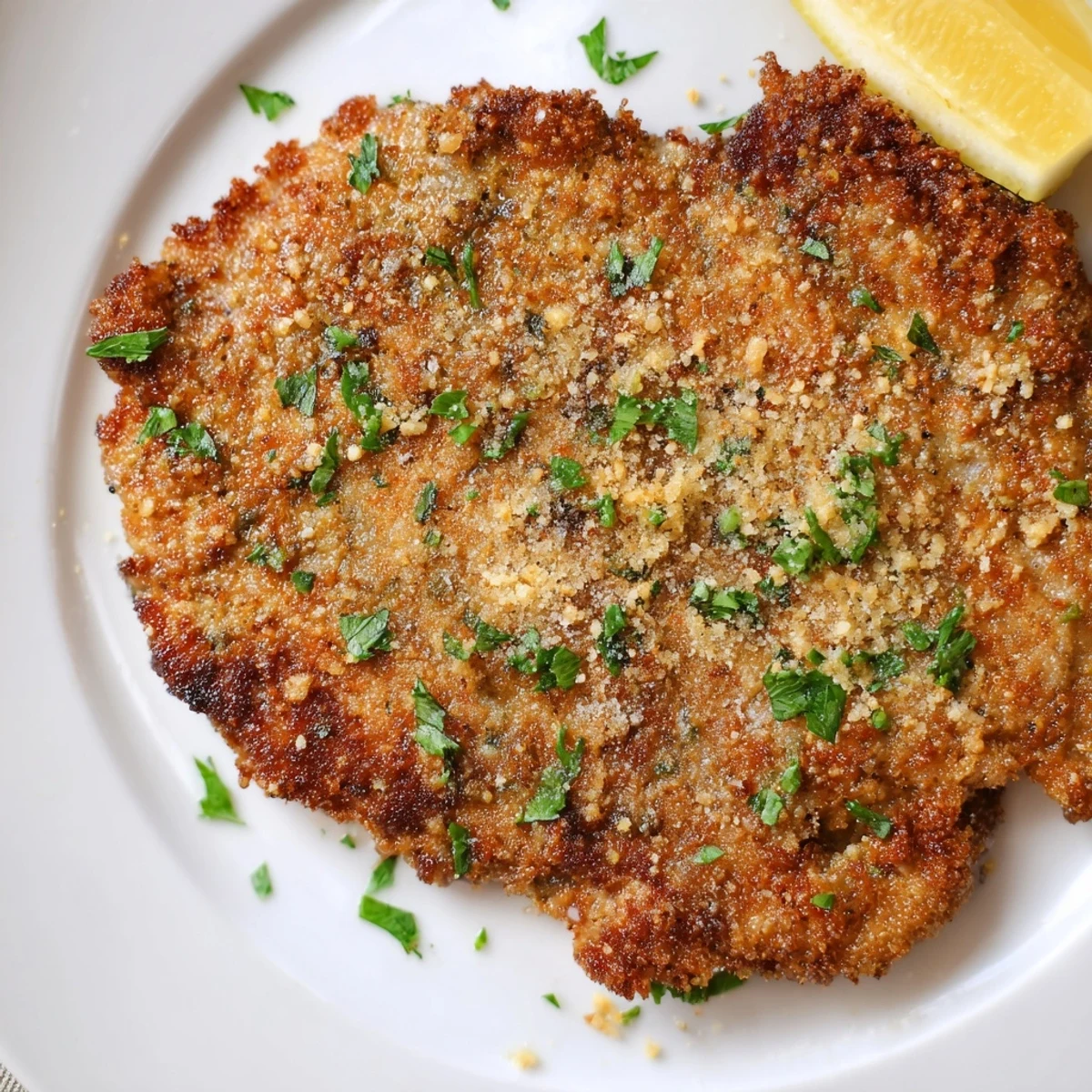
 Nothing brings everyone to the kitchen faster than the promise of something sizzling and golden on a plate. I hope you get to share these crispy cutlets with people you love soon.
Recipe Questions
- → How thin should the escalopes be pounded?
-
Pound the beef to about 0.5 cm thickness so it cooks quickly and stays tender. Use a meat mallet or rolling pin between plastic sheets for even thickness.
- → How can I make the coating extra crispy?
-
Use dry panko, press the breadcrumbs firmly to adhere, and consider a double-coat for extra crunch. Fry in sufficiently hot oil and avoid overcrowding the pan so the crust browns evenly.
- → What fat is best for frying?
-
A combination of vegetable oil and butter gives a high smoke point and rich flavor. Keep the pan at medium-high so the crust crisps without burning the butter.
- → Can I substitute the beef with other proteins?
-
Yes—veal or chicken work well. Adjust cooking time: chicken breasts may need slightly longer, while thin veal cooks similarly to beef.
- → How do I keep pieces warm without losing crunch?
-
Place cooked escalopes on a wire rack in a single layer in a warm oven (about 90–100°C/200°F). This keeps them warm while preventing steam from softening the crust.
- → What's the best way to reheat leftovers?
-
Reheat in a 180°C (350°F) oven or in a skillet over medium heat to restore crispness. Avoid the microwave, which will make the coating soggy.