
 Pin It
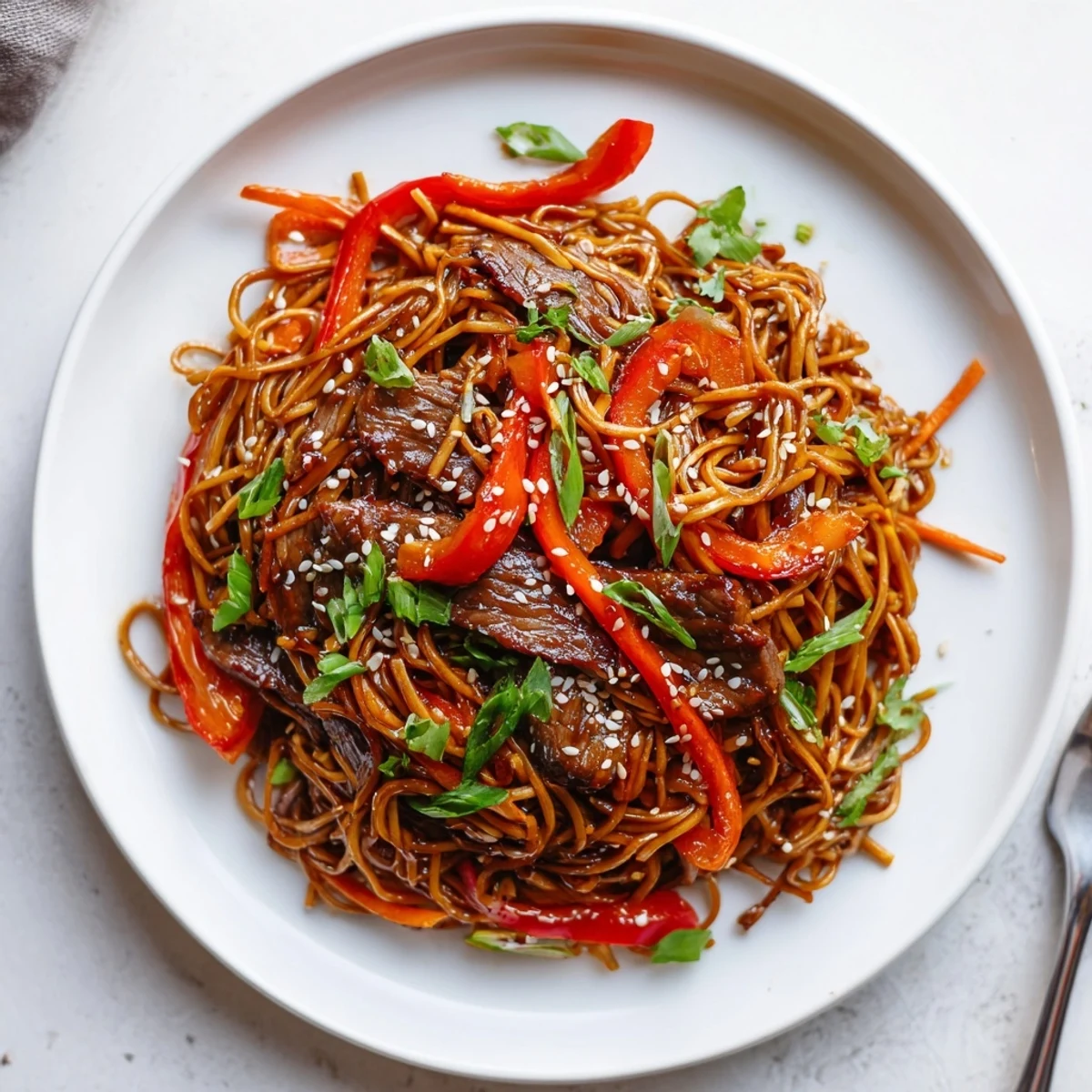
 Marinate thinly sliced beef briefly with soy, cornstarch and sesame oil, then sear over high heat so it stays tender. Stir-fry garlic, grated ginger and crisp veg until just softened, add a hoisin-dark soy-oyster sauce sweetened with honey, then toss in cooked egg noodles. Combine beef and noodles in the wok until glossy and well coated; finish with toasted sesame and fresh herbs for a quick, comforting weeknight dish. Swap proteins or noodles to suit dietary needs and reheat gently.
There was a night when the rain hammered on my kitchen window and I needed dinner to chase away the chill. I ended up improvising with beef, the last of my noodles, and whatever I had lurking in the fridge. The aroma that came from the sizzling pan had the whole apartment thinking something extraordinary was happening in that little kitchen. Sticky Beef Noodles now bring me right back to that accidental triumph whenever I crave comfort and a bit of fun at the stove.
Once, I made these noodles for a friend who claimed she “wasn’t a noodle person” – she finished her bowl, then eyed the pan for seconds. That night these noodles won a convert and started a tradition between us, usually accompanied by a cold drink and plenty of laughter. It’s easy, but the way the sticky sauce clings to each bite never feels ordinary. That’s the memory that always bubbles up when my spatula hits the pan.
Ingredients
- Beef sirloin or flank steak: Slicing it thinly across the grain is the secret to those tender strips—pop it in the freezer for 10 minutes first to make slicing easier.
- Soy sauce: Both marinade and sauce hero—if you use low sodium, taste before adding extra salt at the end.
- Cornstarch: It gives the beef its silky, takeout-style coating, and thickens the sauce just enough.
- Sesame oil: A little goes a long way, but its nutty aroma sets the tone of the dish from the start.
- Freshly ground black pepper: Fresh grinding brings out surprising depth compared to pre-ground pepper.
- Egg noodles: Choose fresh if you can for signature chew; otherwise, dried works beautifully too—just avoid overcooking.
- Red bell pepper & carrot: These keep things colorful and crunchy, and if you’re out, snap peas or snow peas slip in seamlessly.
- Spring onions: These get even sweeter with a quick flash in the pan; don’t skip the green parts.
- Garlic & ginger: These base notes wake everything up; grating the ginger makes it practically melt into the sauce.
- Hoisin, dark soy, and oyster sauce: Sweet, savory, and full of umami—mixing these was a revelation and the backbone of the stickiness.
- Honey: Just a touch brings balance to all the bold flavors—taste and adjust to your liking.
- Toasted sesame seeds & fresh coriander: These finish the dish with a little crunch and a hint of green freshness—don’t rush this last flourish.
Instructions
- Marinate the beef:
- Mix your thinly sliced beef with soy sauce, cornstarch, sesame oil, and freshly ground black pepper in a bowl—use your hands for the most even coating, and let it sit while you prep other ingredients.
- Prepare the noodles:
- Cook the noodles according to their packet directions and drain just as they go al dente; I let them steam dry in the colander for a few moments so they soak up sauce later.
- Mix the sticky sauce:
- In a small bowl, whisk together hoisin, dark soy, oyster sauce, honey, and water until glossy and smooth—you should smell the sweetness and umami rolling together.
- Stir-fry the beef:
- Heat a wok on high, swirl in some oil, and cook the marinated beef fast and hot—watch for browned edges but don’t overdo it—then scoop it out before it can dry.
- Sauté the vegetables:
- If needed, add more oil, then toss in garlic and ginger for 30 seconds until fragrant, followed by peppers, carrots, and spring onions; stir-fry just until the colors pop and veggies are crisp-tender.
- Combine beef and sauce:
- Return the beef to the pan and pour over your sticky sauce—toss everything to coat, letting the sauce bubble and thicken around the meat and veggies.
- Add noodles and finish:
- Throw in the drained noodles, turning and flipping so everything glistens and tangles together, cooking just until the noodles are hot and glossy.
- Garnish and serve:
- Scatter sesame seeds and herbs on top, and get bowls ready—these noodles demand to be eaten straight from the pan.
 Pin It
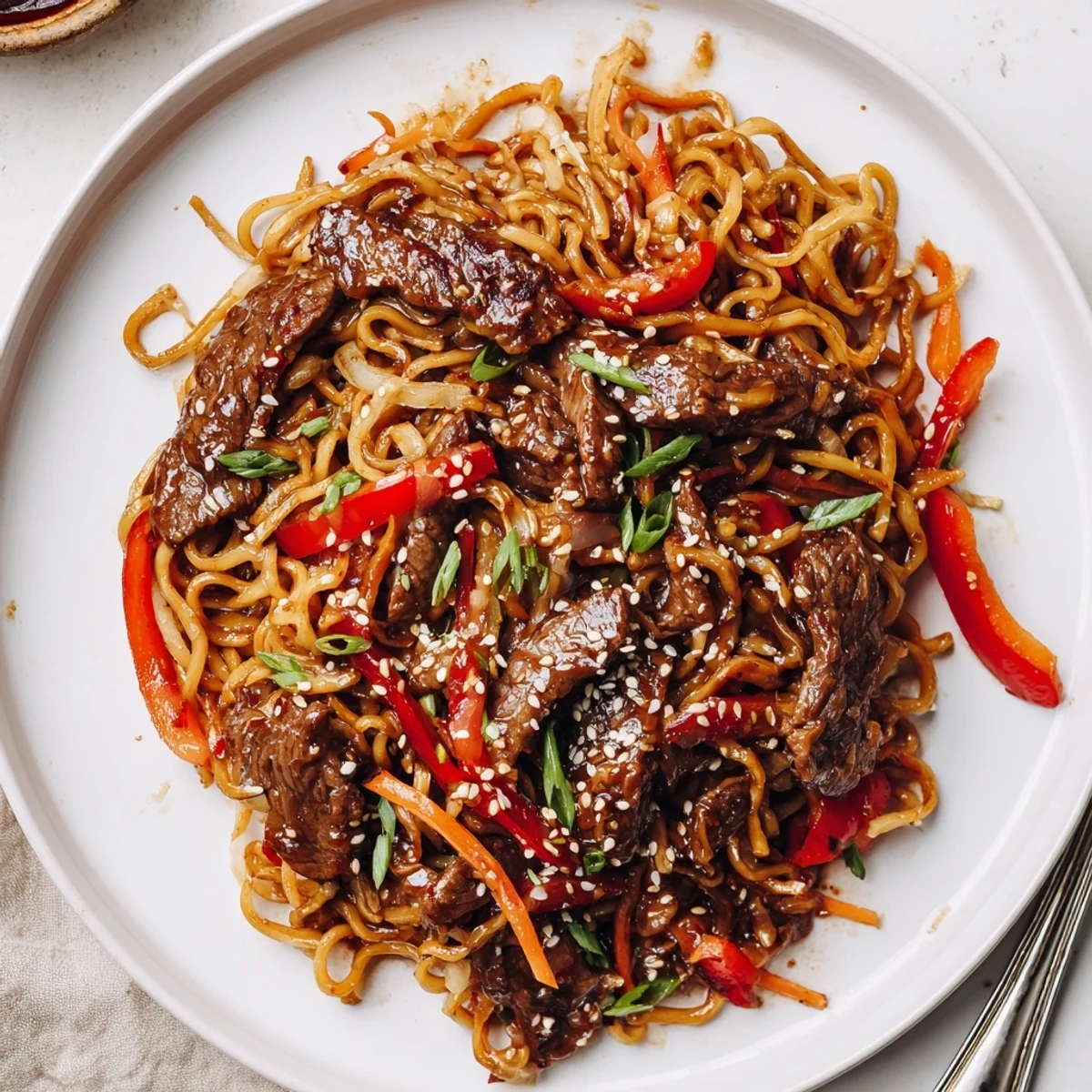
 Last summer, these noodles were the star at an impromptu backyard dinner when the grill ran out of gas; everyone crowded into my kitchen, cheering as I tossed noodles so high I nearly lost a few to the floor. Watching people sneak seconds right from the pan is now how I know the meal’s a success. It turned into a celebration, fueled by the comforting stickiness and the sounds of happy slurping. That memory always makes me smile on busy evenings when I throw this together just for myself.
How To Improvise With What You Have
Some of my favorite batches happened when I traded out veggies or swapped beef for tofu—this recipe forgives almost anything. Rice noodles work just as well, especially if I’m out of egg noodles or need gluten-free. A little extra ginger once made it extra zingy, and no one complained. The sauce is versatile and can rescue whatever odds and ends happen to be left in your fridge.
When To Add The Noodles For Maximum Stickiness
Timing is everything—the sauce should be bubbling and just thickened before you toss in the noodles, or they’ll go soggy instead of glossy. I always have tongs ready to turn the noodles quickly in the sauce for the best, most even coating. Waiting until the last moment to combine everything stops the noodles from clumping or getting mushy. Trust your eyes and nose—when it looks sticky and smells irresistible, it’s ready.
Small Tricks That Make A Big Difference
Marinating the beef ahead—even for just 10 minutes—changes everything by keeping it juicy and letting flavors sink in. Don't forget to pre-measure your sauces so they hit the wok all at once and don't burn. Letting the veggies keep a slight crunch adds contrast to the chewy noodles and soft beef.
- Add chili flakes right at the end for a hint of heat if you like things spicy.
- Toss extra herbs on top just before serving—the freshness makes each bite pop.
- Don’t forget to scrape the wok and get every last bit of sauce clinging to your noodles.
 Pin It
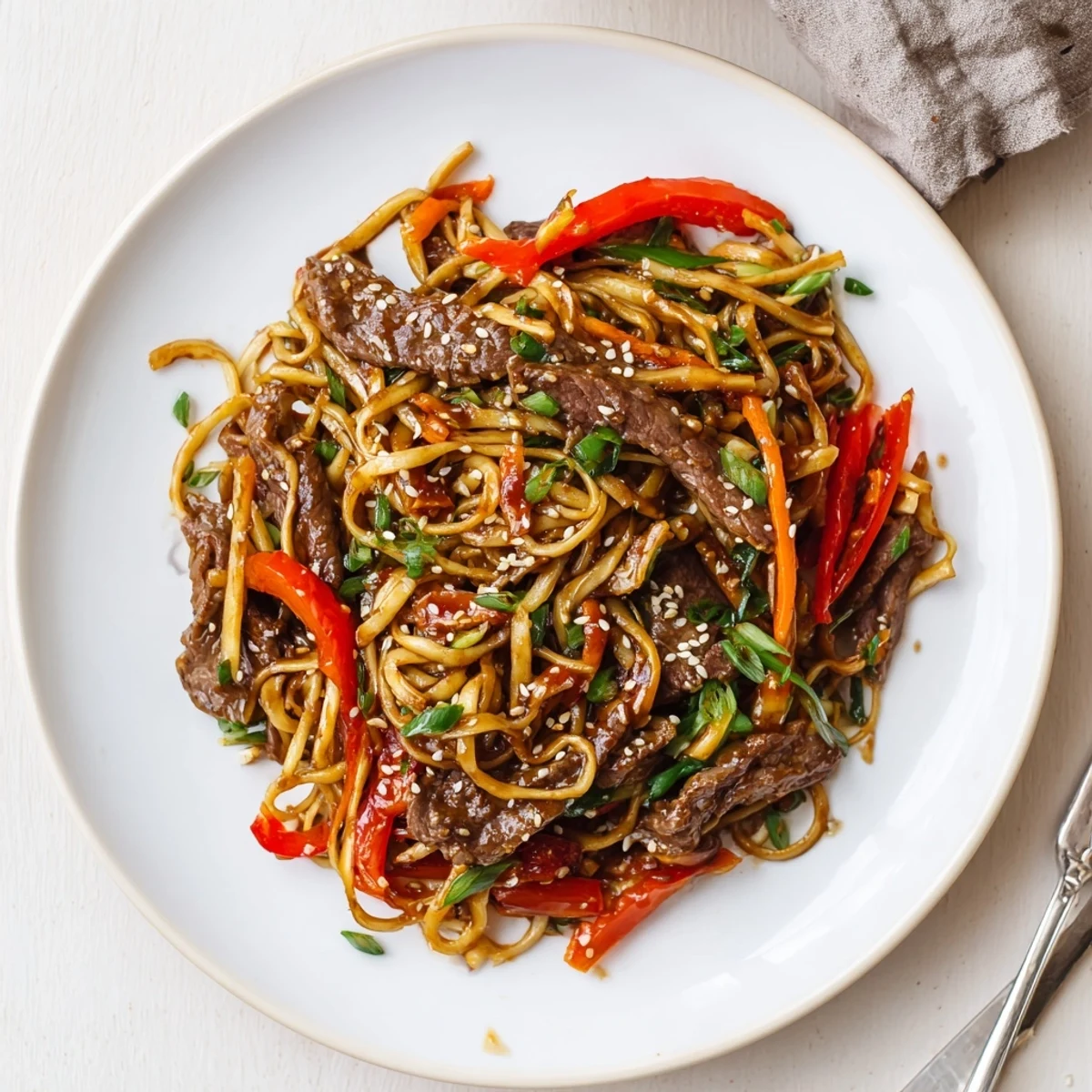
 There’s something about the sizzle of this dish and the stories it inspires around the table. Here’s to quick dinners that feel just a little bit special, every single time.
Recipe Questions
- → How long should the beef marinate?
-
Ten minutes of marinating with soy, cornstarch and sesame oil is enough to season and slightly tenderize thin slices; longer won’t harm but keep it brief for texture.
- → Which noodles work best?
-
Fresh egg noodles give a chewy bite and pick up sauce nicely; dried egg noodles, or rice noodles for a gluten-free option, also work if cooked to al dente.
- → Can I substitute the sauces in the glaze?
-
Yes — hoisin lends sweetness and depth, dark soy adds color and salt while oyster gives umami. Use tamari and a touch of maple for a shellfish-free or gluten-free swap.
- → How do I prevent the noodles from clumping?
-
Rinse cooked noodles briefly under warm water for some types, toss with a splash of oil, and add them to a very hot pan so they separate and pick up the sauce quickly.
- → What’s the best way to finish for extra gloss?
-
Finish tossing the noodles and beef over high heat for 1–2 minutes so the sauce reduces slightly; a small knob of butter or a drizzle of sesame oil at the end adds shine.
- → How should leftovers be stored and reheated?
-
Cool quickly, refrigerate in an airtight container for up to 2 days. Reheat gently in a hot pan with a splash of water or stock to loosen the sauce and revive the noodles.