
 Pin It
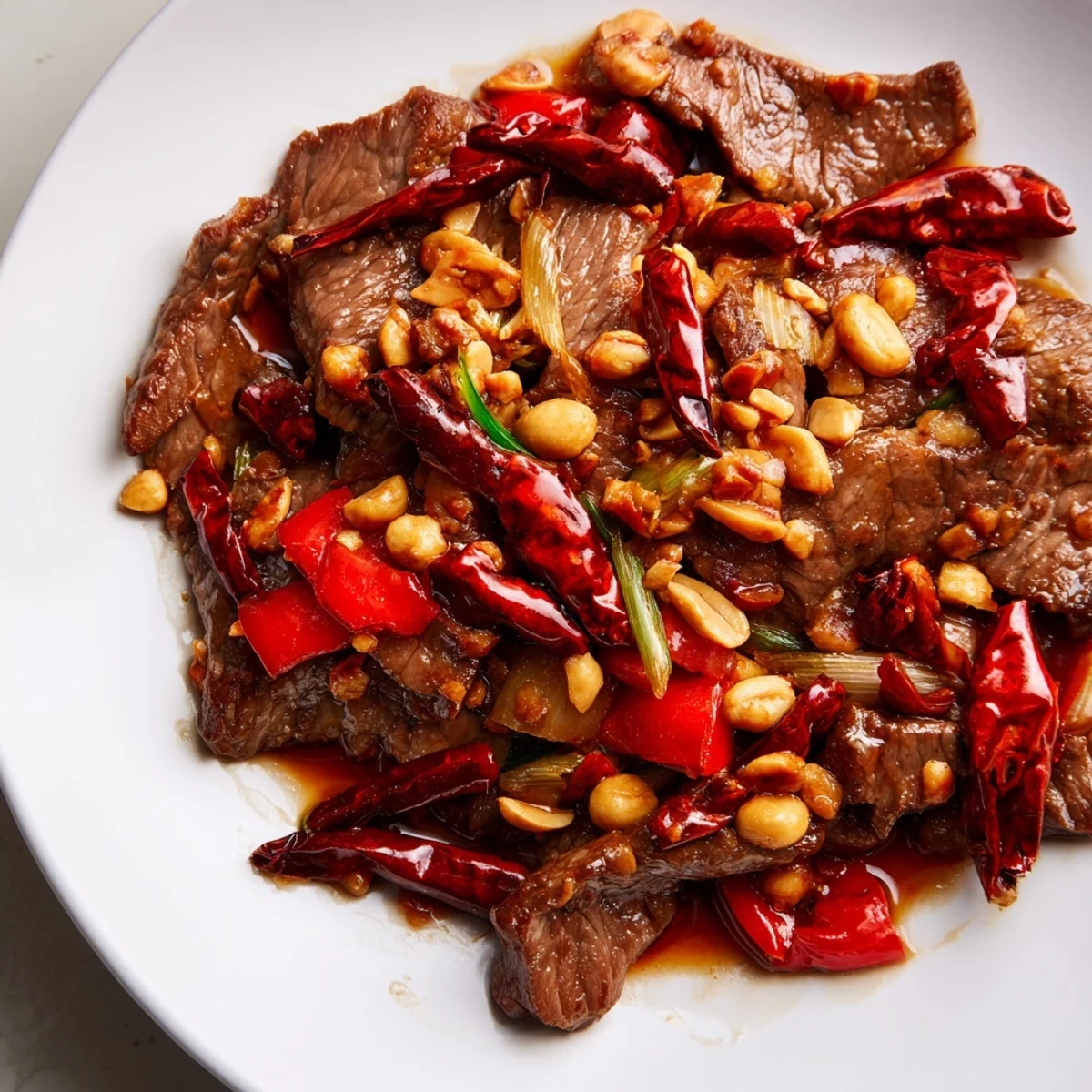
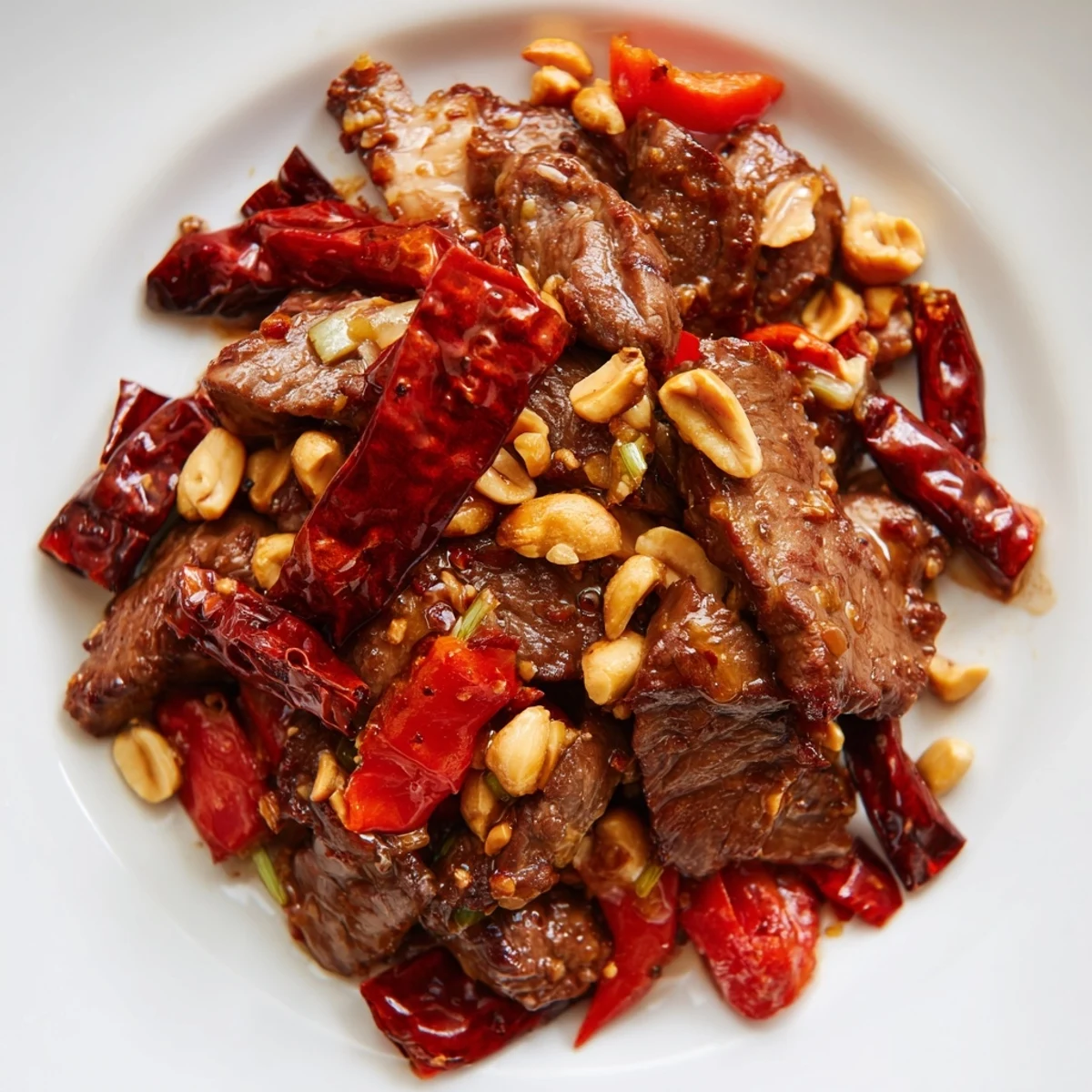
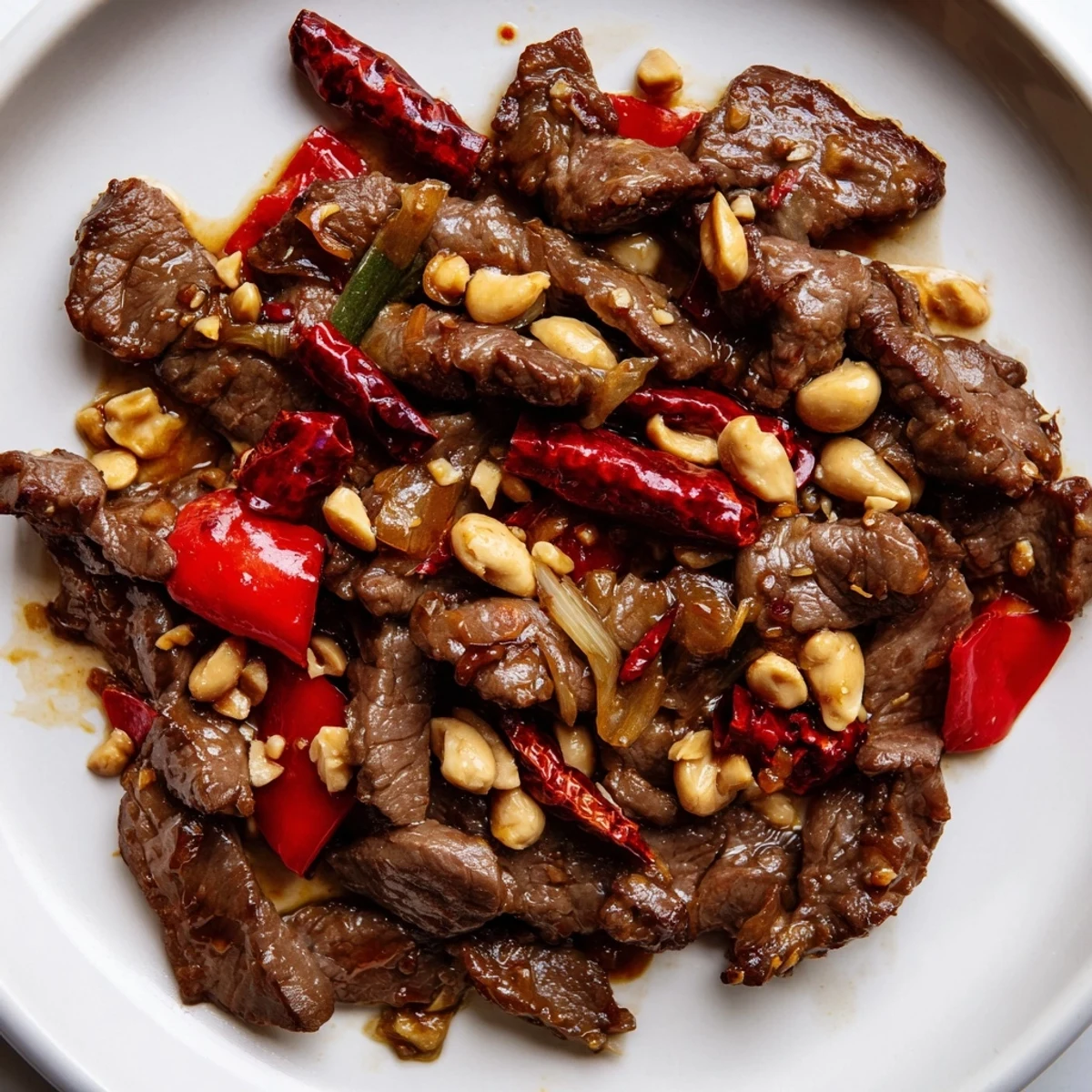
 This bold stir-fry highlights tender, thinly sliced beef marinated in soy sauce and Shaoxing wine, cooked quickly with aromatic garlic, ginger, and scallions. Dried chili peppers and Szechuan peppercorns provide a fragrant, fiery heat. Crunchy roasted peanuts add texture and nutty contrast. The balanced sauce combines soy, vinegar, hoisin, and toasted sesame oil, creating a glossy coating that ties every ingredient together for an exciting, mouth-tingling dish best served hot with steamed rice.
The first time I really understood Szechuan cooking was at a small restaurant tucked away on a narrow street, watching the chef's wok dance over open flames, beef sizzling and peanuts tumbling through a cloud of chili-fragrant steam. That tingling sensation on my tongue—that numbing, electric heat from the Szechuan peppercorns—became an obsession I couldn't shake. I spent weeks trying to recreate that moment in my own kitchen, tweaking ratios and learning when to add the chilies so they'd perfume the oil without burning it bitter. Now this dish lives permanently in my rotation, a bridge between that magical first taste and the comfort of cooking something I actually understand.
I remember making this for friends who claimed they didn't like spicy food, watching their faces transform as they took that first bite and discovered they'd been wrong their whole lives. One friend went back for thirds and asked for the recipe before dessert was even served. That's when I knew this wasn't just a recipe I liked—it was something worth perfecting and sharing.
Ingredients
- Flank steak, thinly sliced against the grain: Cutting against the grain matters more than you'd think—it's the difference between tender bites and chewy disappointment, and slicing it thin means it'll cook in just a couple minutes.
- Soy sauce: Use it in both the marinade and sauce because it builds layers of savory depth that a single hit of soy just can't achieve.
- Shaoxing wine: This is the secret ingredient that makes the beef taste authentically restaurant-style; if you can't find it, dry sherry works but adds slightly more sweetness.
- Cornstarch: A tiny amount tenderizes the beef and helps it develop that silky coating when the sauce hits the wok.
- Szechuan peppercorns: These aren't actually peppery—they create a numbing, almost floral sensation that defines the whole dish, so don't skip them or substitute with black pepper.
- Dried Szechuan chilies: Whole chilies release their fragrance slowly into the oil, building heat gradually instead of all at once; start with fewer than the recipe calls for if you're unsure of your heat tolerance.
- Fresh ginger and garlic: These form the aromatic foundation that makes the dish smell incredible and taste alive rather than flat.
- Bell pepper and onion: They soften slightly but stay just crunchy enough to contrast with the tender beef, adding natural sweetness that balances the heat.
- Chinkiang vinegar: This black vinegar is deep and slightly funky in the best way; regular rice vinegar works but tastes lighter and less complex.
- Hoisin sauce: Just a tablespoon adds umami and subtle sweetness without taking over, creating a sauce that tastes like more than the sum of its parts.
- Sesame oil: Toast it yourself or buy it toasted, and add it only at the very end so its nutty fragrance doesn't cook away.
- Peanuts: Rough-chop them so some pieces are chunky and others are almost powder, giving you varied crunch and flavor intensity in each bite.
Instructions
- Coat your beef in marinade:
- Toss the sliced beef with soy sauce, Shaoxing wine, cornstarch, and black pepper, then let it sit for 15 minutes so the marinade can penetrate and tenderize. Don't skip this step even if you're in a rush—those 15 minutes transform the texture.
- Mix your sauce in advance:
- Whisk together all the sauce ingredients in a small bowl while the beef marinates, so you're not scrambling when the wok gets hot and everything moves fast.
- Sear the beef until just browned:
- Heat one tablespoon of oil until it's barely smoking, add the beef in a single layer, and let it sit for 1-2 minutes before stirring—this creates a golden crust that won't happen if you move it around too much. Cook for another 1-2 minutes until just browned on the outside but still barely pink inside, then remove to a plate.
- Infuse the oil with spices:
- In the same wok, add the second tablespoon of oil and drop in the whole Szechuan chilies and peppercorns, stirring constantly for exactly 30 seconds so the spices release their fragrance without burning and turning bitter. You'll know it's ready when the kitchen smells incredible and you can't resist what comes next.
- Build your vegetable layer:
- Add garlic, ginger, onion, and bell pepper all at once, stirring constantly for 2-3 minutes until they soften slightly but still have some snap. The kitchen will smell absolutely electric at this point—that's your signal that everything is working.
- Reunite beef and sauce:
- Return the beef to the wok, pour in your prepared sauce, and toss everything for about 30 seconds until it's all coated and glossy. Watch how the sauce clings to every piece of beef and vegetable, creating a beautiful lacquer.
- Finish with fresh elements:
- Add scallions and peanuts, then toss for 1 more minute over heat—the scallions will release their fresh aroma and the peanuts will warm through without losing their crunch. Serve immediately while everything is still hot and the sauce is glossy.
 Pin It
 What struck me most about mastering this dish was realizing that every element—the numbing spice, the tender beef, the crunchy vegetables—serves a purpose, and none of it is there by accident. Now when I make it, I feel like I'm not just following steps but participating in something with real tradition and intention behind it.
The Art of Heat Control
The beauty of Szechuan cooking is that the heat doesn't feel aggressive or one-dimensional—it builds slowly, peaks gently, and lingers as that signature numbing tingle. This only works if you respect the timing and order of ingredients. Adding the spices too early burns them and turns them harsh; adding them too late means they never infuse the oil properly. The first time I got this timing right, I understood why Szechuan cuisine is so beloved and why rushing through it defeats the whole point.
Pairing and Serving
Steamed white rice is the traditional foundation because it's neutral enough to let the spices shine while also cooling your tongue between bites, creating a pleasant rhythm rather than heat fatigue. If you're feeling adventurous, jasmine tea or a crisp lager works beautifully alongside—the slight sweetness or carbonation interrupts the heat cycle just enough to let you enjoy more of the dish. I've never had anyone complain about either choice.
Make It Your Own
This recipe is sturdy enough to adapt once you've made it once or twice and understand how the pieces fit together. Some of my favorite variations came from late-night discoveries and ingredient substitutions, each one teaching me something new about flavor balance. The core technique stays the same—what changes is your confidence and creativity within that framework.
- Try adding water chestnuts or snap peas for extra crunch if the soft vegetables aren't giving you enough textural variety.
- If you prefer less intense heat, start with six chilies and add more next time; if you like mouth-on-fire sensation, don't hesitate to double the peppercorns.
- Cashews or almonds can replace half the peanuts if you want something different, though peanuts are authentic and honestly perfect.
 Pin It
 This is the kind of dish that tastes better when made with intention and presence, not distraction or rushing. Once you nail it, it becomes the meal you make when you want to feel like you're cooking somewhere magical.
Recipe Questions
- → How can I adjust the heat level?
-
Modify the number of dried Szechuan chilies and peppercorns to suit your preferred spice tolerance.
- → What cut of beef works best?
-
Flank steak thinly sliced against the grain is ideal for tenderness and quick cooking.
- → Can I add more vegetables?
-
Yes, water chestnuts or snap peas add extra crunch and complement the flavors well.
- → What type of oil is recommended?
-
Vegetable oil works well for high-heat stir-frying to maintain authentic taste.
- → What pairs well with this dish?
-
Serve alongside steamed rice and enjoy with a light lager or jasmine tea to balance the bold flavors.