
 Pin It
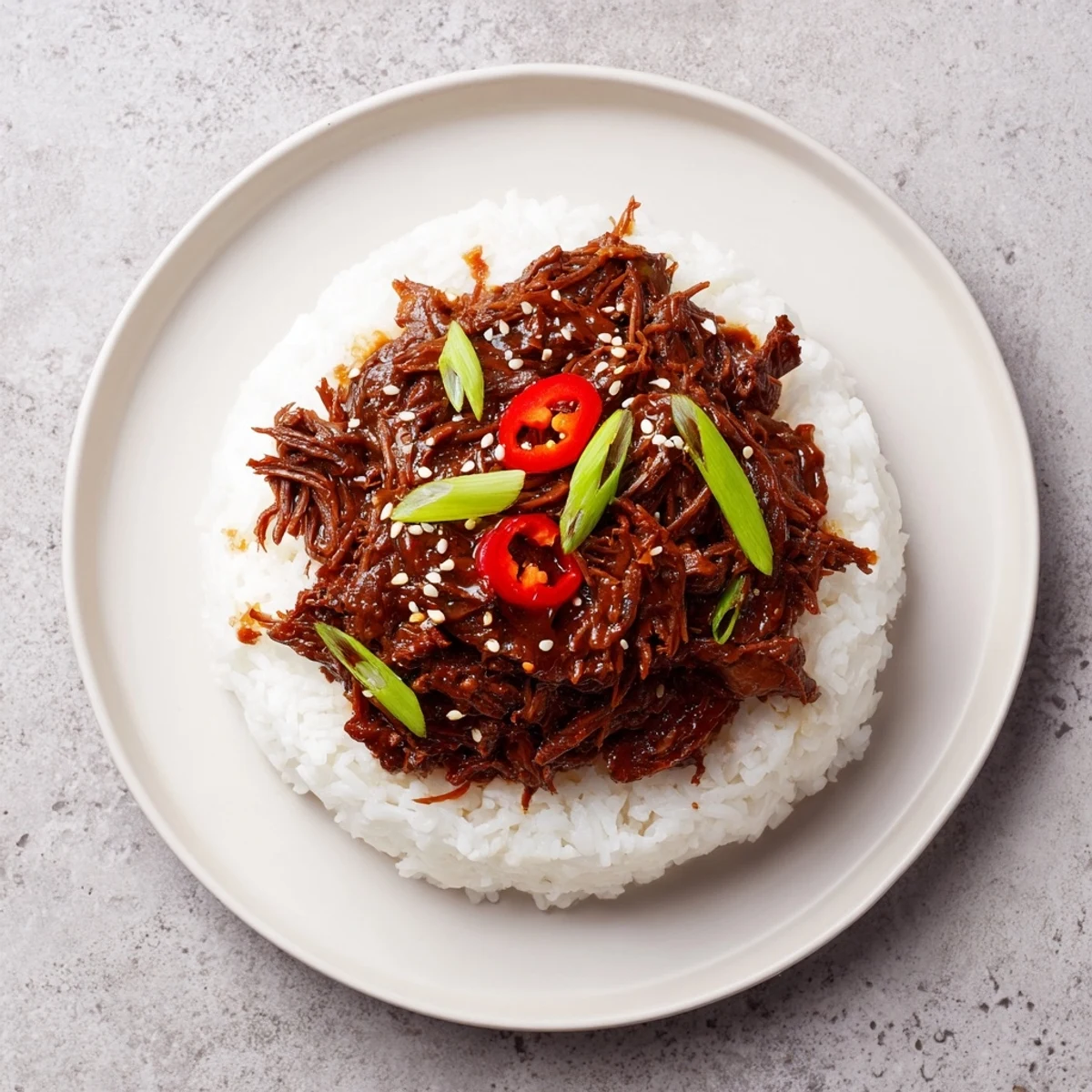
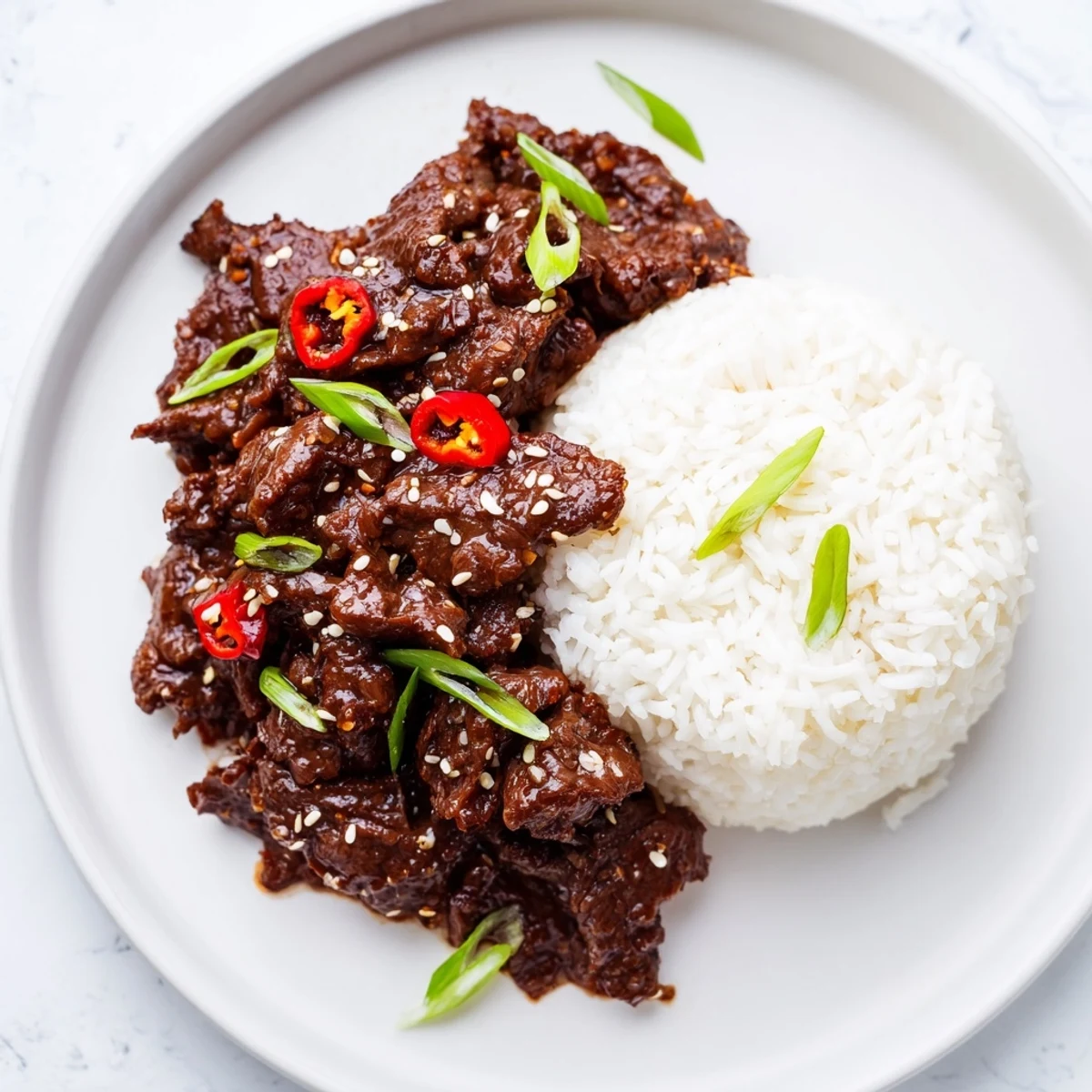
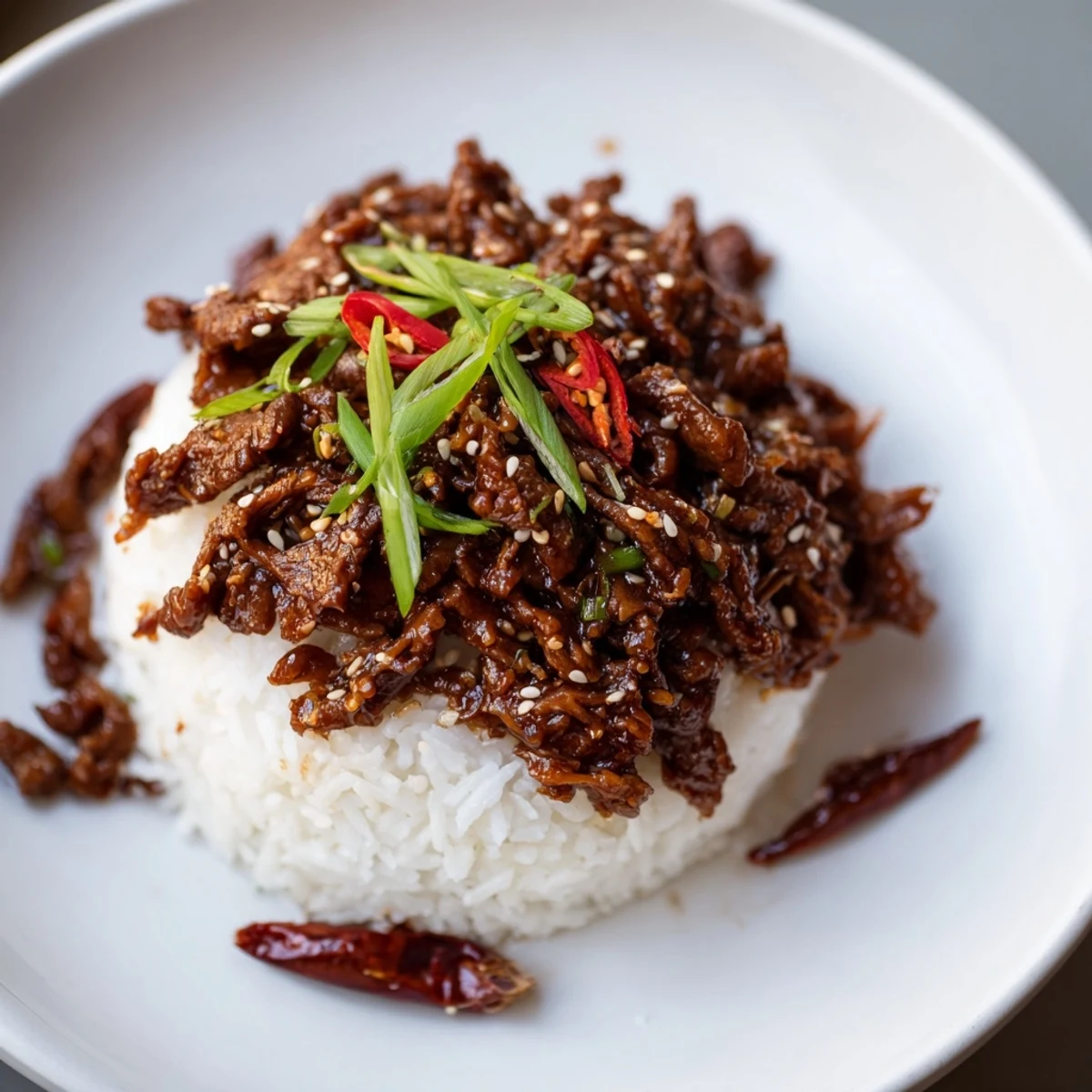
 This dish features tender beef chuck slow-cooked in a rich, savory-sweet Korean-inspired sauce made from soy, brown sugar, ginger, garlic, and gochujang. The beef becomes meltingly soft after hours in the slow cooker, soaking up the flavorful sauce. Finished with toasted sesame seeds and fresh green onions, it’s perfect served over steamed rice or wrapped in crisp lettuce for a fresh, balanced meal.
Simple to prepare and ideal for busy days, this comforting meal brings vibrant Korean flavors with minimal effort. Optional garnishes like sliced red chili add heat and color. Variations include adding fruit puree for sweetness or tamari for gluten-free needs. Leftovers keep well, making it a practical dish with depth and authentic taste.
The first time I made this Korean beef, my apartment smelled so incredible that my neighbor actually knocked on my door to ask what I was cooking. I had thrown everything into the slow cooker before work, not expecting much, but came home to the most aromatic, tender beef that fell apart at the touch of a fork. Now it's become my go-to for meal prep Sundays, and I love how something so hands-off can taste so complex and restaurant-worthy.
I served this at a casual dinner party last month, and my friend who swears she hates beef went back for thirds. We sat around the table building little lettuce wraps, passing the kimchi, and talking until the beef was completely gone. There is something about sharing food this way that turns a regular Tuesday into something worth remembering.
Ingredients
- 2 lbs beef chuck roast: Chuck roast has the perfect marbling for slow cooking, becoming meltingly tender while still holding its shape enough to shred beautifully
- 1/2 cup low-sodium soy sauce: Using low-sodium lets you control the salt level since the sauce reduces and concentrates during cooking
- 1/3 cup brown sugar: Brown sugar caramelizes beautifully and adds a molasses-like depth that white sugar just cannot match
- 1/4 cup water: This helps thin the initial sauce so it coats the beef evenly before the slow cooker works its magic
- 2 tablespoons rice vinegar: Rice vinegar adds a subtle brightness that cuts through the rich beef and sweet sugar
- 1 tablespoon sesame oil: Toasted sesame oil is one of those ingredients where a little goes a long way, adding that unmistakable nutty aroma
- 1 tablespoon freshly grated ginger: Fresh ginger brings a warm, zesty kick that jarred ginger simply cannot replicate
- 4 cloves garlic, minced: Do not be shy with the garlic since mellowing out over seven hours makes it sweet and savory
- 2 tablespoons gochujang: This Korean chili paste adds fermented complexity and gentle heat rather than just plain spiciness
- 2 teaspoons toasted sesame seeds: Toasting your own sesame seeds makes a huge difference in flavor, so take the extra two minutes
- 4 green onions: Green onions add fresh bites that contrast beautifully with the rich, slow-cooked beef
Instructions
- Whisk the sauce together:
- In a medium bowl, combine soy sauce, brown sugar, water, rice vinegar, sesame oil, ginger, garlic, gochujang, and toasted sesame seeds until completely smooth and the sugar has dissolved.
- Coat the beef:
- Place beef chunks in the slow cooker, pour the sauce over, and turn the pieces to ensure every bit is covered in that beautiful glossy mixture.
- Add aromatics:
- Scatter half of the green onions over the beef, letting them cook down into the sauce and infuse it with their mild onion flavor.
- Let it slow cook:
- Cover and cook on low for 7 hours until the beef is fork-tender and practically falling apart on its own.
- Shred and coat:
- Use two forks to shred the beef right in the slow cooker, stirring it through all those rendered juices and thickened sauce.
- Serve it up:
- Pile the beef over steamed rice, wrap it in lettuce leaves, or serve alongside steamed vegetables, then garnish with remaining green onions, sesame seeds, and sliced red chili if you like some extra color.
 Pin It
 This recipe has saved me on countless busy weeknights when I still want something that feels special and comforting. There is genuine joy in coming home to a meal that is been working hard all day while you were out doing the same.
Make It Your Own
I have discovered that adding a tablespoon of Asian pear puree to the sauce creates this subtle sweetness and tenderness that feels completely authentic to Korean cooking traditions. The fruit enzymes actually help break down the meat fibers, making each bite even more incredibly tender.
Serving Ideas
While rice is the classic choice, I have started serving this in steamed bao buns with quick-pickled cucumbers, and it might just be my new favorite way to enjoy it. The combination of cold, crisp vegetables against the warm, savory beef is absolutely perfect.
Storage And Meal Prep
This beef actually tastes even better the next day as the flavors continue to meld and develop in the refrigerator. I always make a double batch and portion it into containers for effortless lunches throughout the week.
- Let the beef cool completely before storing to prevent condensation from making the sauce watery
- Freeze portions in freezer bags laid flat to save space and thaw overnight in the refrigerator
- Reheat gently with a splash of water to bring the sauce back to the right consistency
 Pin It
 There is something deeply satisfying about a recipe that rewards you so generously for so little effort. I hope this becomes one of those recipes you turn to again and again, just like I have.
Recipe Questions
- → What cut of beef works best for this dish?
-
Beef chuck roast is ideal due to its marbling and connective tissue, which break down during slow cooking to create tender, flavorful meat.
- → Can I prepare this in a regular pot instead of a slow cooker?
-
Yes, you can simmer the beef and sauce on low heat for 3-4 hours until tender, stirring occasionally to prevent sticking.
- → How spicy is the dish and can it be adjusted?
-
The heat mainly comes from gochujang and optional red chili garnish. Adjust spice level by reducing gochujang or omitting the chili slices.
- → What are some suitable side dishes to serve with this beef?
-
Steamed rice, kimchi, or pickled vegetables complement the rich flavors and add freshness to the meal.
- → Can this dish be made gluten-free?
-
Yes, use tamari instead of soy sauce and ensure the gochujang is gluten-free to keep the sauce safe for gluten-sensitive diets.
- → How long can leftovers be stored safely?
-
Store refrigerated leftovers in an airtight container for up to 3 days or freeze for up to 3 months.