
 Pin It
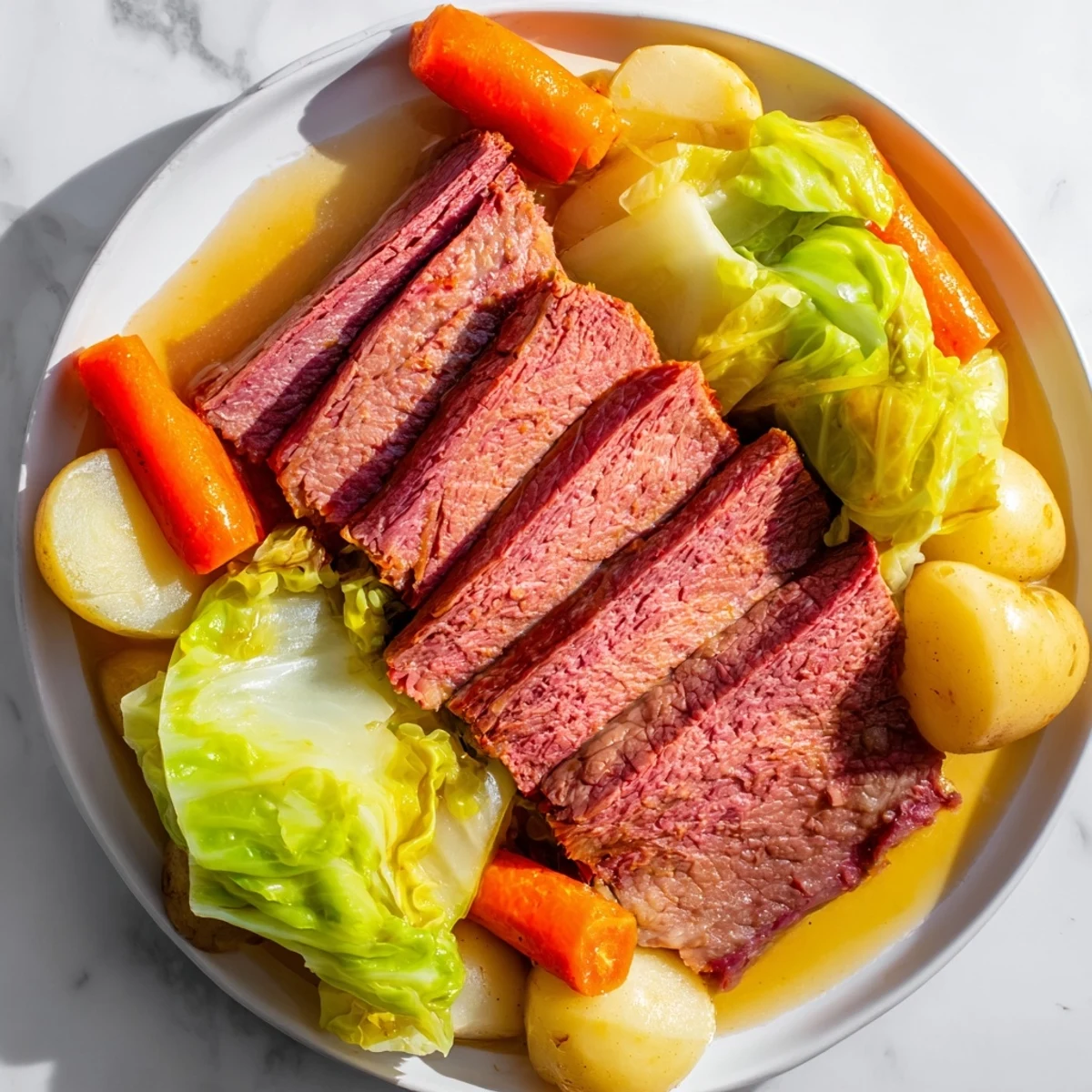
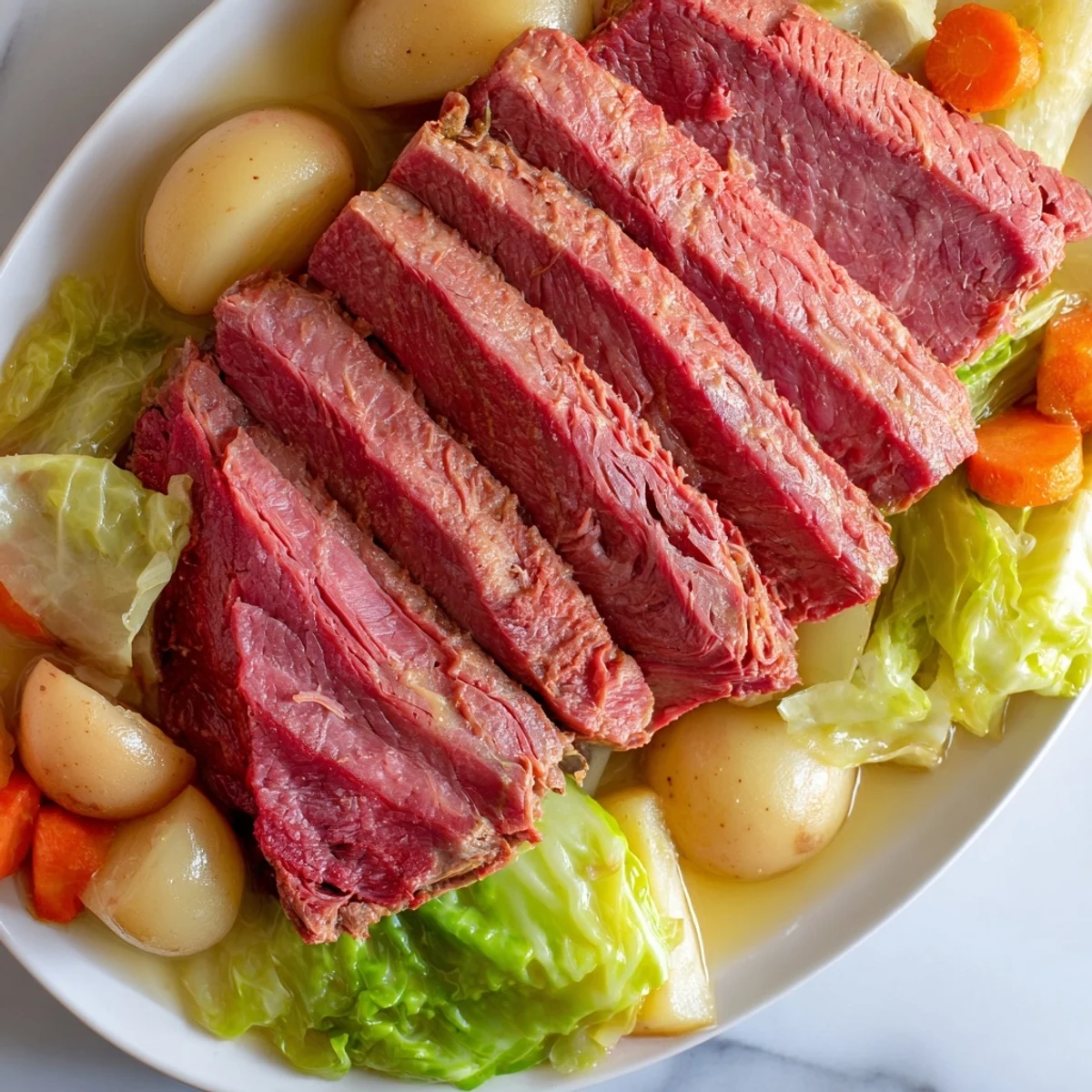
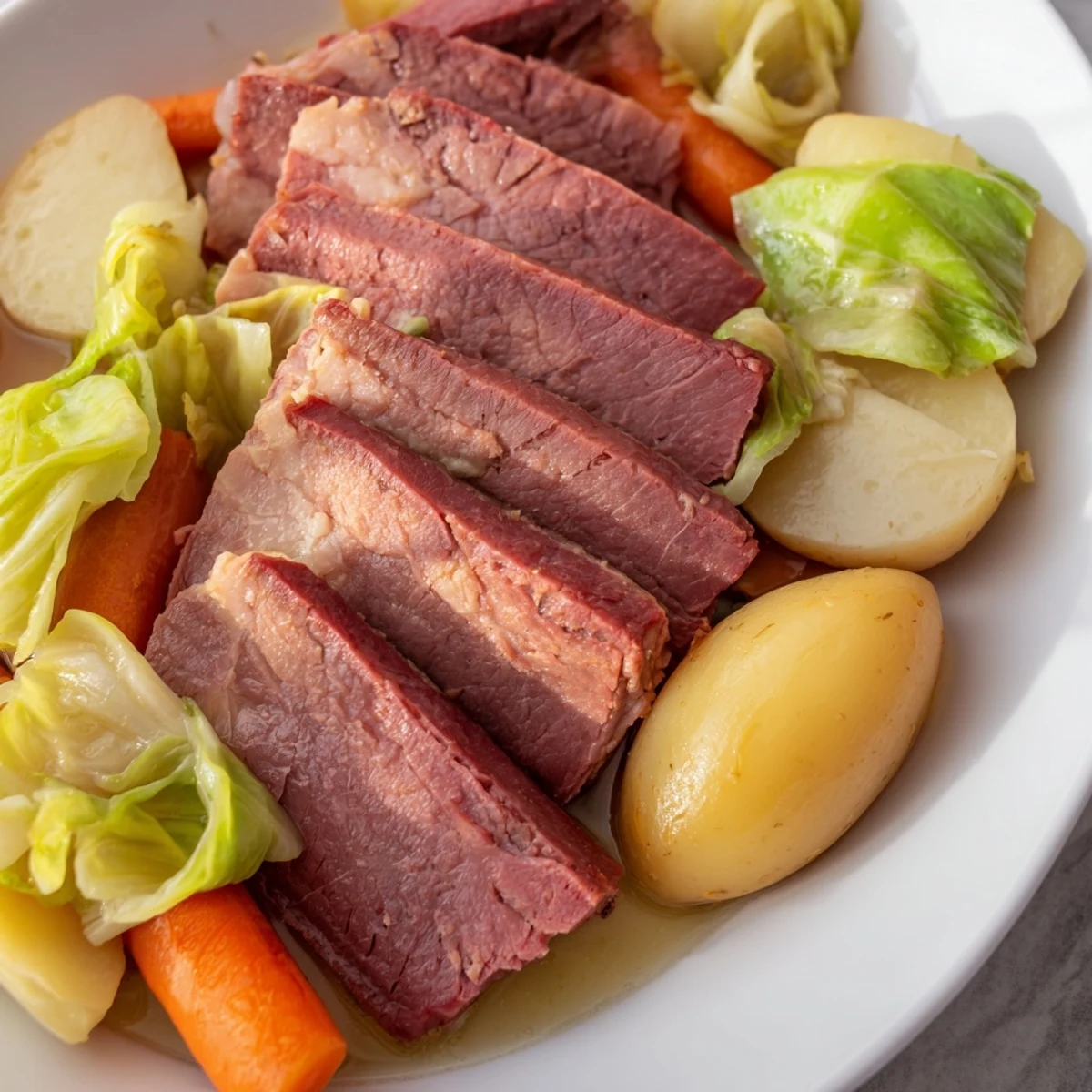
 This dish features a 3-4 lb corned beef brisket cooked slowly with aromatic spices and broth to achieve tender, flavorful meat. Accompanied by green cabbage wedges added late in cooking, along with Yukon Gold potatoes, carrots, onion, and garlic, the meal delivers a rich blend of textures and tastes. Slow cooking allows the flavors to meld deeply, making it perfect for a comforting family meal or special occasion. The brisket is sliced against the grain and combined with the vegetables, served hot with optional mustard or horseradish sauces for added zest.
The smell that filled our tiny apartment that first St. Patrick's Day was impossible to ignore. My roommate stumbled out of her bedroom asking what restaurant I'd ordered from, convinced no home cook could produce something that smelled this incredible. When I lifted the slow cooker lid eight hours later, she stood there watching steam curl up in the kitchen light, quietly asking if there would be enough for her boyfriend too.
Last March my father called from the grocery store, sounding completely defeated by the meat counter. He'd spent thirty minutes staring at wrapped briskets, unsure what to look for, until I talked him through choosing one with good fat distribution. The next week he texted me a photo of his finished platter, sliced beef arranged neatly beside buttery cabbage, admitting he'd never felt more accomplished in his kitchen.
Ingredients
- Corned beef brisket (3 to 4 pounds): Look for one with a nice fat cap on top; that layer renders down during cooking and keeps the meat impossibly moist throughout the long cook time
- Spice packet: Most briskets come with one, but I always add extra bay leaves and peppercorns anyway
- Beef broth (4 cups): Low-sodium is crucial here since the curing process already packs in plenty of salt
- Green cabbage (1 medium head): Cut into wedges that hold their shape; they'll steam perfectly in the broth
- Yukon Gold potatoes (1½ pounds): These hold their texture better than russets and taste buttery on their own
- Carrots (4 large): Cut into generous chunks so they don't disappear completely
- Yellow onion and garlic: They melt into the background but build that classic savory foundation
- Water (2 cups): Dilutes the broth just enough so nothing gets too salty during those eight hours
Instructions
- Give the brisket a quick rinse:
- Cold water washes away the excess surface brine that could make your final dish taste overwhelmingly salty
- Position everything in the slow cooker:
- Lay that brisket fat side up so the melting fat bastes the meat as it cooks, then tuck onions garlic potatoes and carrots around the sides
- Add your liquids and aromatics:
- Pour in the broth and water until everything's barely submerged then scatter bay leaves and peppercorns across the surface
- Let time do its magic:
- Cover and cook on LOW for a full eight hours; resist the urge to lift the lid and let all that heat escape
- Add cabbage at the right moment:
- Drop in your cabbage wedges during the last two hours so they turn tender but don't fall apart completely
- Rest before slicing:
- Give the meat ten minutes on a cutting board so all those juices redistribute then cut across the grain for perfect tenderness
 Pin It
 My sister insisted she hated corned beef until she tried this version, shocked that the meat wasn't tough or overly salty like the restaurant versions she'd endured. Now she texts me every February asking if I've bought my brisket yet, as if somehow the stores might run out if she waits until March.
Making It Your Own
I've found that throwing in a few sprigs of fresh thyme or parsley adds a bright herbal note that cuts through all that richness. Some mornings I'll toss in a bottle of dark beer instead of water, which deepens the flavor and gives the broth an incredible depth that makes my husband hover around the kitchen all day asking if it's done yet.
Perfecting the Vegetables
The timing of your vegetables matters more than you'd think. If you like your carrots and potatoes with some structure left in them, add them halfway through cooking instead of at the beginning. There's nothing worse than perfectly tender beef paired with vegetables that have completely collapsed into mush.
Serving Suggestions
A good grainy mustard or sharp horseradish sauce cuts through the richness beautifully. I keep both on the table and let everyone choose their own adventure. The leftovers make the most incredible sandwiches, stacked high on rye bread with a little extra mustard and maybe a slice of Swiss if you're feeling fancy.
- Warm your serving plates first; this dish loses heat quickly once it's plattered
- Save that cooking liquid for reheating leftovers tomorrow
- Have plenty of crusty bread ready to soak up those juices at the table
 Pin It
 There's something profoundly satisfying about a meal that takes care of itself while you go about your day. This recipe has become my go-to for whenever I want to feed people without spending the whole evening in the kitchen, which might be why it shows up at my table so often.
Recipe Questions
- → How long should the corned beef brisket be cooked?
-
Cook the brisket on low heat for approximately 8 hours until it becomes tender and easy to slice.
- → When should the cabbage be added during cooking?
-
Add cabbage wedges about 2 hours before the end of cooking to keep them tender but not mushy.
- → Can I substitute other potatoes for Yukon Gold?
-
Yes, small red potatoes work well and can be used as an alternative to Yukon Gold.
- → Is it necessary to rinse the corned beef before cooking?
-
Rinsing the brisket removes excess brine, which helps control saltiness and balances the flavor.
- → What herbs can enhance the flavor during cooking?
-
Fresh thyme or parsley sprigs added to the slow cooker add an extra layer of aroma and taste.
- → How should the brisket be sliced for serving?
-
Slice the brisket against the grain after resting to ensure tenderness in each bite.