
 Pin It
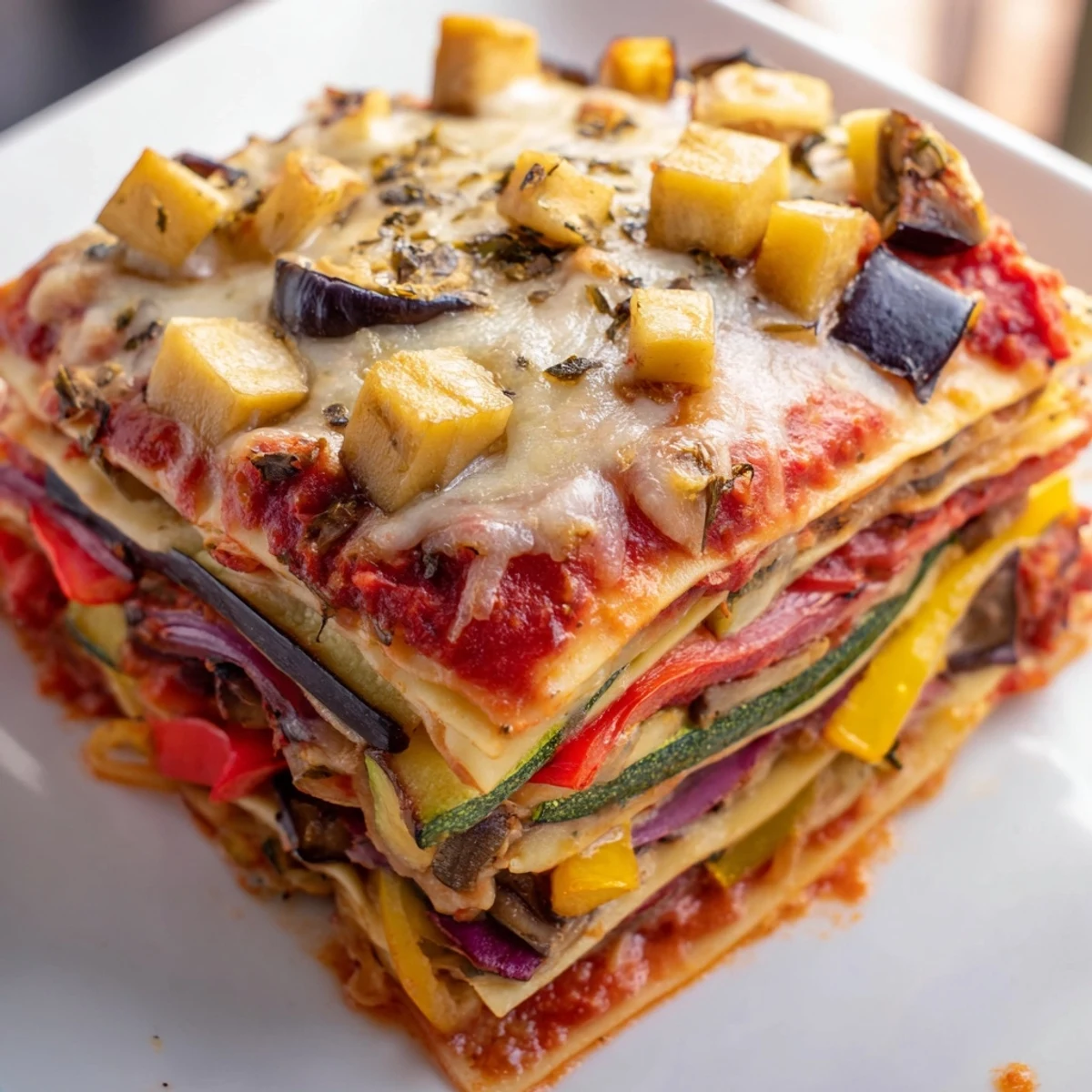
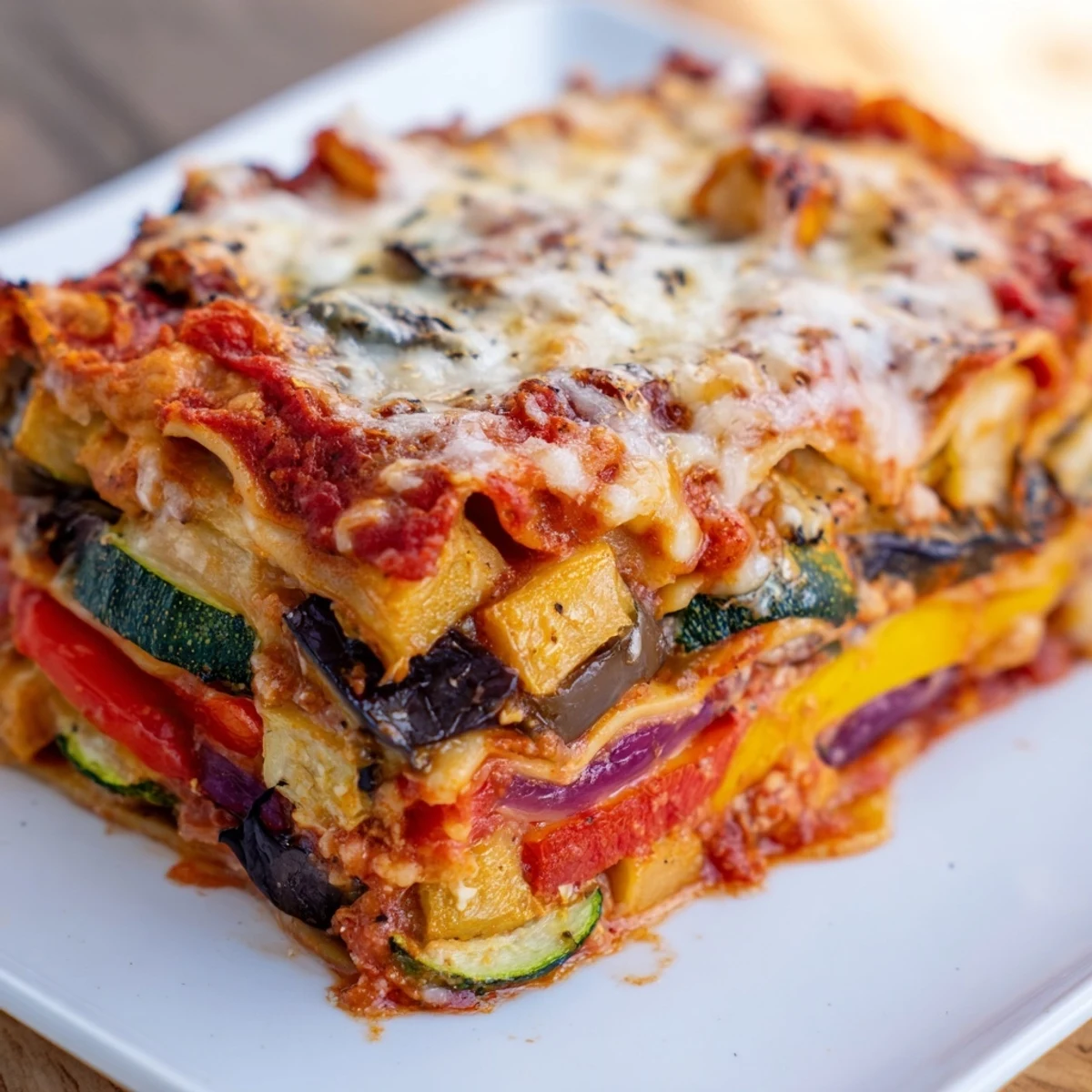
 This comforting Italian classic combines layers of roasted eggplant, zucchini, and bell peppers with a savory homemade tomato sauce. The assembly is finished with a silky, nutmeg-infused béchamel and generous cheese. Baked until bubbly and golden, it offers a rich, satisfying vegetarian main dish that pairs perfectly with a crisp salad.
There's a particular Tuesday evening I think of whenever I make this lasagna, when my friend Marco showed up unexpectedly with a box of vegetables from the farmer's market and somehow convinced me that roasting them first would change everything. He was right, in that quietly insistent way he has about food. What started as improvisation became the dish I've made dozens of times since, each layer telling its own story of patience and butter and the exact moment the béchamel finally turns silky.
I made this for my mother's birthday dinner once, back when she still cooked with me in that comfortable silence we'd somehow learned. She watched me layer it, asked why I was being so careful with the noodles, and I couldn't quite explain that it matters—that the attention itself becomes part of what you're serving. She had seconds, and my father thirds, which was his way of saying something true.
Ingredients
- Eggplant: The half-inch cubes matter because they need to soften without turning into paste; too thin and they disappear into themselves.
- Zucchini: Quarter-inch rounds mean they'll hold their shape and contribute a gentle sweetness that whispers under the tomato sauce.
- Bell peppers (red and yellow): The color is almost incidental; the strips add a slight char and texture that keeps each bite interesting.
- Red onion: When roasted, it loses its sharp edge and becomes almost caramel-like, a quiet anchor for the other vegetables.
- Olive oil (for roasting): Two tablespoons coats everything evenly and helps the vegetables brown rather than steam.
- Garlic: Three cloves minced fine, just until fragrant—the moment before it could turn bitter.
- Crushed tomatoes: A 28-ounce can is the right amount; the acidity balances the richness of the béchamel without overpowering.
- Dried oregano and basil: These dried herbs taste different than fresh, less bright and more grounded, which is what this sauce needs.
- Butter (unsalted): Four tablespoons melted is the foundation of the béchamel; you'll taste it, so use good butter.
- All-purpose flour: Four tablespoons whisked into the melted butter creates what French cooks call a roux, your ticket to silky sauce.
- Whole milk (warmed): Room-temperature milk is essential; cold milk hitting hot roux creates lumps that no amount of whisking fixes.
- Ground nutmeg: Just a quarter teaspoon, barely visible, but the béchamel will taste flat without it—trust this.
- Mozzarella and Parmesan: Two cups mozzarella for stretch, three-quarters cup Parmesan for depth; don't skimp on either.
- Lasagna noodles: No-boil saves time, but regular noodles taste slightly better if you have the patience to cook them.
Instructions
- Roast the vegetables:
- Preheat your oven to 425°F and line a baking sheet with parchment—this prevents sticking and makes cleanup feel like a minor miracle. Toss your cubed eggplant, zucchini rounds, and pepper strips with two tablespoons of olive oil, salt, and pepper until every piece glistens, then spread them out in a single layer and let them sit in that hot oven for 20 to 25 minutes, stirring once halfway through.
- Make the tomato sauce:
- While the vegetables roast, heat two tablespoons of olive oil in a saucepan over medium heat and add your minced garlic, waiting just a minute for the smell to become irresistible before stirring in the crushed tomatoes. Add oregano, basil, salt, sugar, and black pepper, then let it bubble gently for 15 to 20 minutes, where the flavors relax into each other and the sauce thickens slightly.
- Prepare the béchamel:
- In another saucepan, melt four tablespoons of butter over medium heat, then whisk in four tablespoons of flour, cooking for a minute or two while stirring constantly so it smells nutty but never browns. Slowly pour in your warmed milk, whisking continuously—this is where patience matters more than speed, as the sauce gradually thickens into something silky and smooth in about five to seven minutes, then stir in nutmeg, salt, and white pepper.
- Assemble the layers:
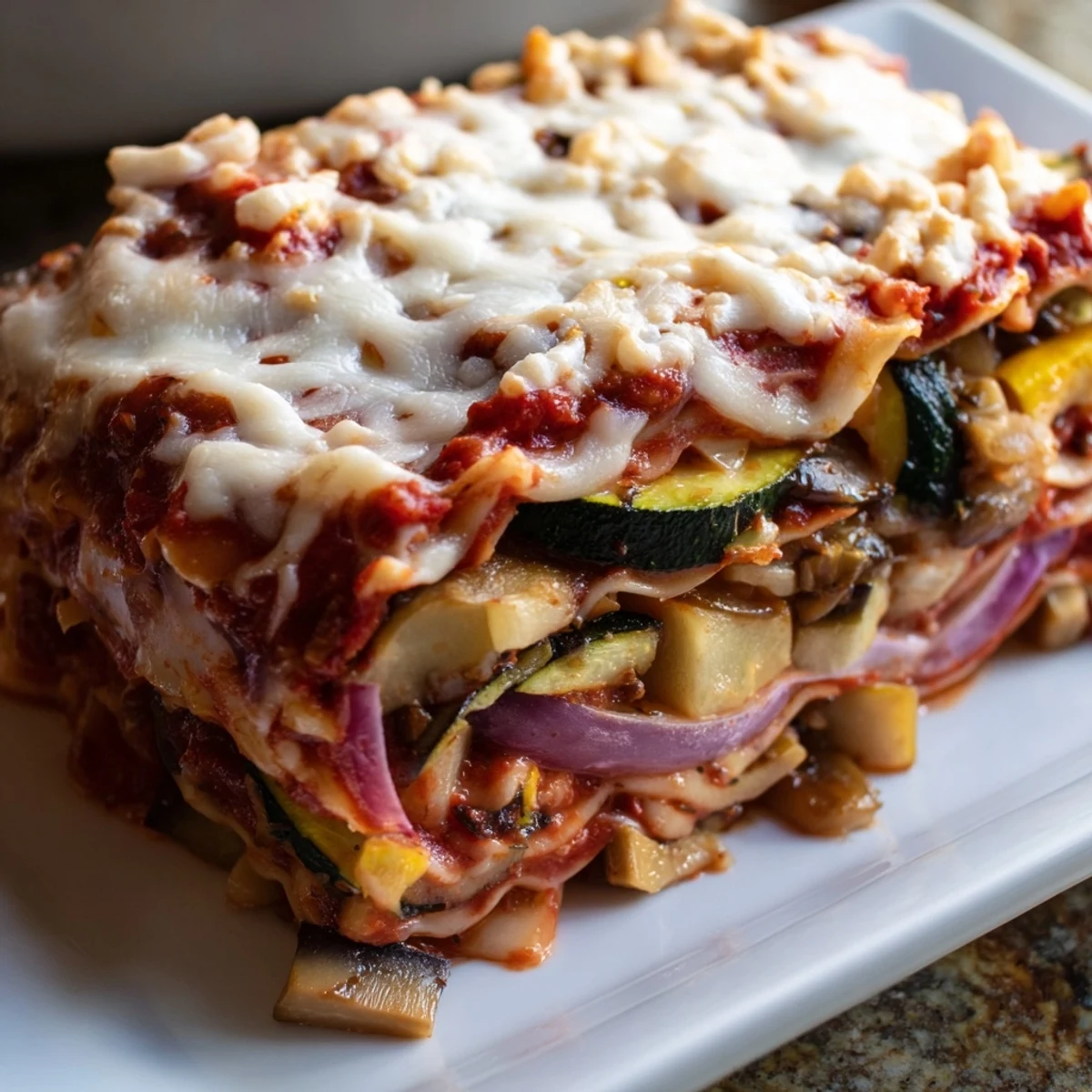
- Reduce your oven to 375°F and spread a thin layer of tomato sauce across the bottom of a 9x13-inch baking dish, then arrange noodles over it, then scatter one-third of your roasted vegetables across the noodles and spoon some tomato sauce over them. Add a layer of béchamel, then sprinkle with mozzarella and Parmesan, and repeat this sequence twice more, finishing with noodles on top, final béchamel, and a generous scattering of both cheeses.
- Bake covered and uncovered:
- Cover the dish with foil and bake for 30 minutes, which allows everything to heat through and the flavors to marry below the surface, then remove the foil and bake another 15 to 20 minutes until the top turns golden and the edges bubble eagerly at the corners.
- Rest before serving:
- Pull it from the oven and let it sit for 10 to 15 minutes—this is not a suggestion, as it allows the layers to set just enough to hold their shape when you cut into them. Garnish with fresh basil if you have it, though the lasagna is already complete and honest.
 Pin It
 My first attempt at béchamel seized into a grainy disappointment, and I remember standing there genuinely upset at this sauce that was supposed to be luxurious. A neighbor who cooked professionally happened by and showed me the trick—patience, whisking, and warm milk—and suddenly I understood not just the technique but why it mattered. Making it right now, that smooth coating sauce, feels like a small redemption each time.
Building Flavor Through Roasting
Roasting vegetables at high heat first is the move that separates this lasagna from the ordinary kind your cafeteria might have served. The eggplant develops a gentle sweetness instead of absorbing sauce and becoming spongy, the peppers caramelize at the edges, and the onions turn almost jammy. You're not just cooking vegetables; you're developing their character before they ever meet the sauce.
Choosing Your Noodles
No-boil noodles are a genuine convenience and they work beautifully, though regular noodles cooked according to package directions taste noticeably better if you have the time. The choice is practical—ten minutes to cook noodles versus ten minutes you might use for other things—but if you're already spending time on béchamel and roasting, the noodles might as well be good ones. Either way, don't let the pasta dominate your mind; the sauce and vegetables are what you'll remember.
Pairing and Storage
A crisp green salad sits beautifully alongside this lasagna, something with sharp vinaigrette to cut through the richness, and if you can manage a glass of white wine—Pinot Grigio or even something slightly mineral—it feels like occasion even on a ordinary Wednesday. Leftovers keep for three days and actually improve slightly as the flavors settle and deepen, and cold leftovers are surprisingly good, though heating them gently in the oven is the more civilized choice.
- Make this a day ahead if you'd like; the flavors only develop further and you'll skip the stress of assembly at dinnertime.
- Spinach or mushrooms can be roasted alongside the other vegetables if you want to add depth or make it feel somehow more complete.
- This feeds six generously or leaves you with proof that you made good decisions in the kitchen.
 Pin It
 This lasagna is one of those dishes that tastes like care tastes like the person who made it took a moment to get the details right. Serve it warm, watch someone take that first bite, and you'll understand why I keep coming back to it.
Recipe Questions
- → Can I use different vegetables?
-
Yes, swap eggplant or zucchini for mushrooms, spinach, or roasted squash based on preference.
- → Do I need to boil the noodles?
-
No-boil noodles work best here, but you can use regular noodles par-boiled according to package instructions.
- → Can I make this ahead of time?
-
Assemble the dish, cover tightly, and refrigerate for up to 24 hours before baking.
- → Is this suitable for freezing?
-
Yes, wrap the unbaked or baked dish tightly in plastic and foil; it freezes well for up to 3 months.
- → How do I prevent a watery lasagna?
-
Roasting the vegetables first removes excess moisture, ensuring the layers remain firm and flavorful.