
 Pin It
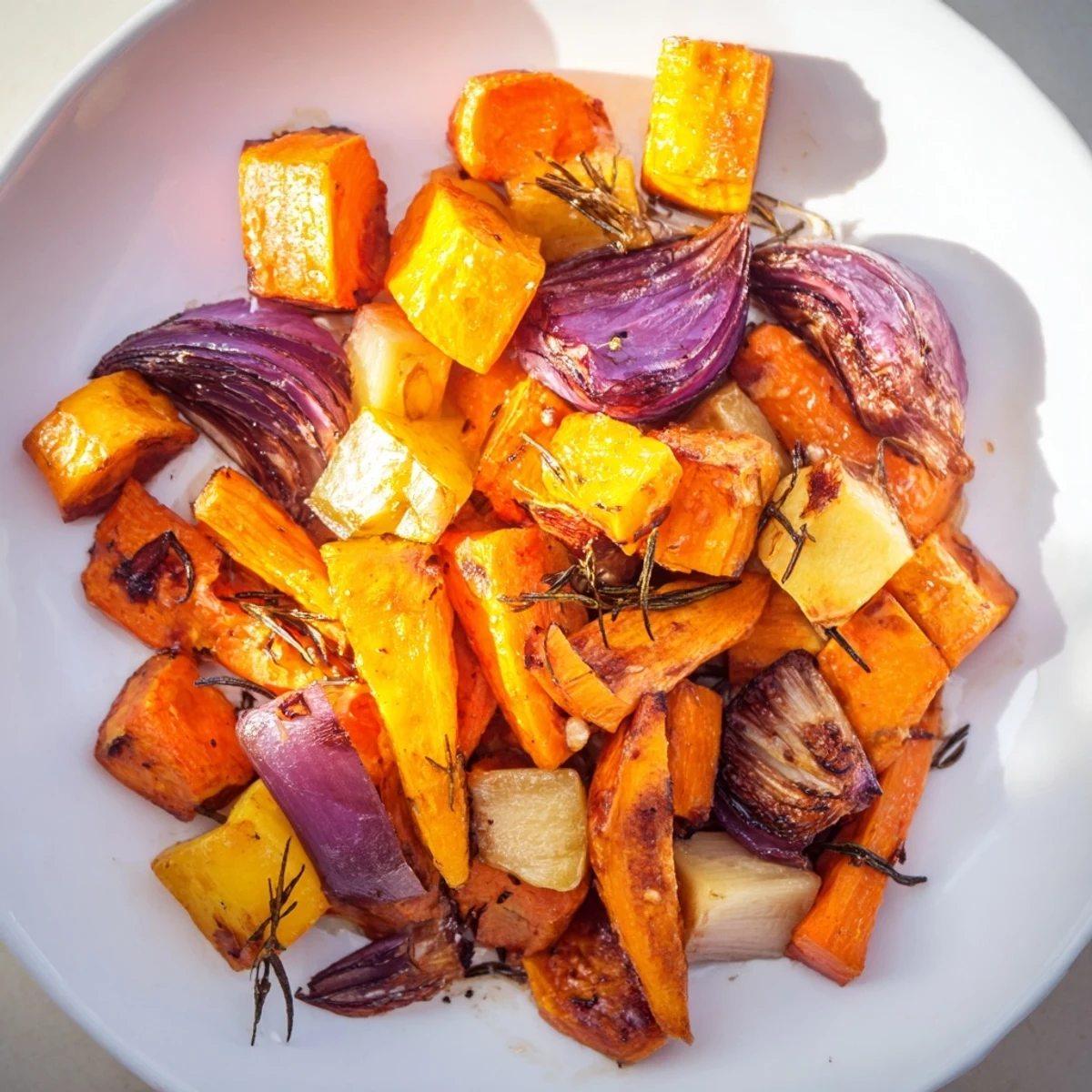
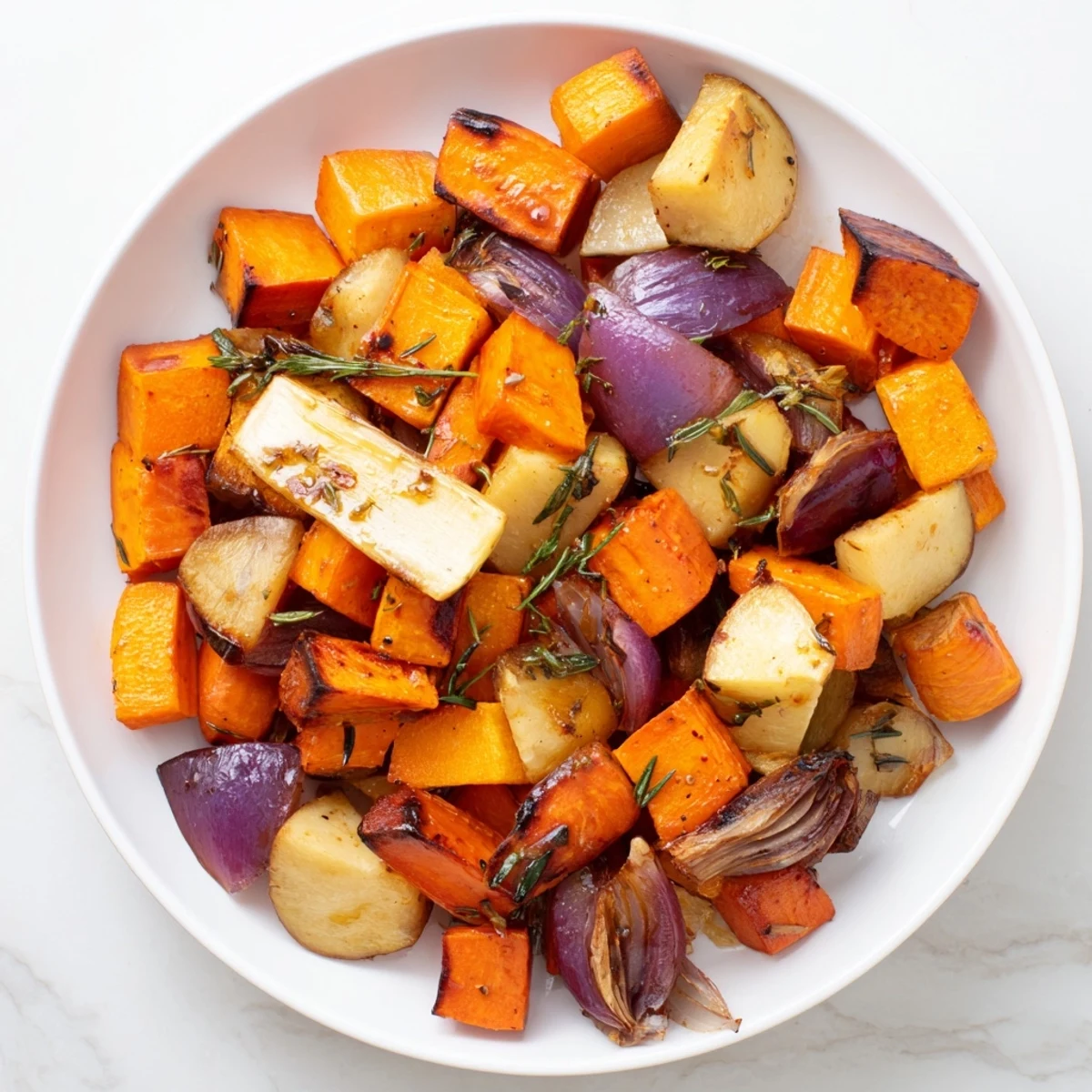
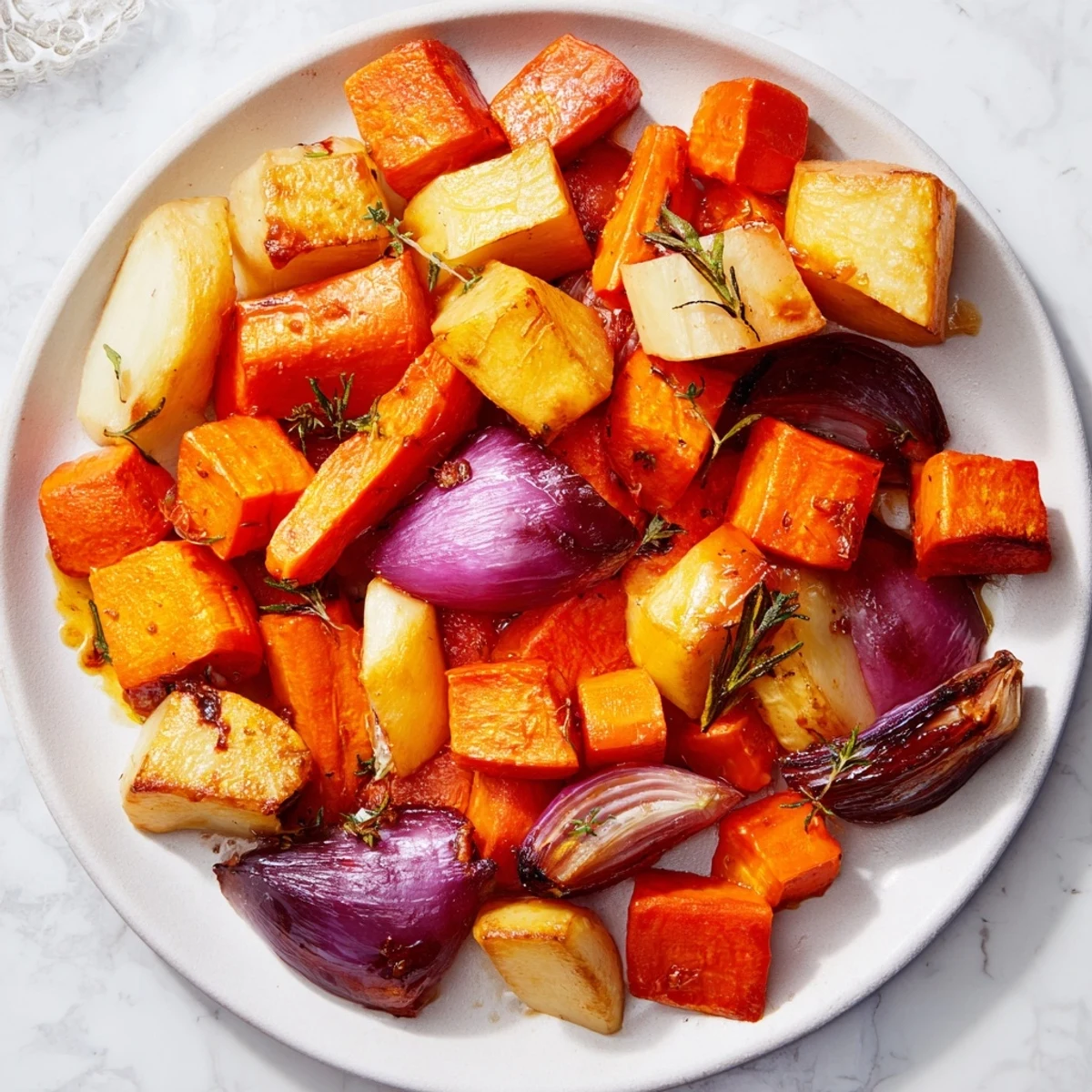
 This dish features a selection of seasonal root vegetables like carrots, parsnips, sweet potatoes, and rutabaga, all cut into chunks and tossed with olive oil, fresh herbs, sea salt, and pepper. Roasting at high heat caramelizes the edges, developing rich, deep flavors. After initial roasting, a glaze made with balsamic vinegar and maple syrup is drizzled over to add a perfect balance of tang and sweetness. The vegetables then roast again to achieve a tender, glossy finish. Serve warm as a satisfying side or vegetarian centerpiece.
There's something deeply satisfying about the way a sheet pan of root vegetables transforms in the oven, edges turning golden and sugars concentrating. I first made this on a particularly gray November Sunday when the farmers market was overflowing with gnarly carrots and parsnips, and I needed something that felt like a warm hug. The balsamic glaze was a happy accident—I had just a tablespoon left in the bottle and decided to see what would happen. Now it's the only way I'll roast root vegetables.
Last winter, I brought this to a potluck when I was running late and barely had time to toss it together. By the time I arrived, the smell had filled my car, and my friend asked immediately what I'd made. We all stood around the platter, picking at the still warm vegetables while catching up, and honestly, the conversation mostly revolved around the glaze.
Ingredients
- 2 large carrots, peeled and cut into 1-inch pieces: Choose thicker carrots if possible—they hold their texture better during roasting and don't dry out like thin ones can
- 2 parsnips, peeled and cut into 1-inch pieces: Smaller parsnips tend to be sweeter, so avoid the massive woody ones unless you're planning to cut out the tough core
- 1 medium sweet potato, peeled and cubed: I've learned the hard way that sweet potatoes cook faster than other roots, so cut them slightly larger than everything else
- 1 small rutabaga or turnip, peeled and cubed: If you can't find rutabaga, a turnip works just fine—it just needs a few extra minutes in the oven to get tender
- 1 red onion, peeled and cut into wedges: Red onions become surprisingly sweet when roasted, and their color looks gorgeous against the orange vegetables
- 3 tbsp olive oil: Don't skimp here—this is what helps the vegetables develop those crispy, caramelized edges we're after
- 1 tsp sea salt: If you're using table salt, reduce this to about half a teaspoon since it's much more potent
- ½ tsp freshly ground black pepper: I always crack pepper fresh right into the bowl—pre ground just doesn't have the same warmth
- 1 tsp dried thyme: Dried herbs actually work beautifully here since they'll have plenty of time to bloom in the hot oven
- 1 tsp dried rosemary: Rub the rosemary between your fingers before adding it to help release its aromatic oils
- 2 tbsp balsamic vinegar: Aged balsamic adds depth, but even basic supermarket balsamic works wonderfully for the glaze
- 1 tbsp pure maple syrup or honey: Maple syrup gives a slightly deeper flavor, but honey creates a prettier, shinier glaze
Instructions
- Preheat and prepare:
- Crank your oven to 425°F with the rack in the middle position. Line a large baking sheet with parchment paper, making sure it extends up the sides slightly for easier cleanup later.
- Prep your vegetables:
- In your largest mixing bowl, combine all the cut vegetables and red onion wedges. You want enough room to toss everything without sending carrots flying across your kitchen.
- Season and coat:
- Drizzle the olive oil over the vegetables, then sprinkle with salt, pepper, thyme, and rosemary. Use your hands to toss until every piece is lightly coated—this hands on approach is the only way to ensure even seasoning.
- Arrange for roasting:
- Spread the vegetables in a single layer on your prepared baking sheet. If they're too crowded, they'll steam instead of roast, so use two sheets if necessary.
- First roast:
- Roast for 30 minutes, setting a timer to remind yourself to stir halfway through. When you do, use a spatula to flip vegetables and rotate the pan 180 degrees for even browning.
- Make the glaze:
- In a small bowl, whisk together the balsamic vinegar and maple syrup (or honey) until smooth. The mixture will be thick, almost like a loose syrup.
- Add the glaze:
- After the initial 30 minutes, pull the pan from the oven and drizzle the balsamic mixture evenly over the vegetables. Toss everything gently with your spatula to coat, spreading them back into a single layer.
- Finish roasting:
- Return to the oven for another 10 minutes, until the vegetables are tender when pierced with a fork and edges are deeply caramelized. The glaze should be bubbling and sticky.
- Serve warm:
- Transfer everything to a serving platter, scraping up any sticky bits from the parchment. Serve while still warm—the flavors really pop at that just cooled slightly stage.
 Pin It
 This recipe became a unexpected favorite during my first winter in a new apartment, when I was still figuring out which grocers had the best produce. I'd make it almost every Sunday, the smell of roasting vegetables making the whole space feel like home even while boxes were still stacked in the corner.
Choosing Your Root Vegetables
I've found that mixing at least three different types of vegetables creates the most interesting flavor and texture profile. The sweetness of carrots balances against the slight peppery bite of parsnips, while sweet potatoes add creaminess and rutabaga brings earthiness. If you're at the farmers market, just grab whatever looks freshest—this recipe is wonderfully forgiving.
The Balsamic Secret
Adding the glaze during the last 10 minutes is my adaptation after years of roasting vegetables plain. That brief time is perfect for the vinegar to reduce slightly and become syrupy without burning. If you add it at the beginning, it mostly evaporates, but adding it at the end creates those gorgeous sticky, caramelized edges everyone fights over.
Make Ahead and Storage
You can cut all the vegetables up to a day in advance, storing them in an airtight container in the refrigerator with a damp paper towel on top. This has saved me countless times when preparing for weeknight dinners. While they're best fresh from the oven, leftovers reheat beautifully at 350°F for about 15 minutes.
- Don't refrigerate the roasted vegetables longer than 3 days or the texture becomes disappointingly mushy
- If you're doubling the recipe for a crowd, use two baking sheets instead of crowding one
- These vegetables freeze surprisingly well—spread cooled leftovers on a baking sheet, freeze until solid, then transfer to a freezer bag
 Pin It
 There's something about this dish that makes people linger at the table, even after the food is gone. Maybe it's the way the balsamic mingles with roasted sweetness, or perhaps it's just that root vegetables feel like comfort food without being heavy. Either way, I hope it finds its way into your regular rotation too.
Recipe Questions
- → What root vegetables work best for roasting?
-
Carrots, parsnips, sweet potatoes, and rutabagas offer a nice balance of sweetness and texture when roasted.
- → How does the balsamic glaze affect flavor?
-
The glaze adds tangy sweetness that enhances the natural caramelization of roasted vegetables, creating a balanced taste.
- → Can I add other seasonings to this dish?
-
Yes, herbs like thyme and rosemary complement root vegetables well, and additional garlic or fresh herbs can boost flavor.
- → What’s the ideal oven temperature for roasting?
-
Roasting at 425°F (220°C) ensures vegetables caramelize nicely while becoming tender inside.
- → Can this be prepared ahead of time?
-
Vegetables can be pre-cut and tossed with oil and seasonings in advance, but roasting and glazing are best done just before serving.