
 Pin It
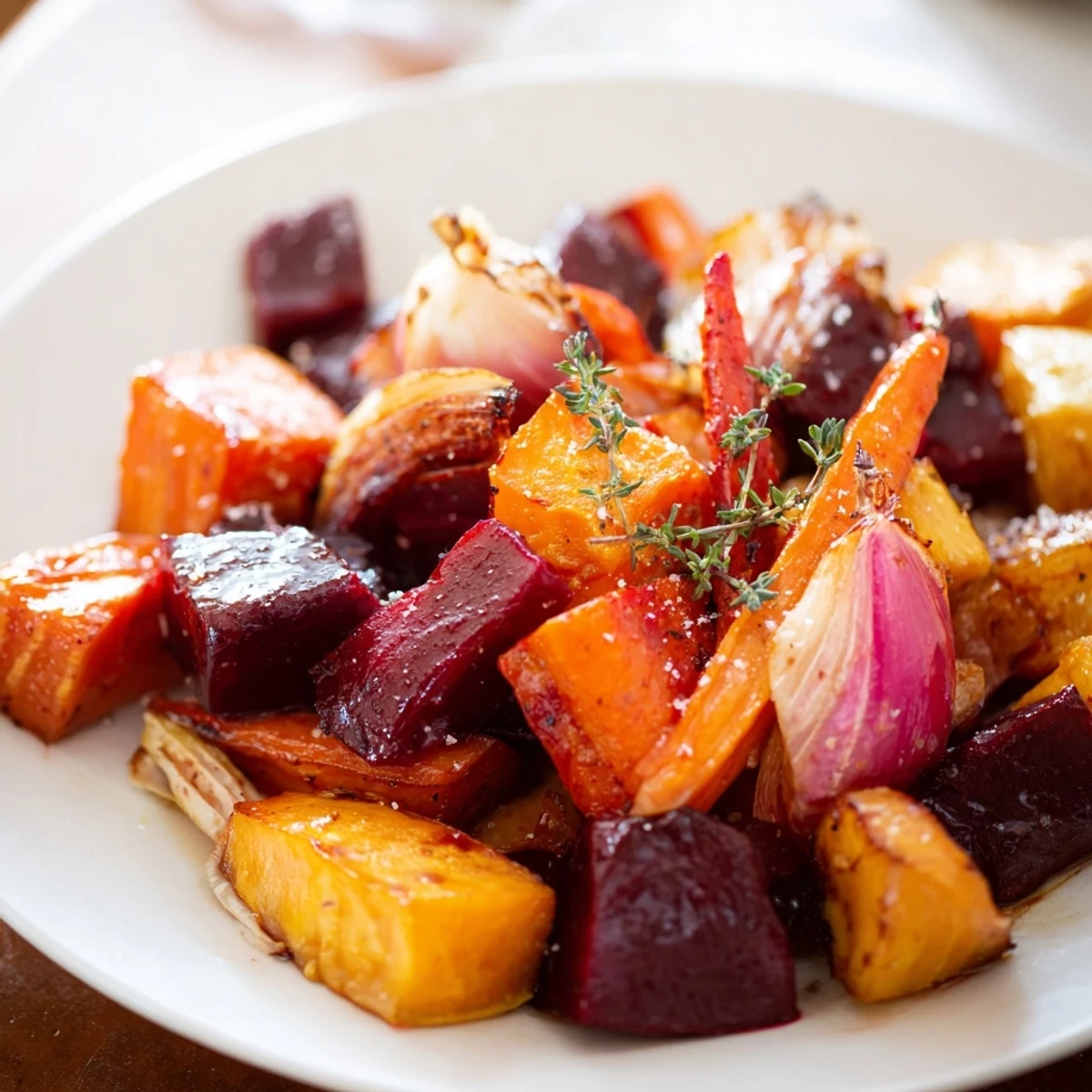
 Experience the depth of flavor in this medley of roasted carrots, parsnips, sweet potatoes, and beets. Coated in olive oil and thyme, the vegetables are cooked at high heat for perfect caramelization. A final drizzle of reduced balsamic vinegar and maple syrup adds a delightful sweet and tangy finish to this hearty vegetable dish.
There's something about the smell of root vegetables hitting hot oil that makes a kitchen feel like home. I discovered this recipe on a gray November afternoon when I wanted to turn a simple side dish into something that would steal the spotlight at dinner. The kitchen filled with this incredible caramelized sweetness, and suddenly I understood why my grandmother always seemed to make vegetables taste like an event.
I made this for a potluck where I wasn't sure what would work with the other dishes, and somehow these roasted vegetables became the thing people went back to multiple times. A friend actually asked if I'd added butter or cream because the glaze was so silky and rich. That moment taught me that simple ingredients, treated with respect, can absolutely outshine fancier competition.
Ingredients
- Carrots: Two large ones cut into generous chunks so they caramelize instead of turning mushy.
- Parsnips: These add an almost nutty sweetness that deepens as they roast, creating complexity you don't expect.
- Sweet potato: One large one cubed gives you bursts of natural sweetness throughout.
- Red onion: Cut into wedges so they stay intact and develop this incredible jammy texture.
- Beet: One medium beet cubed creates those gorgeous jewel tones and an earthy sweetness.
- Olive oil: Three tablespoons is the amount that creates that perfect caramelization without making things greasy.
- Sea salt and black pepper: Use fresh ground pepper if you can, the difference is noticeable.
- Thyme: Dried works fine but fresh thyme leaves scattered at the end adds a brightness that elevates everything.
- Balsamic vinegar: This is where the magic happens, so use something decent that you'd actually enjoy drinking.
- Maple syrup or honey: The sweetness balances the balsamic's tang and creates that glossy, caramelized glaze.
Instructions
- Get your oven ready:
- Heat to 425°F and line your baking sheet with parchment paper so cleanup is painless and nothing sticks.
- Prep the vegetables:
- Cut everything into roughly 1-inch pieces so they cook evenly and caramelize at the same pace. Consistency here really matters.
- Create your base:
- Toss all the vegetables with olive oil, salt, pepper, and thyme in a large bowl until every piece is coated and glistening.
- Spread and roast:
- Spread them in a single layer on the baking sheet and roast for 30 minutes, stirring halfway through so they brown on all sides. You'll know they're ready when the edges start turning caramelized and you can smell that deep, roasted sweetness.
- Make the glaze:
- While vegetables roast, whisk together balsamic vinegar and maple syrup in a small bowl until combined.
- Add the glaze:
- Pull the vegetables out, drizzle the glaze over them, and toss gently so everything gets coated in that glossy, dark mixture.
- Final roast:
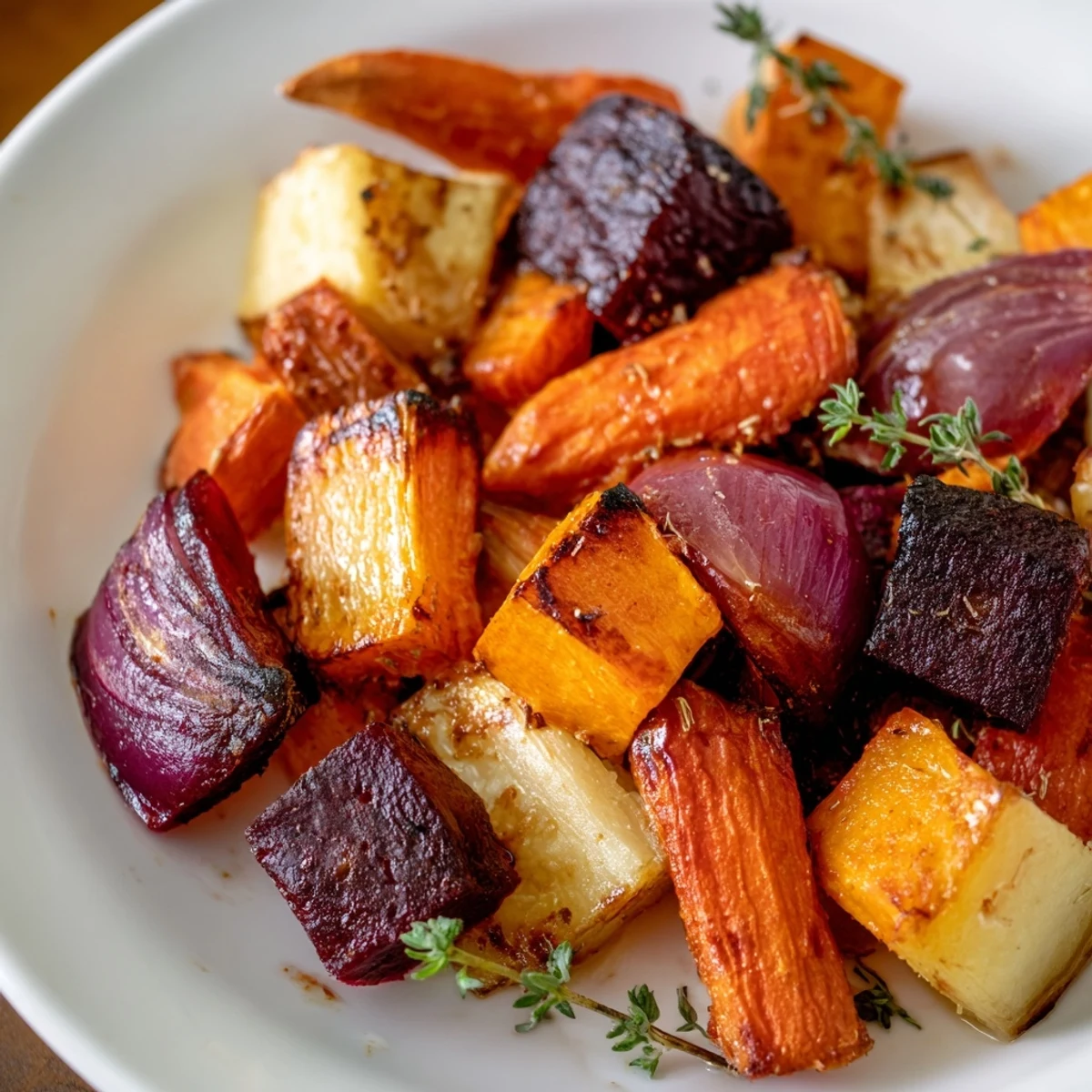
- Return to the oven for 8 to 10 minutes until the glaze is bubbling around the edges and the vegetables are deeply caramelized. This is where everything comes together.
 Pin It
 There was a dinner where these vegetables shifted from side dish to conversation starter, with someone mentioning they'd never realized roasted vegetables could taste this complex and intentional. That's when I realized this recipe works because it treats humble root vegetables like they deserve actual technique.
Why This Combination Works
Root vegetables are like an orchestra where each instrument brings something different. The carrots add sweetness, parsnips bring subtle nuttiness, beets offer earthiness, and sweet potato creates creaminess even without any dairy. Roasting concentrates all these flavors while the balsamic glaze ties everything together with its bright, complex tang that catches you by surprise with every bite.
Customizing Your Roasted Vegetables
The beauty of this recipe is how flexible it actually is. You could swap in turnips or rutabaga if that's what's at the market, or add whole garlic cloves for pungent sweetness, or hit everything with red pepper flakes if you want heat underneath that glaze. I've even added fresh rosemary instead of thyme, and the entire dish shifts while staying somehow recognizable.
When and How to Serve This Dish
This works as a side with roasted meats because the glaze complements game and poultry beautifully. It's equally at home on a vegetarian table with grains or other roasted vegetables, where it becomes the anchor. Some of my favorite dinners have been completely vegetable-focused, with these roasted roots as the star surrounded by other colors and preparations.
- Serve it hot straight from the oven when the glaze is still glossy and the vegetables are at their best.
- A medium-bodied red wine like Pinot Noir bridges the gap between the vegetable sweetness and any proteins you're serving.
- Leftover roasted vegetables are honestly better the next day in salads or grain bowls, when they've had time to cool and the flavors have deepened.
 Pin It
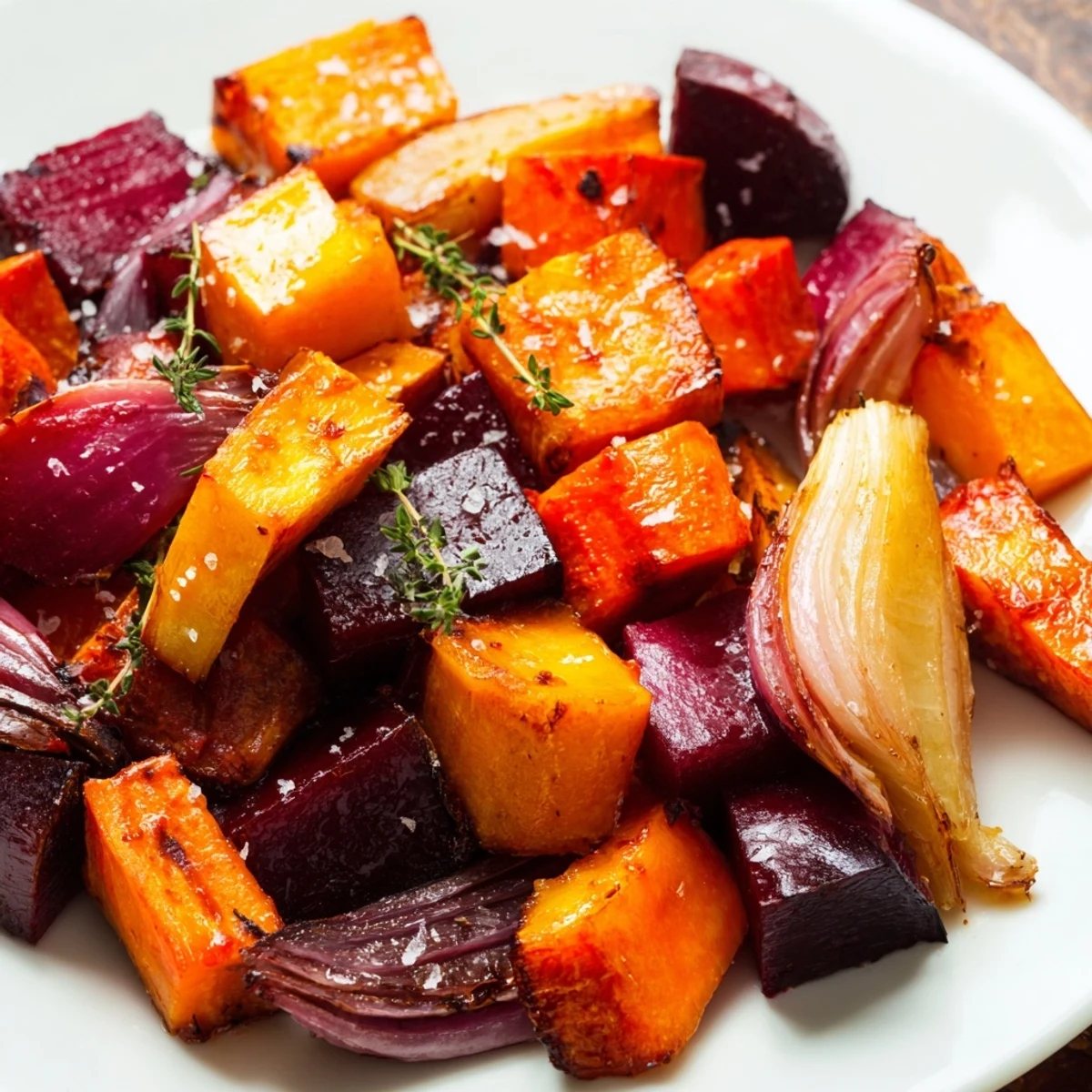
 These roasted root vegetables remind me that sometimes the simplest approach—good ingredients, proper heat, and timing—creates something memorable. Make this when you want to prove that vegetables deserve a place at the center of your table.
Recipe Questions
- → Can I use other vegetables?
-
Yes, you can easily swap in turnips, rutabaga, or regular potatoes depending on what is in season or your personal preference.
- → How do I store leftovers?
-
Store cooled leftovers in an airtight container in the refrigerator for up to 3-4 days. Reheat in the oven to maintain crispiness.
- → Is this dish vegan?
-
It is vegan if you use maple syrup instead of honey. Ensure your balsamic vinegar does not contain any added non-vegan ingredients.
- → What main course pairs well?
-
This pairs excellently with roasted chicken, pork tenderloin, or beef. It also works great alongside quinoa or as part of a grain bowl.
- → Can I prep this ahead?
-
You can peel and chop the vegetables a day in advance. Keep them submerged in water in the fridge to prevent browning, then dry and roast when ready.