
 Pin It
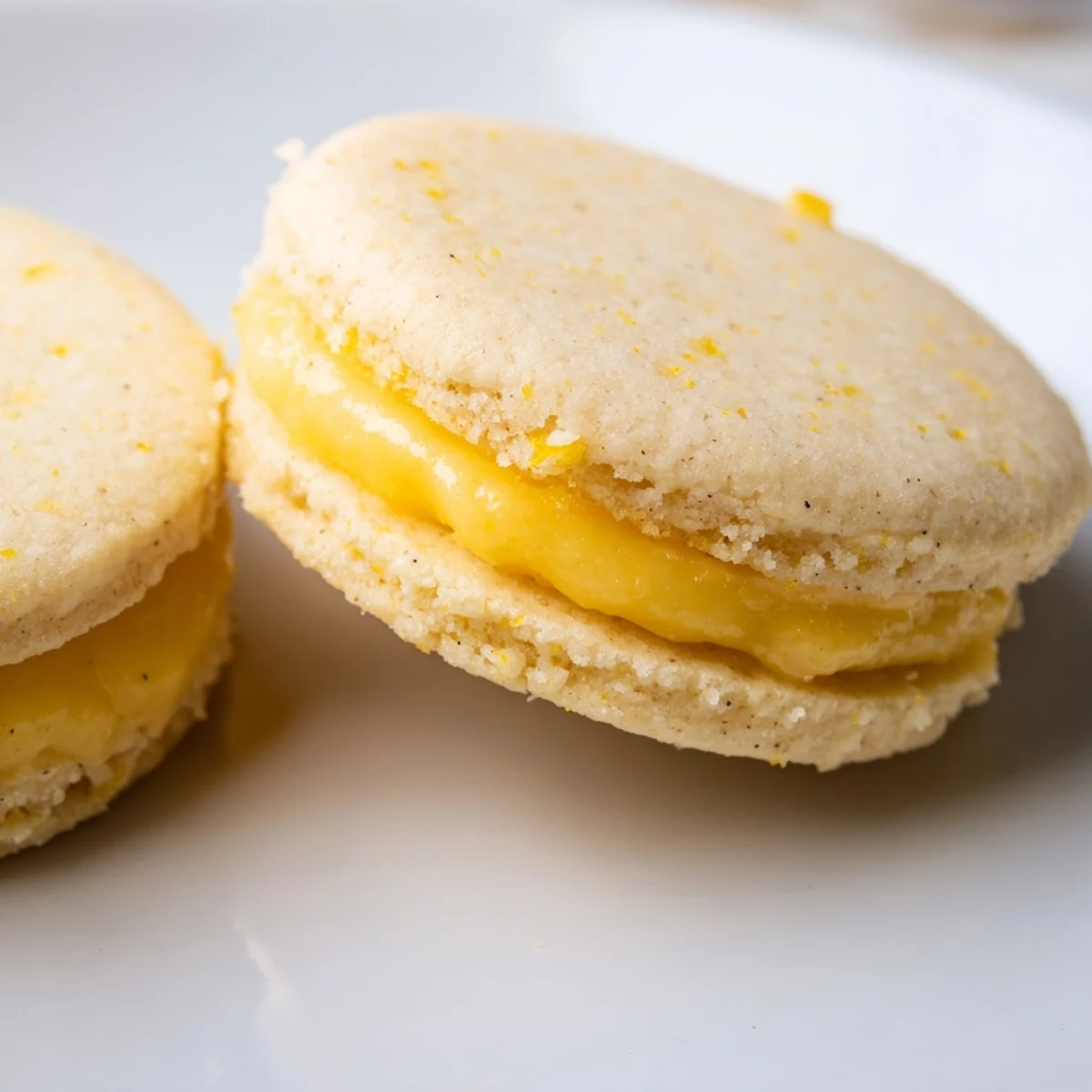
 Bright and refreshing lemon sandwich cookies featuring crisp gluten-free buttery cookies filled with a tangy, creamy lemon curd. These plant-based treats combine the perfect balance of sweet and tart flavors, with coconut oil creating a tender crumb and full-fat coconut milk lending richness to the curd. Ready in just over 40 minutes, these handheld delights are ideal for spring gatherings, afternoon tea, or whenever you crave something citrusy and satisfying.
The kitchen smelled like sunshine when I first attempted these lemon sandwich cookies. My roommate wandered in, following the citrus scent, and hovered by the oven until the first batch emerged golden and fragrant. We ate them warm with the curd still melting between the cookies, burning our tongues just enough to make it memorable.
Last summer I made these for a garden party, arranging them on a three-tiered stand like something from a fancy tea room. My friend Sarah, who insists she dislikes lemon desserts, reached for one just to be polite and ended up eating three while asking for the recipe. Now they are her most requested treat for birthdays.
Ingredients
- Gluten-free all-purpose flour blend: This creates the structure for the cookies, and I have learned that not all blends perform the same so stick with one that includes xanthan gum
- Almond flour: The almond flour adds a subtle nuttiness and tender crumb that pure gluten-free blends cannot replicate alone
- Coconut oil: Keep this solid and cold when you add it to the flour, working it in quickly so it does not melt until the cookies hit the oven
- Cane sugar: The sugar crystals create a slight crunch on the edges while sweetening the bold lemon flavor
- Lemon zest: This is where the real lemon intensity lives, so grate it finely and press it into the sugar to release the oils
- Fine sea salt: Salt is the secret weapon that makes the lemon flavor pop and prevents the cookies from tasting flat
- Baking powder and baking soda: This double-acting combination gives the cookies just enough lift without making them cakey
- Plant-based milk: Any unsweetened variety works here, just bring it to room temperature so it does not seize the coconut oil
- Fresh lemon juice: Use this straight from the lemon rather than bottled juice for the brightest, most authentic flavor
- Pure vanilla extract: Vanilla rounds out the sharp citrus notes and adds a comforting background flavor
- Fresh lemon juice for curd: You need about three to four lemons total to get enough juice for both the cookies and the curd
- Additional lemon zest: More zest in the curd deepens the lemon flavor and adds those beautiful yellow flecks
- Cornstarch: This thickens the curd into something spreadable rather than a runny sauce
- Full-fat coconut milk: The richness creates a velvety curd that mimics traditional egg-based versions perfectly
- Turmeric: Just a tiny pinch gives the curd that sunny yellow color without changing the flavor
- Vegan butter: This adds a luxurious finish to the curd and helps it set up beautifully
Instructions
- Preheat your oven:
- Set your oven to 350°F and line two baking sheets with parchment paper so the cookies do not stick
- Mix the dry ingredients:
- Combine both flours with sugar, lemon zest, salt, baking powder, and baking soda in a large bowl until evenly distributed
- Work in the coconut oil:
- Use a pastry cutter or fork to cut the solid coconut oil into the flour until the mixture looks like coarse crumbs with some pea-sized pieces remaining
- Combine the wet ingredients:
- Whisk the plant-based milk, lemon juice, and vanilla in a small bowl until fully blended
- Form the dough:
- Pour the wet mixture into the dry ingredients and stir gently until a soft dough comes together, being careful not to overwork it
- Shape the cookies:
- Roll the dough into 24 balls and flatten them to about one-quarter inch thickness on the prepared baking sheets
- Bake until golden:
- Bake for 10 to 12 minutes until the edges are just starting to turn golden brown, then transfer to wire racks to cool completely
- Start the lemon curd:
- Whisk together lemon juice, zest, sugar, and cornstarch in a saucepan until no lumps remain
- Add coconut milk:
- Pour in the coconut milk and add the turmeric if you want that bright yellow color
- Cook until thickened:
- Heat over medium heat while whisking constantly for 4 to 6 minutes until the mixture bubbles and thickens noticeably
- Finish the curd:
- Remove from heat and stir in the vegan butter and salt until smooth, then let it cool completely
- Assemble the sandwiches:
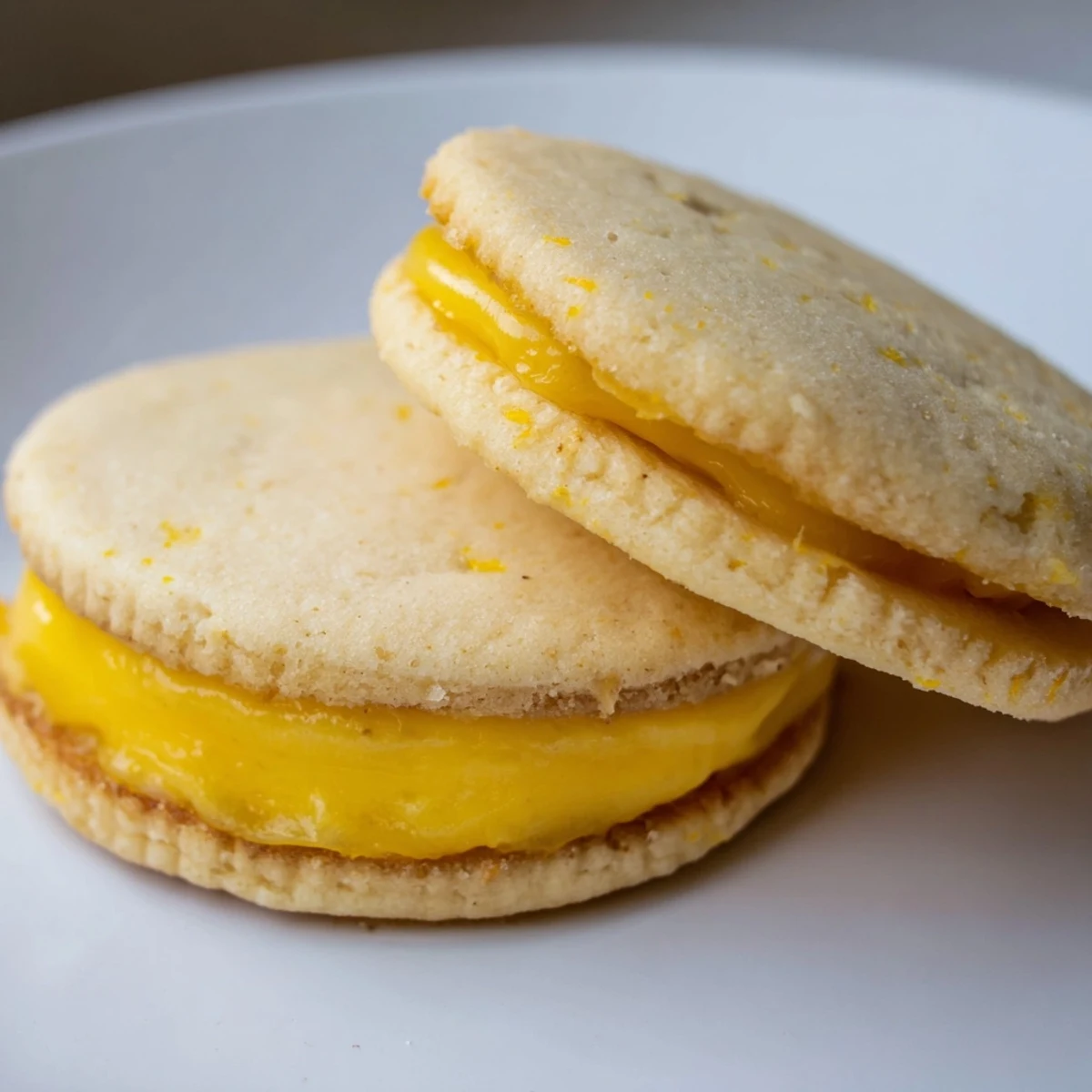
- Spoon about one tablespoon of curd onto the flat side of half the cookies and top with the remaining cookies to form sandwiches
- Chill to set:
- Refrigerate the assembled cookies for 10 to 15 minutes if you want the curd to firm up slightly before serving
 Pin It
 My aunt claimed she did not like desserts that were too sweet, so I made her these lemon sandwich cookies for Thanksgiving one year. She took one small bite, her eyes widened, and she immediately asked which ones she could take home in her purse.
Making The Lemon Curd Ahead
The curd keeps beautifully in the refrigerator for up to a week, and I actually think the flavors meld and improve after a day or two. I often make a double batch and use the extra on toast or stirred into oatmeal for an instant breakfast upgrade.
Getting The Cookie Texture Right
Gluten-free baking can be tricky, but these cookies are forgiving if you follow the measurements precisely. The key is not overworking the dough once the liquid is added, so mix just until everything comes together and no more.
Serving And Storage Tips
These cookies are best served chilled, which gives them a firmer texture and makes the lemon curd feel more like a creamy filling. Store them in an airtight container in the refrigerator for up to four days, though they rarely last that long in my house.
- Let the cookies come to room temperature for about 10 minutes before serving if you prefer a softer texture
- Sprinkle a little powdered sugar over the tops right before serving for an elegant finish
- Place a piece of parchment paper between layers if you need to stack them in a container
 Pin It
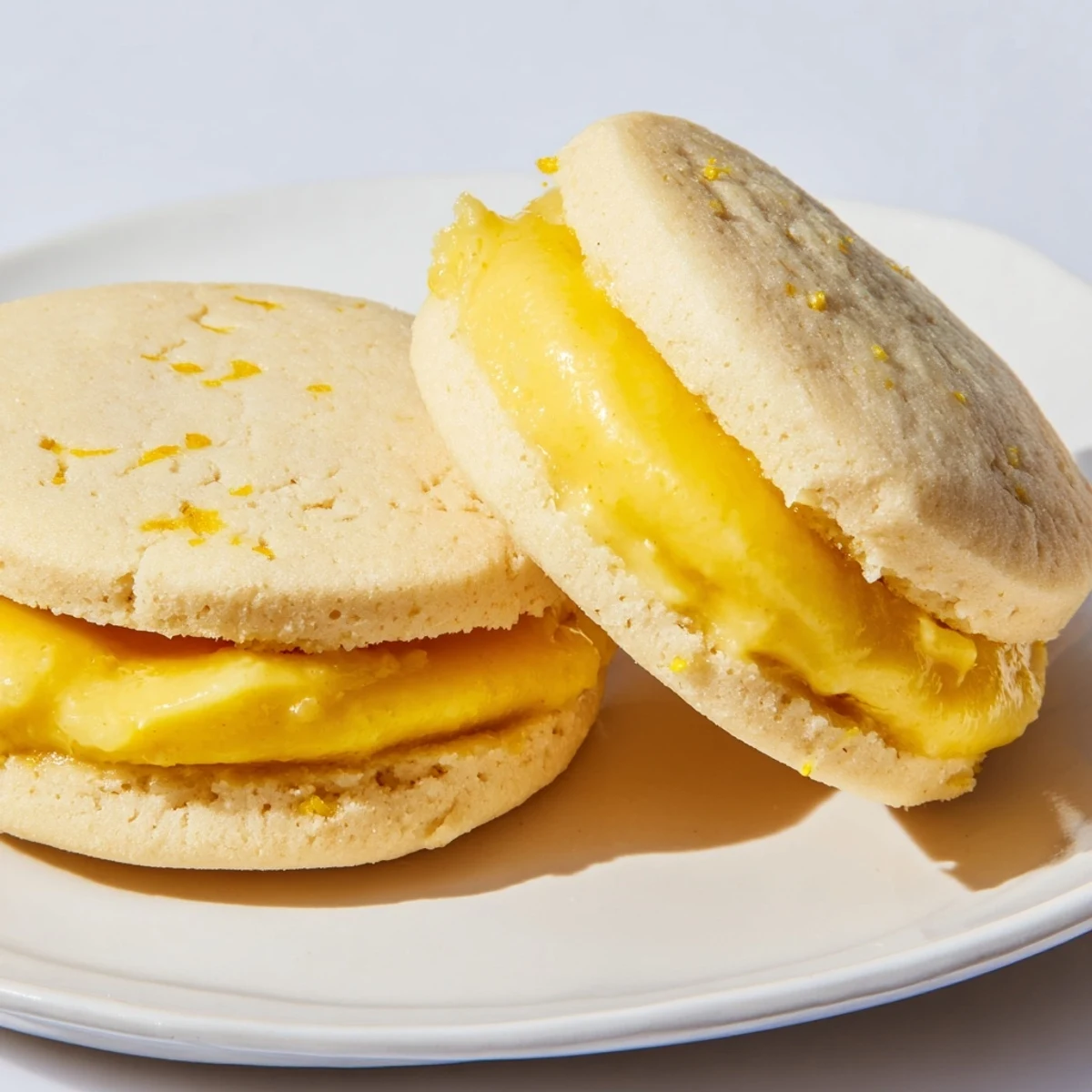
 These lemon sandwich cookies have become my go-to when I need something that feels special but does not require hours in the kitchen. Hope they brighten your day as much as they have mine.
Recipe Questions
- → Can I make these lemon cookies ahead of time?
-
Yes! You can prepare the cookie dough and lemon curd up to 2 days in advance. Store the dough balls in the refrigerator and bake when ready, or freeze baked cookies for up to 2 months. Assemble just before serving for the best texture.
- → What's the best way to achieve that bright yellow color in the curd?
-
The turmeric provides a natural golden hue without affecting flavor. For even more vibrant color, add a pinch more turmeric or a few drops of natural yellow food coloring. The lemon zest also contributes to the beautiful yellow appearance.
- → How do I know when the lemon curd is thick enough?
-
The curd is ready when it coats the back of a spoon and holds a line when you run your finger through it. It should bubble gently and reach a pudding-like consistency. Remember it will continue thickening as it cools to room temperature.
- → Can I use regular flour instead of gluten-free blend?
-
Absolutely! Substitute the gluten-free flour blend with an equal amount of all-purpose wheat flour. The texture will be slightly different—wheat flour typically yields a chewier cookie—but the flavor remains equally delicious.
- → What's the best way to store these sandwich cookies?
-
Keep assembled cookies in an airtight container in the refrigerator for up to 4 days. The cool temperature helps maintain the curd's texture. For longer storage, freeze unfilled cookies and thaw at room temperature before filling with freshly made or thawed curd.
- → Can I make these without almond flour for a nut-free version?
-
Yes! Replace the almond flour with an additional 1/2 cup of gluten-free flour blend. The cookies will be slightly less tender but still delicious. Just ensure your gluten-free blend doesn't contain almond or other nut flours.