
 Pin It
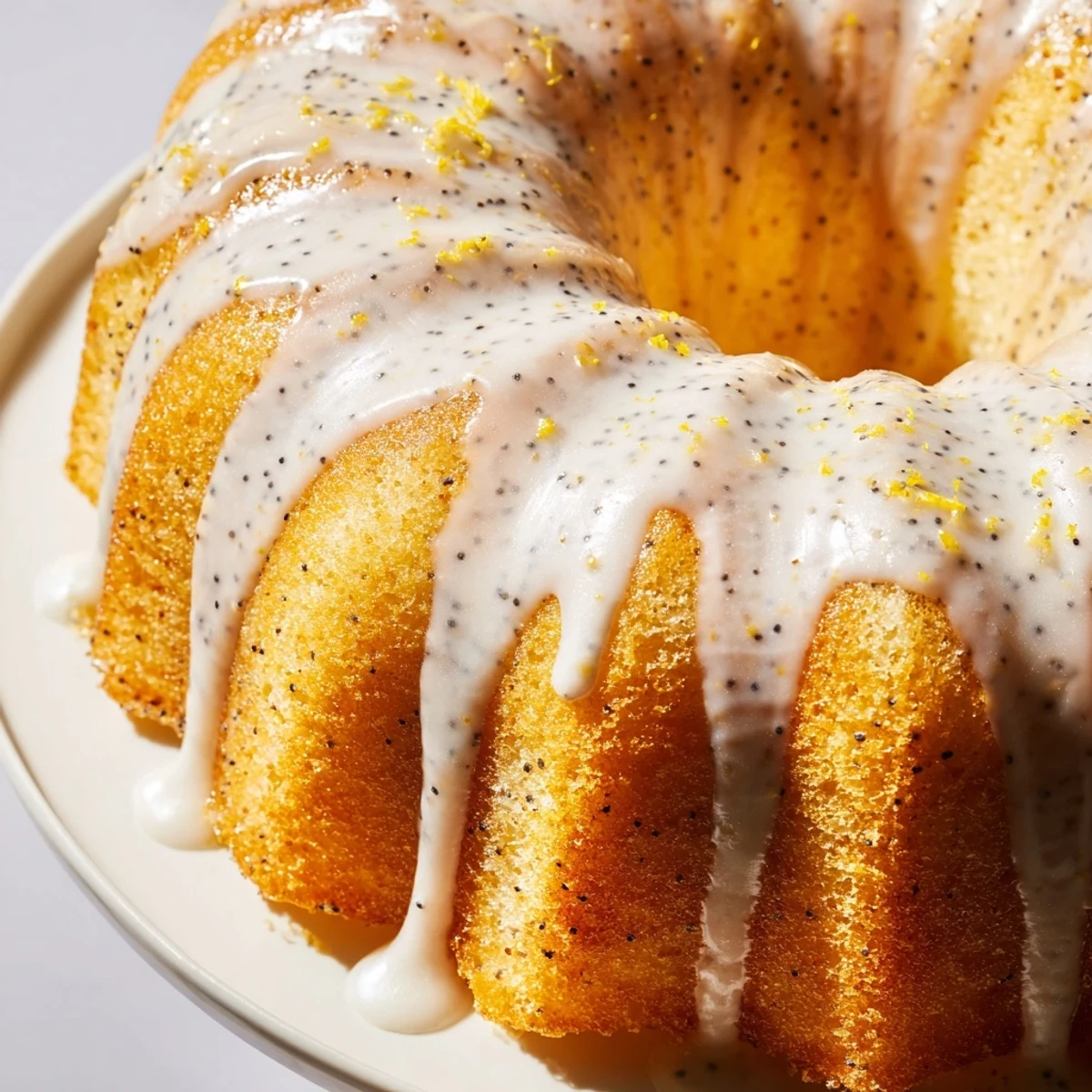
 This bright and citrusy bundt cake delivers a perfect balance of sweet and tangy flavors. The fresh lemon juice and zest infuse every bite with vibrant citrus notes, while poppy seeds add delightful texture throughout the tender crumb. A rich sour cream and butter base ensures the cake stays incredibly moist, and the finishing glaze adds an extra layer of lemony sweetness.
The preparation comes together in about 20 minutes, followed by 45 minutes of baking time. The batter alternates between dry ingredients and a combination of sour cream and milk, creating a tender texture that's neither too dense nor too light.
My grandmother kept a lemon tree outside her kitchen window, and I remember standing on a stool to reach the brightest yellow ones while she explained that the best desserts come from ingredients you can pluck fresh that morning. This bundt cake appeared at every summer birthday, her secret weapon for making something ordinary feel like a celebration without requiring hours of intricate work. The way the glaze catches the light still reminds me of those afternoon gatherings where coffee and conversation lasted longer than anyone expected.
Last spring I made this for a friend who swore she hated lemon desserts, something about artificial lemon flavoring from childhood birthday cakes that ruined her trust forever. Watching her take that first suspicious bite, then immediately reaching for a second piece, felt like a tiny victory for real ingredients everywhere. Now she asks for it specifically, which is the kind of kitchen win that keeps me baking.
Ingredients
- 2 3/4 cups all-purpose flour: The foundation of your cake, providing structure without being too dense
- 1 1/2 teaspoons baking powder and 1/2 teaspoon baking soda: These work together to give your cake that perfect lift and tender crumb
- 1/2 teaspoon salt: Essential for balancing and brightening all the flavors
- 3 tablespoons poppy seeds: These tiny seeds add this subtle crunch and slight nuttiness that makes every bite interesting
- 1 cup unsalted butter, softened: Use real butter here, it creates that rich flavor and tender texture you cannot get from anything else
- 2 cups granulated sugar: Sweetens the cake while also helping create that lovely golden crust
- 4 large eggs: These provide structure and richness, so make sure they are at room temperature for proper incorporation
- 1/4 cup fresh lemon juice and 1 tablespoon lemon zest: The zest carries the essential oils where most of the lemon flavor lives, while the juice adds acidity to balance the sweetness
- 1 teaspoon vanilla extract: Rounds out the sharpness of the lemon with warm undertones
- 1 cup sour cream: This is the secret ingredient for moisture and tenderness, creating that velvety crumb that keeps people guessing
- 1/4 cup whole milk: Thins the batter just enough to reach the right consistency for pouring into your bundt pan
- 1 1/2 cups powdered sugar, sifted: For the glaze, sifting prevents those annoying lumps that ruin the smooth finish
- 2 to 3 tablespoons fresh lemon juice and 1 teaspoon lemon zest: These transform the powdered sugar into a tangy, pourable glaze that drips beautifully down the sides
Instructions
- Preheat your oven to 350°F and generously grease your bundt pan:
- Every nook and cranny needs attention because nothing ruins your day like a beautiful cake that sticks when you try to turn it out
- Whisk together the dry ingredients in one bowl:
- Combine the flour, baking powder, baking soda, salt, and poppy seeds so they are evenly distributed before you start mixing anything else
- Cream the butter and sugar until they are light and fluffy:
- This takes about three full minutes on medium-high speed, and do not rush this step because it is what creates the tender texture
- Add the eggs one at a time:
- Beat each egg completely before adding the next, then mix in the lemon juice, zest, and vanilla until everything is incorporated
- Alternate adding the flour mixture and the dairy:
- Start and end with the flour, mixing on low speed just until combined because overmixing will make your cake tough instead of tender
- Pour and smooth the batter:
- Spoon everything into your prepared bundt pan, smooth the top with a spatula, and tap the pan gently on the counter to release any air bubbles
- Bake until a skewer comes out clean:
- This takes 45 to 50 minutes, but start checking at the 45 minute mark because ovens vary and you do not want to dry it out
- Let the cake cool briefly in the pan:
- Fifteen minutes gives it enough structure to hold its shape when you turn it out onto a wire rack to finish cooling completely
- Prepare the glaze while the cake cools:
- Whisk the sifted powdered sugar with lemon juice and zest until it reaches a consistency that drips slowly off the spoon but is not too runny
- Glaze and let set before serving:
- Pour the glaze slowly over the completely cooled cake, letting it cascade down the sides, then wait about twenty minutes for it to firm up before you slice
 Pin It
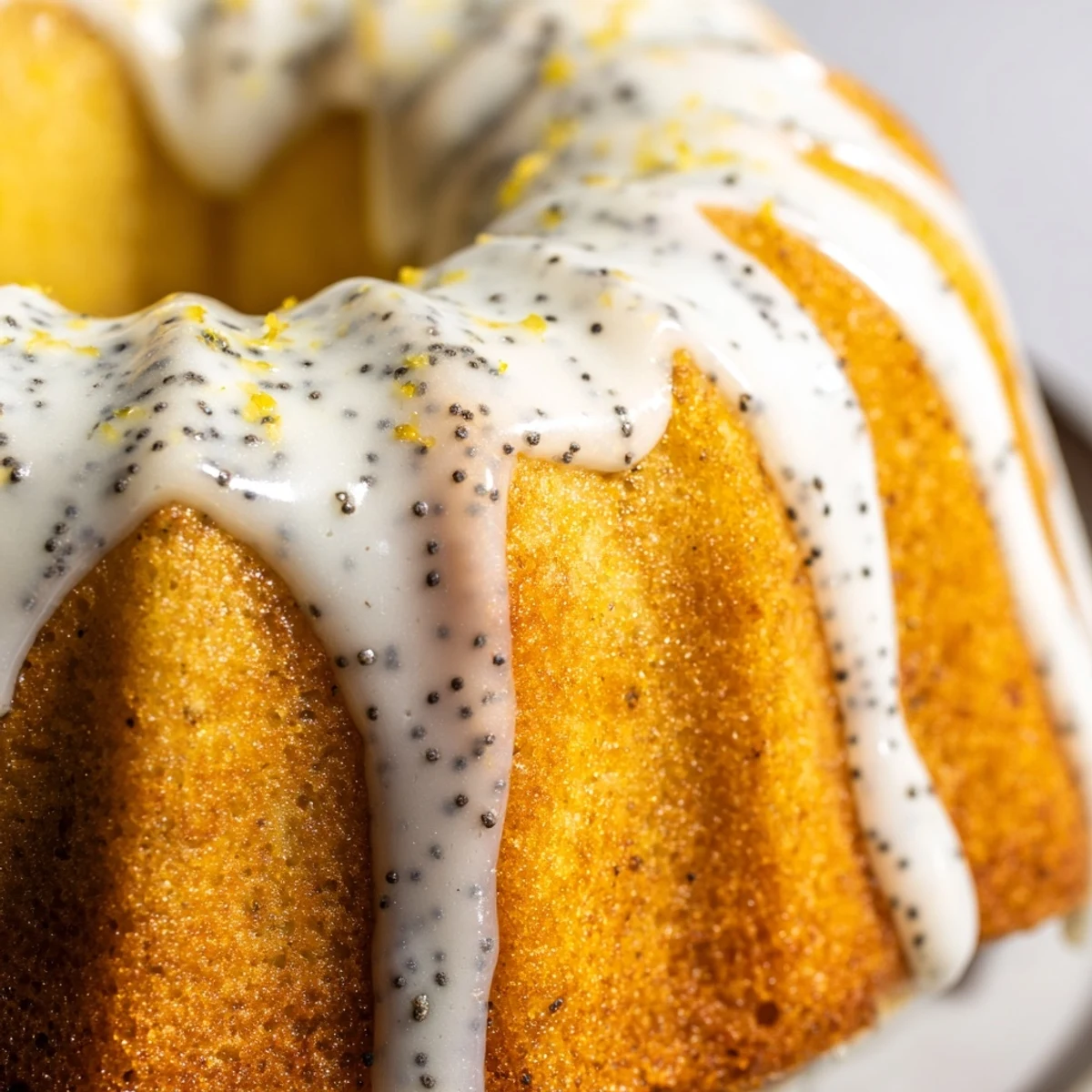
 There is something deeply satisfying about the way this cake looks sitting on a cake stand, the glaze catching the afternoon light while the poppy seeds speckle through each slice like tiny surprises. It has become my go-to for occasions that call for something special but not fussy, the kind of dessert that makes people feel taken care of without ever knowing how simple it was to put together.
Getting That Perfect Bundt Shape
The difference between a cake that releases beautifully and one that sticks stubbornly comes down to how thoroughly you grease that pan. I learned this lesson the hard way, using nonstick spray alone and ending up with chunks still clinging to the crevices. Now I use butter and flour, getting into every single curve and detail, which feels tedious until you watch the whole cake slide out in one perfect piece.
Making It Ahead
This cake actually tastes better on day two because the lemon flavor has time to mellow and distribute throughout the crumb. I bake it the evening before, wrap it tightly once it is completely cool, and glaze it the next day so it looks freshly made. The texture stays moist and the glaze stays glossy, which is the kind of kitchen magic that makes entertaining feel effortless.
Troubleshooting Common Problems
If your glaze is too thick, add lemon juice one teaspoon at a time until it flows freely but still coats the back of a spoon. Too thin and it will run right off the cake instead of creating those lovely drips.
- Check your oven temperature with an external thermometer if your cakes consistently come out uneven or underdone in the center
- Let the cake cool completely before glazing or the glaze will soak in instead of forming that beautiful white coating on top
- Zest your lemons before juicing them, much harder to get zest from a squeezed lemon
 Pin It
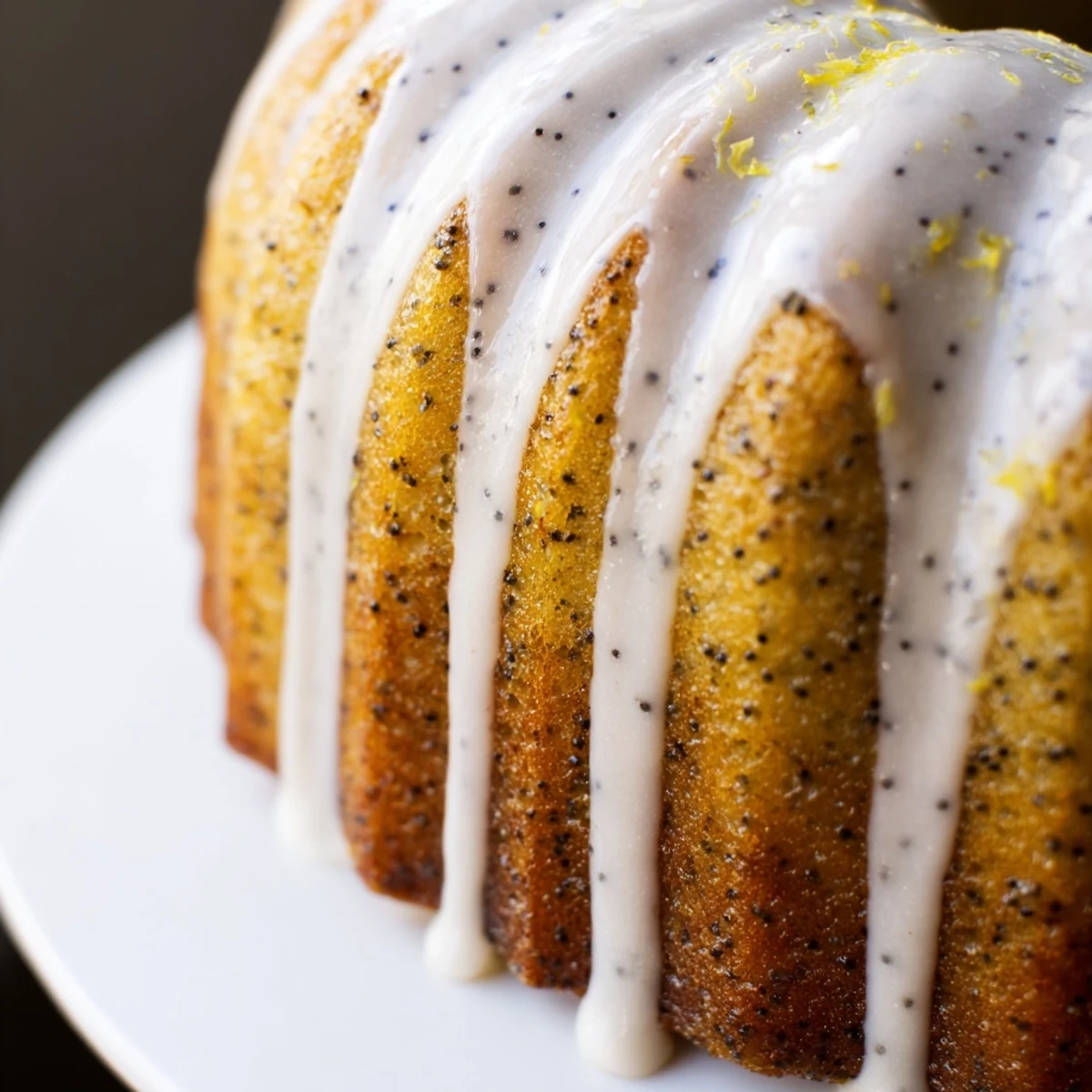
 Every time I pull this cake from the oven, that bright lemon scent fills the whole house and reminds me why simple recipes passed down through generations still have so much to teach us about feeding people well.
Recipe Questions
- → Can I make this cake ahead of time?
-
Yes, this bundt cake keeps beautifully at room temperature for up to 3 days when covered. The flavors actually develop and intensify after a day. You can also freeze the unglazed cake for up to 3 months and add the glaze after thawing.
- → What's the best way to get the bundt cake out of the pan cleanly?
-
Thoroughly grease and flour your bundt pan, paying special attention to all the crevices and curves. Let the cake cool in the pan for exactly 15 minutes after baking—this allows it to set slightly but still release easily. Gently shake the pan to loosen, then invert onto a wire rack.
- → Can I use bottled lemon juice instead of fresh?
-
Fresh lemon juice provides superior flavor and brightness that bottled versions can't match. For the best results, use freshly squeezed juice. You'll need about 2-3 medium lemons to get enough juice for both the cake and glaze.
- → Why is my bundt cake dense or dry?
-
Overmixing the batter can create a dense texture—mix just until combined after adding the flour. Using cold ingredients can also affect the outcome, so ensure your butter, eggs, sour cream, and milk are all at room temperature before beginning.
- → Can I substitute the sour cream?
-
Greek yogurt makes an excellent substitute for sour cream in equal amounts. Full-fat Greek yogurt provides similar moisture and tang. Plain yogurt can also work, though the texture may be slightly lighter.
- → How do I know when the cake is done baking?
-
Insert a wooden skewer or cake tester into the center of the cake—if it comes out clean or with just a few moist crumbs, the cake is ready. The edges should also pull away slightly from the pan, and the top should spring back when gently pressed.