
 Pin It
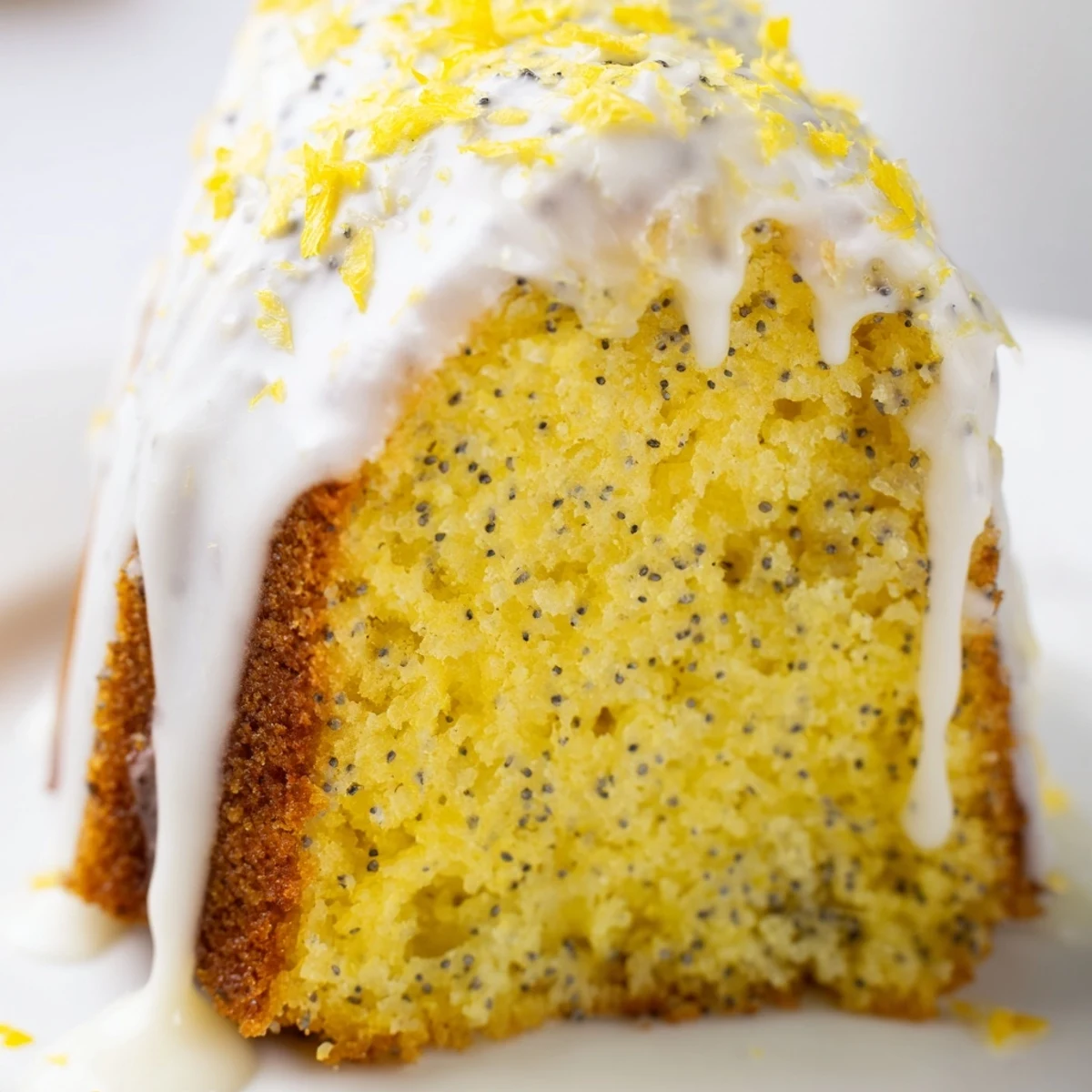
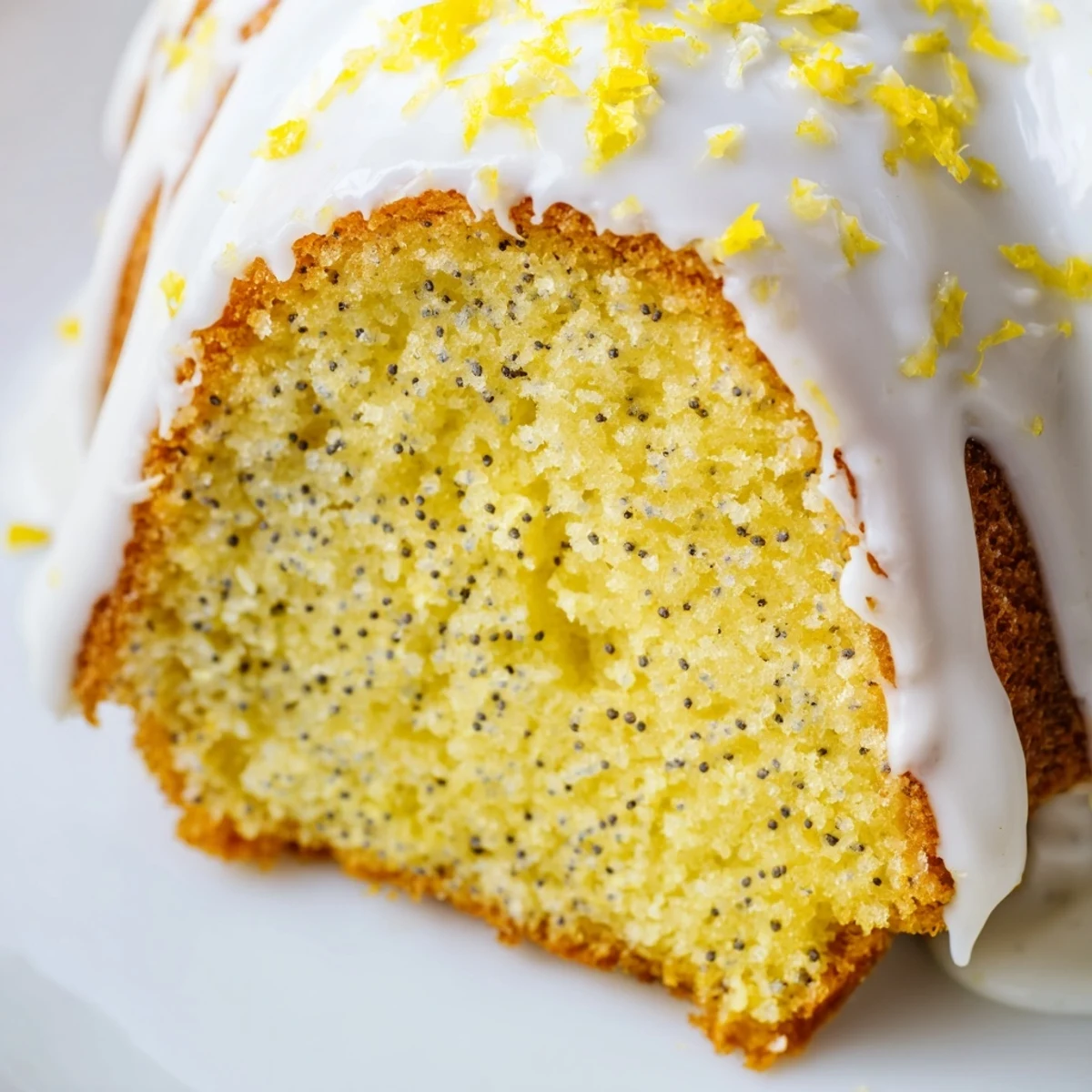
 This moist bundt cake highlights bright lemon zest and juice infused throughout a tender crumb dotted with crunchy poppy seeds. Creamy butter and buttermilk create a rich texture while baking to golden perfection in a bundt pan. The finishing touch is a tangy lemon glaze that adds a shiny, zesty layer balancing sweetness with citrus brightness. Ideal for sharing, this cake pairs wonderfully with fresh berries and is a delightful treat for any occasion.
I discovered this lemon poppy seed cake on a gray afternoon when my neighbor brought one over, still warm from her oven, and I couldn't stop eating slices until dinner time. The brightness of the lemon cut through every bite in the most unexpected way, and those tiny poppy seeds gave it a texture I'd never experienced before. That night, I found myself in my own kitchen trying to recreate it, armed with her vague description and pure stubbornness. Now it's become my go-to cake for every season, somehow fitting spring gatherings and winter coffee breaks equally well.
The first time I made this successfully, I served it at a book club meeting and watched people come back for seconds without asking for the recipe first—they just wanted to taste it again. My friend Sarah asked if I'd added almond extract because the flavor was so complex, and I hadn't, but her suggestion made me curious enough to try it next time. That moment taught me that sometimes the simplest recipes are the ones people remember most.
Ingredients
- All-purpose flour (3 cups): This is your structure, so don't swap it out for cake flour unless you want something more delicate—I've learned the hard way that all-purpose gives you that perfect tender crumb.
- Baking powder and baking soda (2½ tsp and ½ tsp): They work together to lift the cake gently without making it cakey or dense, which is the whole magic.
- Poppy seeds (2 tbsp): These tiny seeds are what make people stop mid-bite and wonder what they're tasting—don't skip them or reduce them.
- Unsalted butter and granulated sugar (1 cup and 2 cups): Creaming these together is where the lightness comes from, so don't rush it; take the full 3–4 minutes.
- Eggs at room temperature (4 large): Cold eggs won't incorporate properly, and you'll end up with a denser cake than you wanted.
- Lemon zest and fresh lemon juice (1 tbsp zest and ⅓ cup juice): Fresh is non-negotiable here—bottled juice tastes flat and misses the whole point of this cake.
- Buttermilk at room temperature (1 cup): It keeps the cake tender and adds a subtle tang that makes the lemon sing.
- Vanilla extract (2 tsp): This rounds out the flavor so the lemon doesn't taste one-dimensional.
- Powdered sugar for the glaze (1½ cups, sifted): Sifting matters here because lumps will ruin your smooth, pourable glaze.
Instructions
- Set yourself up for success:
- Preheat your oven to 350°F and grease that bundt pan thoroughly—I mean every crevice and corner, because nothing breaks your heart like a cake that sticks. Get your eggs, buttermilk, and butter sitting on the counter now so they warm up while you gather everything else.
- Build your dry foundation:
- Whisk flour, baking powder, baking soda, salt, and those poppy seeds together in a medium bowl. This ensures the leavening is distributed evenly, which is how you get that consistent, tender crumb throughout.
- Cream butter and sugar until fluffy:
- This takes about 3–4 minutes on medium speed, and you'll see the mixture transform from grainy to pale and voluminous. This is where you're trapping air, which becomes the lift in your finished cake.
- Add eggs one at a time:
- Beat well after each egg so they incorporate fully—rushing this step means you'll end up with a cake that's slightly separated inside. Mix in the lemon zest and vanilla after the eggs are all in.
- Prepare the wet mixture:
- Combine buttermilk and lemon juice in a small bowl and let it sit for a minute—it'll thicken slightly, which is exactly what you want.
- Alternate wet and dry ingredients:
- This is crucial: start with flour, then buttermilk, then flour, then buttermilk, ending with flour. Keep the mixer on low and stop as soon as everything is combined—overmixing is the enemy of tender cake.
- Pour and bake:
- Transfer the batter to your prepared pan, smooth the top gently with a spatula, and slide it into the oven. You're looking for 40–45 minutes, or when a toothpick inserted in the center comes out clean—don't overbake or it'll dry out.
- Cool with patience:
- Let the cake sit in the pan for 15 minutes (this helps it set and release cleanly), then turn it out onto a wire rack to cool completely. Rushing this is tempting but will result in a crumbly glaze situation.
- Make the glaze:
- Whisk powdered sugar, lemon juice, and lemon zest until smooth and pourable—you're aiming for something that drips slowly off a spoon. Add more juice if it's too thick, or more sugar if it's too thin.
- Finish and serve:
- Once the cake is completely cool, drizzle that glaze over the top in whatever pattern makes you happy. Let it set for a few minutes before slicing.
 Pin It
 I made this cake for my sister's birthday in the middle of winter, and something about serving bright, citrusy cake while snow fell outside felt like a small rebellion against the season. She closed her eyes after the first bite, and that's when I knew I'd finally gotten it right—when food makes someone pause like that.
Why This Cake Never Gets Boring
What strikes me most about this recipe is how it adapts to your mood without losing its identity. On a quiet morning with coffee, it tastes elegant and understated. At a summer gathering with berries scattered around, it becomes something celebratory. The lemon stays the star, but the cake's personality shifts depending on when and how you serve it, which is the mark of a truly good recipe.
The Glaze Makes All the Difference
The glaze is what transforms this cake from homemade-and-good into something that looks like it came from a bakery. It's not difficult—just powdered sugar, lemon juice, and zest whisked together—but it's the thing people notice first, and it adds another layer of bright flavor that ties everything together. I've experimented with different glaze ratios, and the key is hitting that sweet spot between too thick (which won't drip) and too thin (which slides right off).
Storage and Make-Ahead Options
One of my favorite things about this cake is that it stays fresh for days, which gives you permission to bake it whenever you want without worrying about it going stale by the time you serve it. I've wrapped it in plastic wrap and left it on the counter for three days without any decline in moisture or flavor, which is rare for cakes. You can even bake it the day before, glaze it in the morning, and feel like you have your life together.
- For an almond twist, add ½ tsp almond extract to the batter alongside the vanilla and watch people try to figure out what you did differently.
- Fresh berries on the side make it feel summery even in winter, and they cut through the richness beautifully.
- If you're making this for someone with a dairy allergy, coconut oil and plant-based milk can work, though the texture will shift slightly.
 Pin It
 This cake has become my answer to so many occasions because it feels personal without being complicated. Every time I make it, I think of that neighbor's warm cake on my doorstep, and somehow this version feels like it's become its own story.
Recipe Questions
- → What makes this bundt cake moist?
-
Buttermilk adds tenderness and moisture, while creamed butter and sugar create a light, fluffy texture.
- → How do poppy seeds affect the flavor and texture?
-
Poppy seeds provide a subtle nutty crunch that contrasts nicely with the soft cake crumb and lemon zing.
- → Can I use fresh lemon juice and zest together?
-
Yes, the zest provides aromatic oils while fresh juice contributes bright acidity, enhancing the overall lemon flavor.
- → What is the best way to ensure an even bake in a bundt pan?
-
Grease and flour the pan thoroughly, then fill evenly and bake until a toothpick comes out clean to ensure proper cooking.
- → How should I store this cake after glazing?
-
Keep the cake tightly wrapped at room temperature for up to three days to maintain freshness and moisture.