
 Pin It
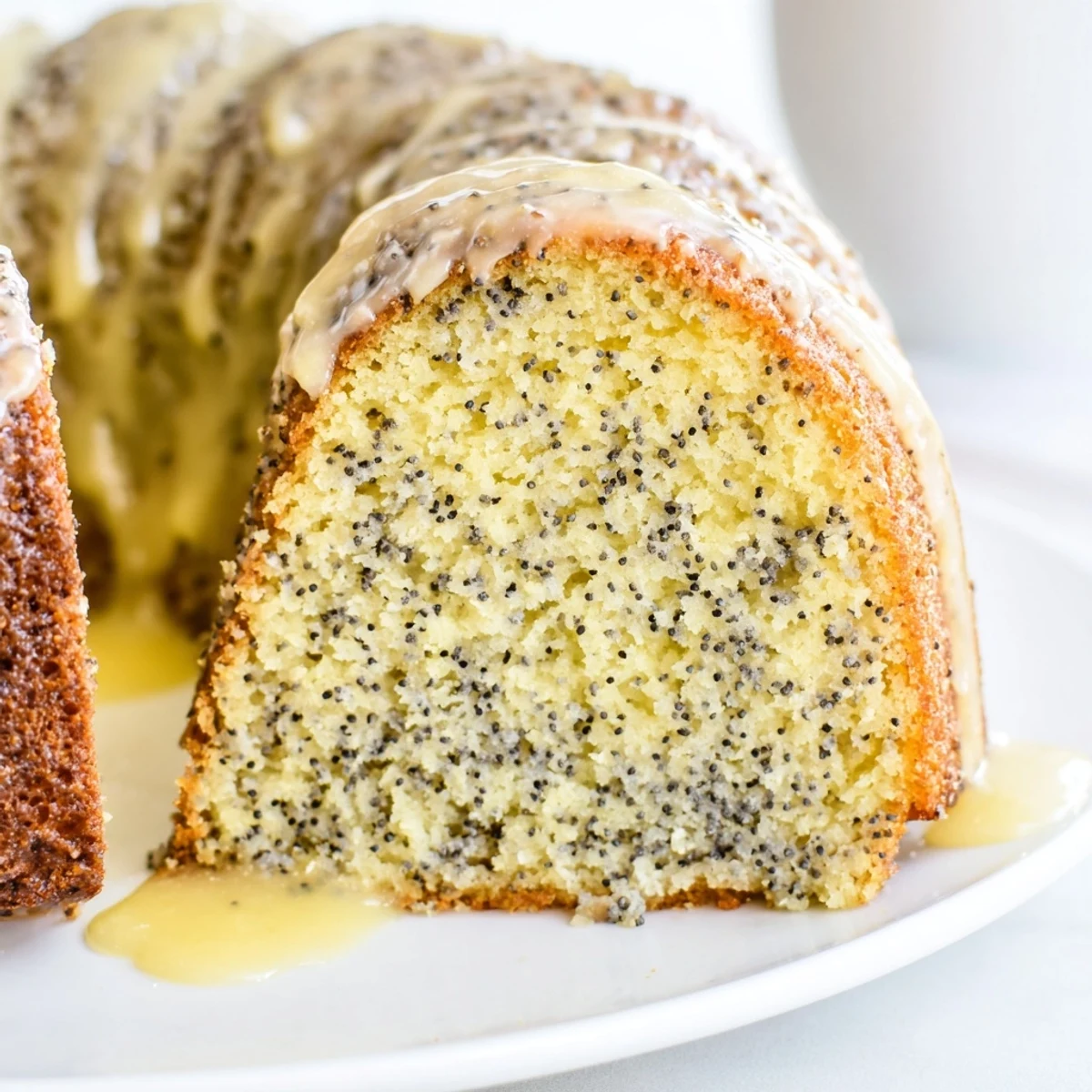
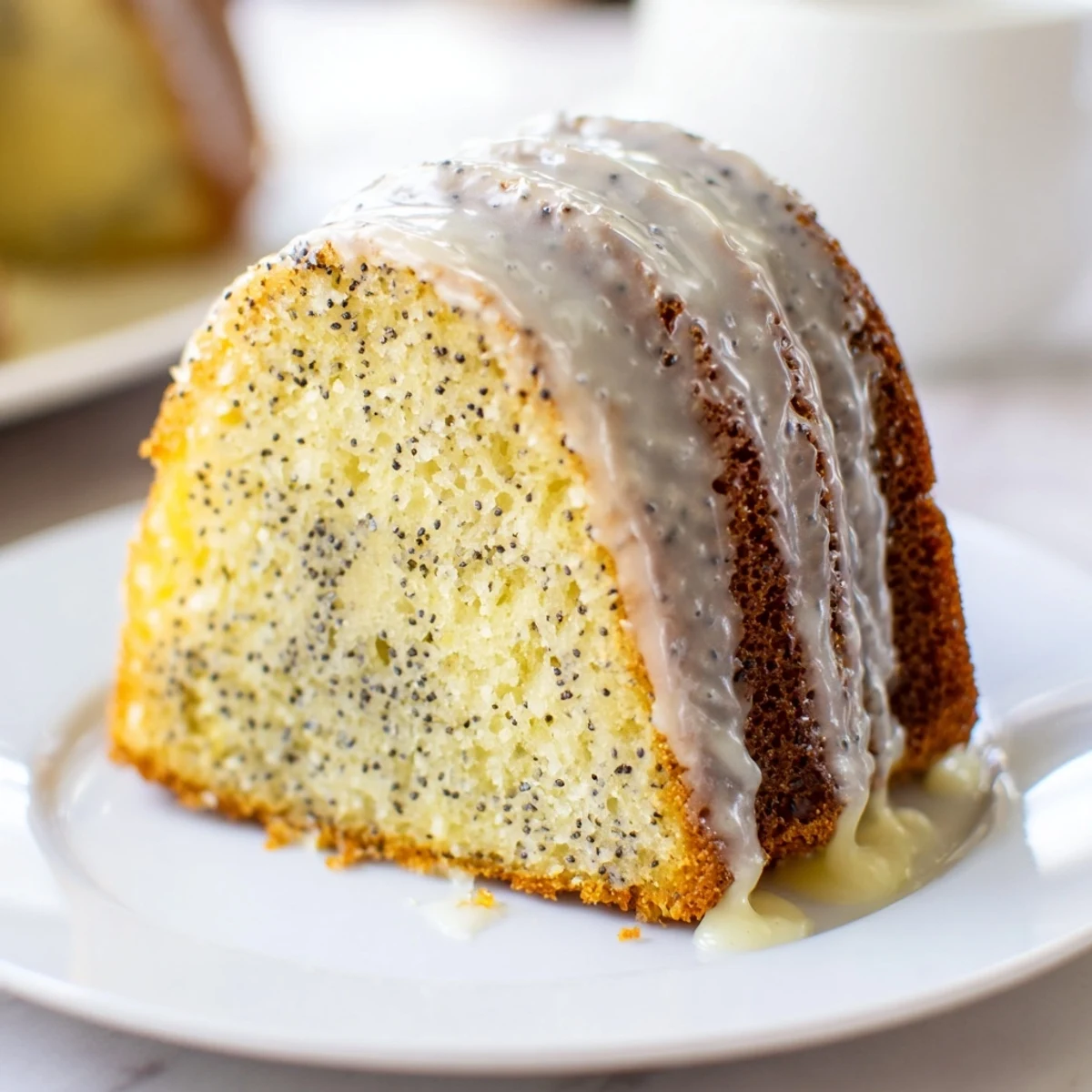
 This lemon Bundt combines fresh lemon zest and juice with poppy seeds for a tender crumb and subtle crunch. Creamy butter and sour cream create moistness while eggs add richness. A smooth lemon glaze finishes with a perfect balance of sweet and tangy brightness. Baking in a Bundt pan gives it a distinctive shape ideal for special occasions or afternoon tea. Cool the cake before glazing for best results. Variations include using Greek yogurt for extra tang or serving with fresh berries or whipped cream.
I baked this cake on a gray Sunday when the kitchen felt too quiet. The smell of lemon zest hit the air before I even turned on the mixer, and suddenly the whole afternoon shifted. By the time it came out of the oven, golden and cracked along the top, I knew I'd make it again.
I brought this to a friend's house once, still warm in a foil-wrapped dish. She sliced into it before I could even sit down, and we ended up eating three pieces each while standing at the counter. It's the kind of cake that makes people linger in the kitchen.
Ingredients
- All-purpose flour: Gives the cake its soft, tender crumb without weighing it down.
- Poppy seeds: They don't add much flavor, but the texture is quietly essential.
- Baking powder and baking soda: The combo lifts the batter just enough without making it airy or dry.
- Unsalted butter: Use it softened, not melted, or the texture won't be right.
- Granulated sugar: Creams beautifully with butter and keeps the cake moist for days.
- Eggs: Room temperature eggs blend in smoothly and help the batter rise evenly.
- Lemon zest: This is where the flavor lives, use a microplane and don't skip it.
- Fresh lemon juice: Bottled juice tastes flat, fresh juice makes the cake sing.
- Sour cream: Adds richness and a slight tang that balances the sweetness.
- Vanilla extract: Just a backdrop, but it rounds out the lemon without competing.
- Powdered sugar: Sift it or the glaze will have lumps.
Instructions
- Prepare the pan:
- Grease every groove of the Bundt pan with butter, then dust it with flour and tap out the excess. This step matters more than you think.
- Mix the dry ingredients:
- Whisk the flour, poppy seeds, baking powder, baking soda, and salt together in a bowl. Set it aside while you work on the wet ingredients.
- Cream the butter and sugar:
- Beat them together until the mixture looks pale and fluffy, it should take about four minutes. Don't rush this, it builds the structure.
- Add the eggs:
- Crack them in one at a time, beating well after each one. Stir in the lemon zest and vanilla until everything smells bright and sweet.
- Stir in the lemon juice and sour cream:
- The batter might look a little curdled, but that's normal. Just keep mixing gently until it smooths out.
- Fold in the dry ingredients:
- Add them gradually and mix only until you stop seeing streaks of flour. Overmixing makes the cake tough.
- Fill the pan and bake:
- Pour the batter into the prepared pan and smooth the top lightly. Bake at 350°F for 45 to 50 minutes, until a toothpick comes out clean.
- Cool and invert:
- Let the cake rest in the pan for 15 minutes, then turn it out onto a wire rack. If it sticks, run a thin knife around the edges first.
- Make the glaze:
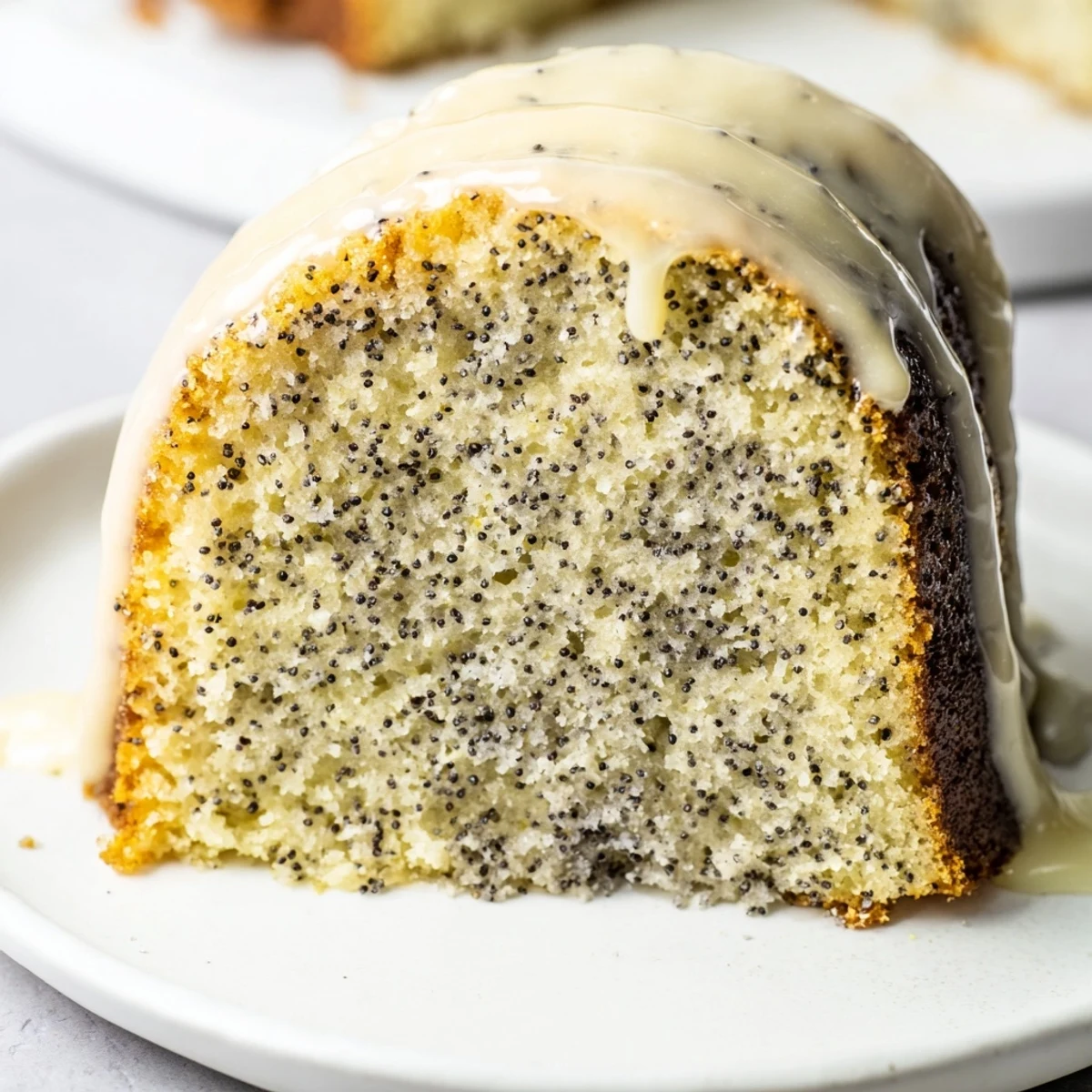
- Whisk powdered sugar, lemon juice, and zest until smooth and pourable. Drizzle it over the completely cooled cake and let it set for 10 minutes.
 Pin It
 The first time I made this, I sliced into it too soon and the glaze pooled at the bottom of the plate. I didn't care, it still tasted perfect with coffee on a rainy morning, and I learned to wait next time.
Storing and Serving
This cake keeps well covered at room temperature for up to three days, and honestly it gets better as the glaze soaks in. I like it best on the second day, when the edges have softened and the lemon flavor has settled into every bite.
Swaps and Adjustments
Greek yogurt works in place of sour cream if that's what you have, and you can add half a teaspoon of lemon extract if you want the flavor even bolder. I've done both and the cake still turns out tender and bright.
What to Serve It With
A handful of fresh berries on the side cuts through the sweetness, and whipped cream makes it feel like a celebration. I usually just serve it plain with tea, because it doesn't need much help.
- Dust the top with extra powdered sugar if the glaze feels too thin.
- Warm a slice for ten seconds in the microwave and the butter scent comes back.
- Use a serrated knife to slice cleanly through the glaze without tearing the cake.
 Pin It
 This cake has a way of turning an ordinary afternoon into something worth remembering. I hope it does the same for you.
Recipe Questions
- → What gives the cake its lemon flavor?
-
Fresh lemon zest and lemon juice combined in both the batter and glaze provide a bright, tangy citrus flavor.
- → How do poppy seeds affect the texture?
-
Poppy seeds add a subtle crunch that contrasts nicely with the tender, moist crumb.
- → Can I substitute sour cream with something else?
-
Yes, Greek yogurt can be used instead of sour cream to maintain moistness and add a slight tang.
- → What is the best pan to use for this cake?
-
A 10-cup Bundt pan is recommended to achieve the classic shape and even baking.
- → How do I know when the cake is done baking?
-
Insert a toothpick into the center; it should come out clean or with a few moist crumbs attached.
- → How should the glaze be applied?
-
Once the cake is completely cooled, drizzle the lemon glaze evenly over the top and let it set before serving.