
 Pin It
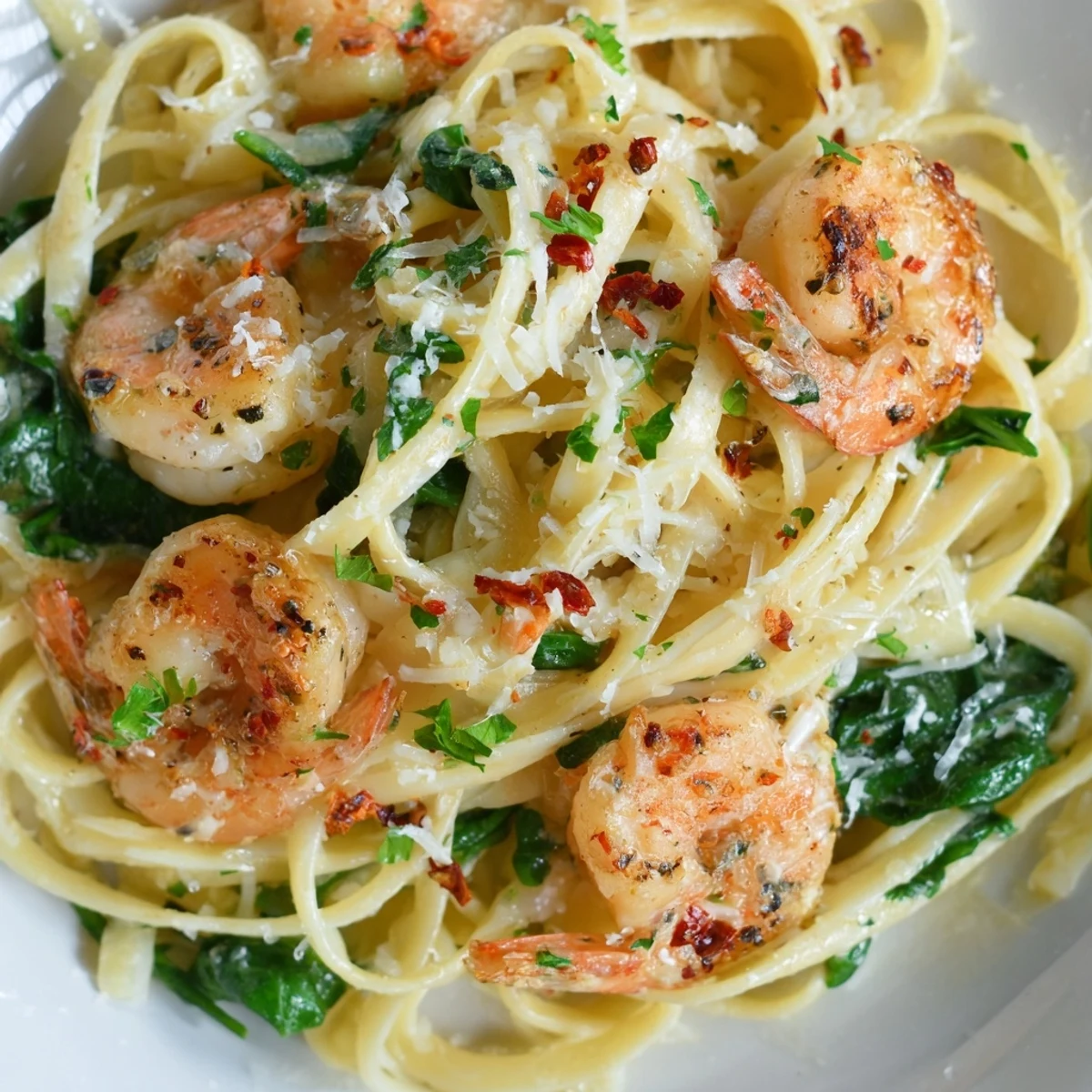
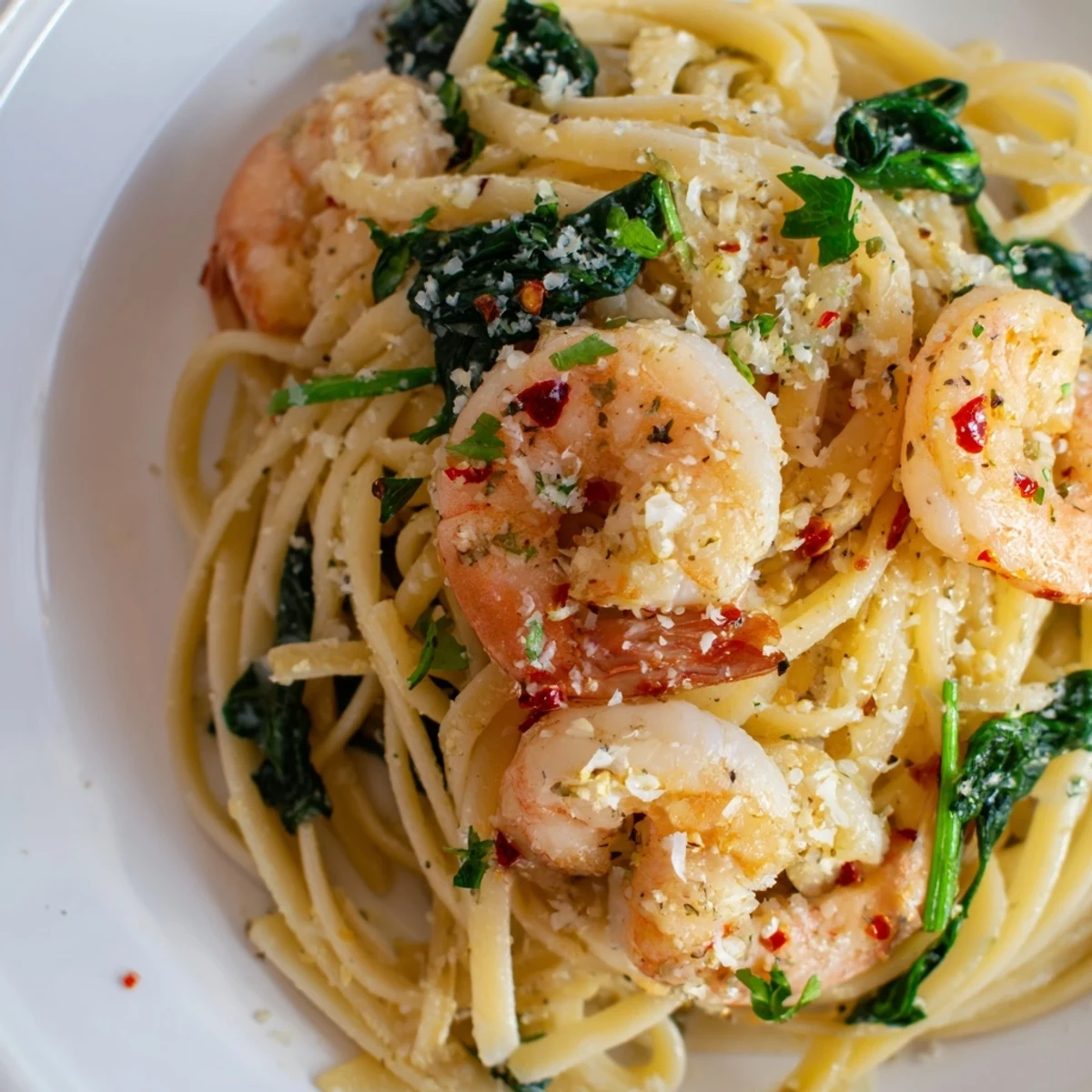
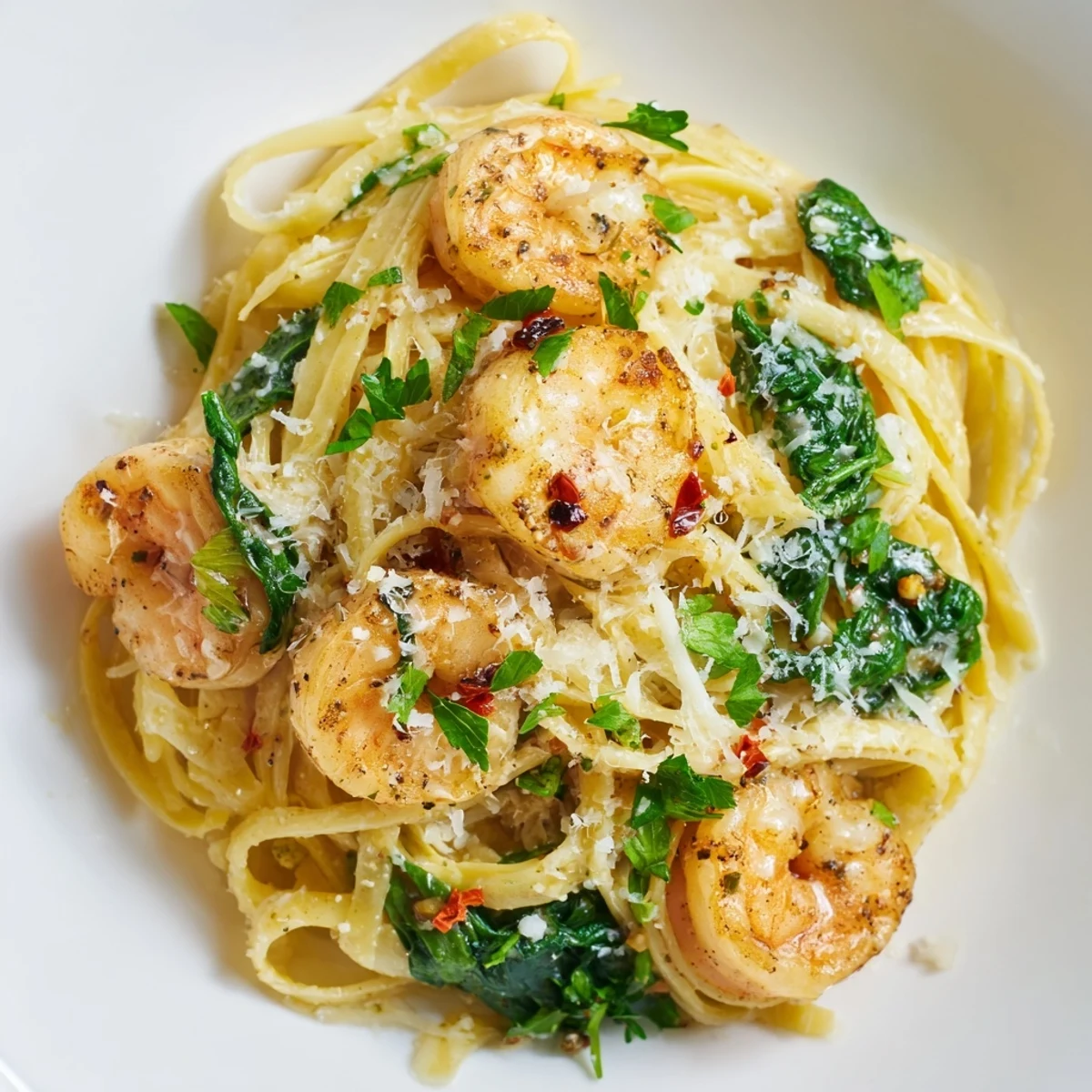
 This vibrant dish features shrimp cooked to tender perfection with garlic, combined with fresh baby spinach and tossed in a bright lemon sauce. Served over linguine or spaghetti, it offers a perfect balance of zesty citrus and savory flavors, coming together quickly in about 30 minutes for an elegant, easy dinner. Garnished with Parmesan and parsley, it’s ideal for a light yet satisfying main course.
There's something about the smell of garlic hitting hot oil that makes me pause everything I'm doing. One Tuesday evening, I was rushing through dinner prep when I sautéed shrimp for the first time in this particular way, and the kitchen filled with this incredible aroma that stopped me mid-motion. My partner wandered in asking what smelled so good, and suddenly what was meant to be a quick weeknight meal became this moment of shared anticipation. That's when I knew this lemon garlic shrimp pasta had to become a regular thing.
I made this for my friend Sophie on a night when she'd had one of those days where everything felt overwhelming. She arrived at my door looking exhausted, and within 20 minutes we were eating at the kitchen counter, forks clicking against plates as we talked through whatever was bothering her. By the end of dinner, she was laughing and asking for the recipe, and I realized that sometimes the simplest dishes do the most work in bringing people together.
Ingredients
- Linguine or spaghetti (12 oz): Any long pasta works here, but linguine catches the sauce beautifully in its ribbons and feels a bit more special than spaghetti for a weeknight treat.
- Large shrimp (1 lb), peeled and deveined: Buy them frozen if that's easier on your budget and schedule; they thaw quickly and work just as well as fresh, and there's no shame in that convenience.
- Olive oil (2 tbsp): Use something you actually enjoy tasting, because you'll taste it directly here, and good olive oil makes a real difference in the final flavor.
- Garlic (4 cloves), minced: Mincing it fine ensures it distributes throughout the sauce and doesn't leave you with big chunks to chew through.
- Crushed red pepper flakes (¼ tsp): This is optional, but a tiny pinch gives the whole dish a subtle warmth that makes people ask what you did differently.
- Fresh baby spinach (5 oz): Baby spinach wilts down almost immediately, which is exactly what we want here; avoid the temptation to use frozen since it releases too much water into your sauce.
- Lemon zest and juice (1 large lemon): The zest matters almost as much as the juice because those little oils in the skin are where the real lemon brightness lives.
- Chicken or vegetable broth (¼ cup): Low-sodium is important because the pasta water and cheese will add salt, and you want to taste the lemon, not overpower it with salt.
- Unsalted butter (2 tbsp): This is what transforms the sauce from thin to silky, and it's worth the small amount.
- Parmesan cheese (¼ cup grated): Freshly grated tastes infinitely better than pre-grated, and the difference is noticeable even to people who don't normally pay attention to cheese.
- Fresh parsley (2 tbsp chopped): This is your final flourish, adding color and a fresh note that reminds you this dish is alive and vibrant.
- Lemon wedges, for serving: Let people squeeze their own; everyone's preference for lemon brightness is different, and this respects that.
Instructions
- Start the pasta:
- Bring a large pot of salted water to a boil and cook your pasta according to the package instructions until it's al dente, which means it should have a slight resistance when you bite it. Before you drain it, scoop out about half a cup of that starchy pasta water and set it aside, because this liquid is going to help bind your sauce to the pasta in a way that cream never could.
- Prepare the shrimp:
- Pat your shrimp completely dry with paper towels and season them generously with salt and pepper. Dry shrimp means they'll sear properly instead of steaming, which makes all the difference in how they taste.
- Sear the shrimp:
- Heat olive oil in a large skillet over medium-high heat until it shimmers, then add the shrimp and let them cook undisturbed for about a minute per side until they turn opaque and develop a light golden color. Transfer them to a plate as soon as they're done because they'll continue cooking in the residual heat, and overcooked shrimp becomes rubbery.
- Build the sauce base:
- In the same skillet, add your minced garlic and red pepper flakes if you're using them, and let them sizzle for about 30 seconds until your kitchen smells incredible. This brief moment is crucial because you're toasting the garlic just enough to bring out its sweetness without letting it turn bitter.
- Wilt the spinach:
- Add the fresh spinach to the skillet and stir it constantly for about a minute until it collapses into the pan. You'll be amazed at how much bulk becomes nothing when spinach wilts, which is why you can use a full 5 ounces and not worry about overcrowding your plate.
- Brighten with lemon:
- Stir in the lemon zest, lemon juice, and broth, and let everything simmer for about a minute while you scrape up any browned bits stuck to the bottom of the pan. Those caramelized bits are flavor gold, and they dissolve into the sauce to deepen everything.
- Finish the sauce:
- Reduce the heat to low and add the butter, stirring until it's completely melted and incorporated into the sauce. This step is where the sauce transforms from a bright broth into something silky and luxurious that coats each strand of pasta.
- Bring it all together:
- Add the drained pasta and the cooked shrimp back to the skillet and toss everything gently to combine, adding a splash of that reserved pasta water if the sauce seems too thick. You're aiming for a sauce that coats the pasta but still flows slightly when you move it around the pan.
- Season and serve:
- Stir in the Parmesan cheese, taste the dish, and adjust the seasoning with more salt, pepper, or a squeeze of fresh lemon juice if you want. Divide into bowls, garnish with fresh parsley and extra Parmesan, and serve immediately with lemon wedges alongside.
 Pin It
 The real magic of this dish happened when my mom tasted it and said it reminded her of a restaurant she loved but couldn't afford to visit often. Suddenly this quick weeknight dinner felt like a small act of love, like I'd brought a piece of something special into her kitchen. Now whenever she asks what's for dinner and I say this pasta, I can hear the smile in her voice before she even tastes it.
The Science of Silky Sauce
This dish works because of a technique called emulsification, where the starch in the pasta water helps bind the oil, butter, and lemon juice together into a cohesive sauce instead of letting them separate. The heat, the gentle stirring, and the timing all matter, which is why rushing through the final assembly can result in a sauce that breaks. Once you understand that you're not just mixing ingredients but actually creating a stable emulsion, you'll find yourself using this same technique in other dishes and feeling like you've unlocked a secret.
Variations and Swaps That Work
This recipe is forgiving in the best ways. You can substitute the shrimp with scallops or even flaked white fish if that's what you have on hand, and the cooking time barely changes. Some people add a splash of white wine or heavy cream for extra richness, and while that's not traditional, it absolutely tastes good and the dish will still come together beautifully. The spinach can be swapped for arugula or even kale if you prefer, though the cooking time might be slightly longer.
Building Flavor Confidence
Learning to trust your palate with seasoning is half the battle in cooking, and this dish teaches you that lesson because lemon, salt, and acid are your adjustment tools here. Taste as you go and don't be afraid to add more lemon juice or a tiny pinch more salt if something feels flat; there's no penalty for tasting your food multiple times while cooking. The other half of the lesson is understanding that not every meal needs to be complicated to be delicious or impressive.
- Fresh lemon juice tastes brighter than bottled, so it's worth keeping a few lemons in your fruit bowl at all times.
- If your pasta water tastes salty when you taste it, you've seasoned correctly; this salt is what seasons the pasta itself as it cooks.
- Serve this dish immediately after tossing because it waits for no one, and the texture of the pasta changes the longer it sits in the warm sauce.
 Pin It
 This pasta became my weeknight answer to the question of what to make when I want something that feels special but doesn't require hours in the kitchen. It's proof that you don't need a long ingredient list or complicated techniques to create something that brings people joy.
Recipe Questions
- → What type of pasta works best?
-
Linguine or spaghetti are ideal as they hold the light lemon sauce well, but feel free to use your preferred pasta shape.
- → Can I adjust the spice level?
-
Yes, the crushed red pepper flakes are optional. Increase or omit them to suit your preference for heat.
- → How do I ensure shrimp stays tender?
-
Cook shrimp just until opaque and lightly golden, about 1–2 minutes per side, to avoid toughness.
- → Can this dish be made dairy-free?
-
Yes, omit the Parmesan and butter or substitute with dairy-free alternatives while maintaining the sauce’s richness.
- → What side dishes pair well with this pasta?
-
Light salads, crusty bread, or steamed vegetables complement the bright, savory flavors perfectly.