
 Pin It
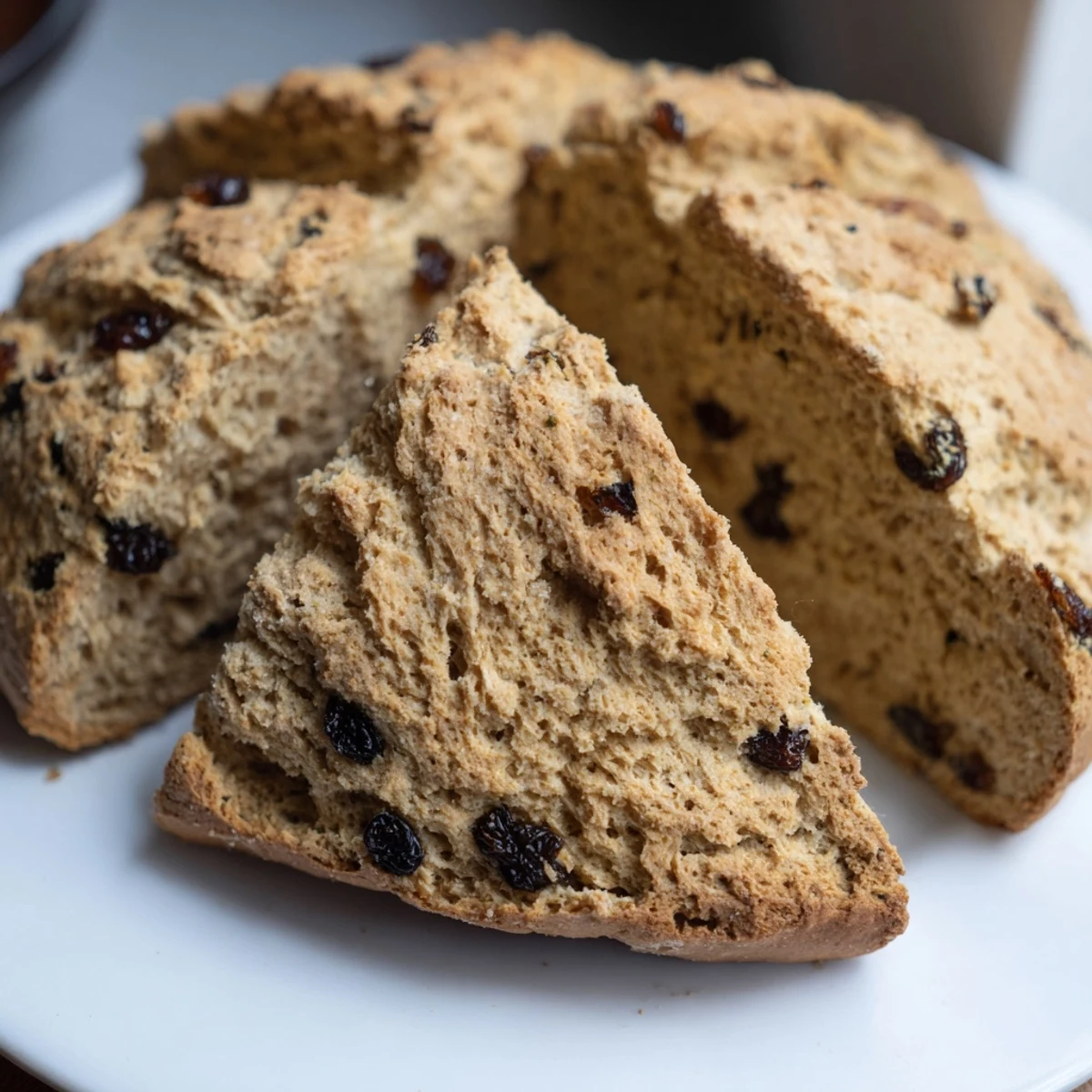
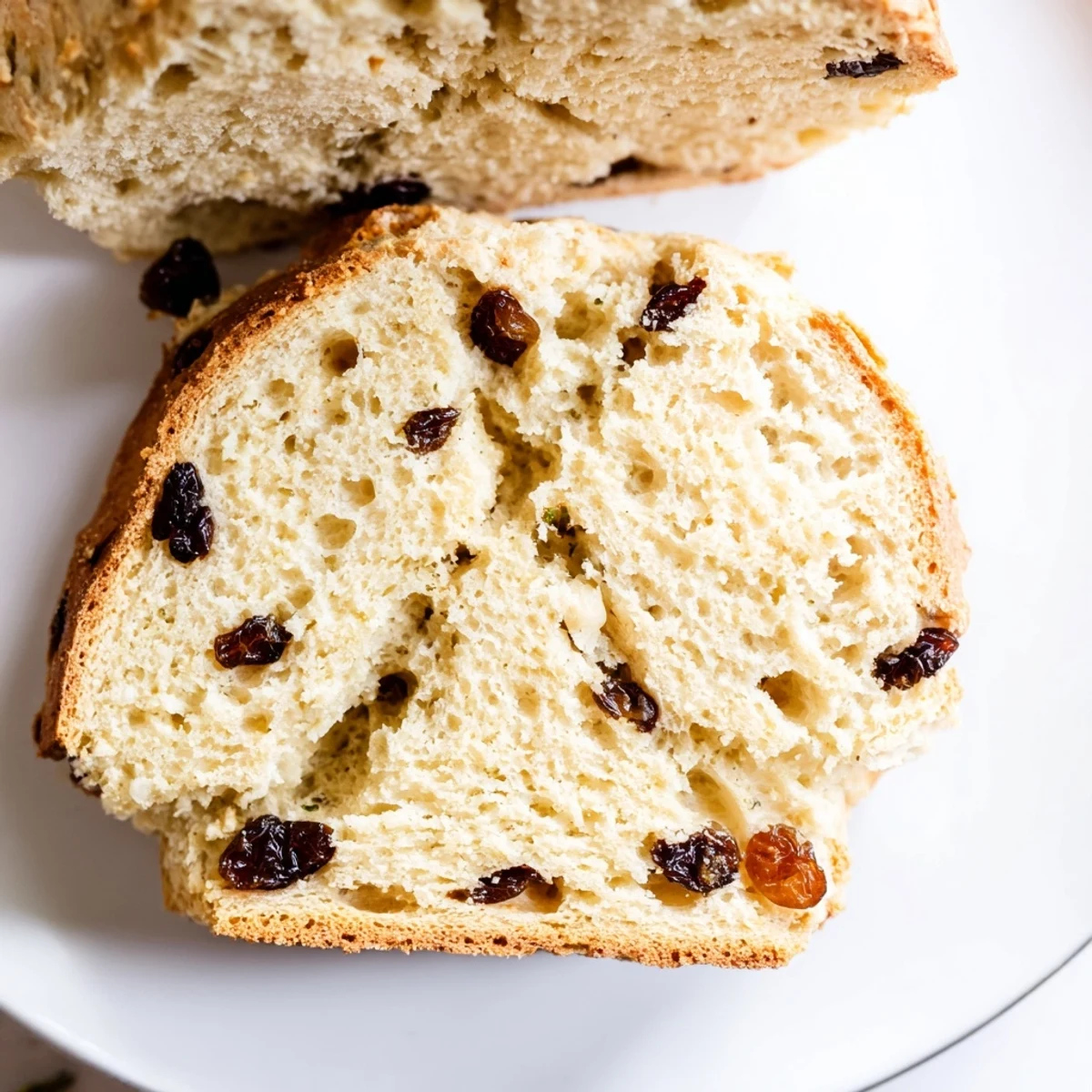
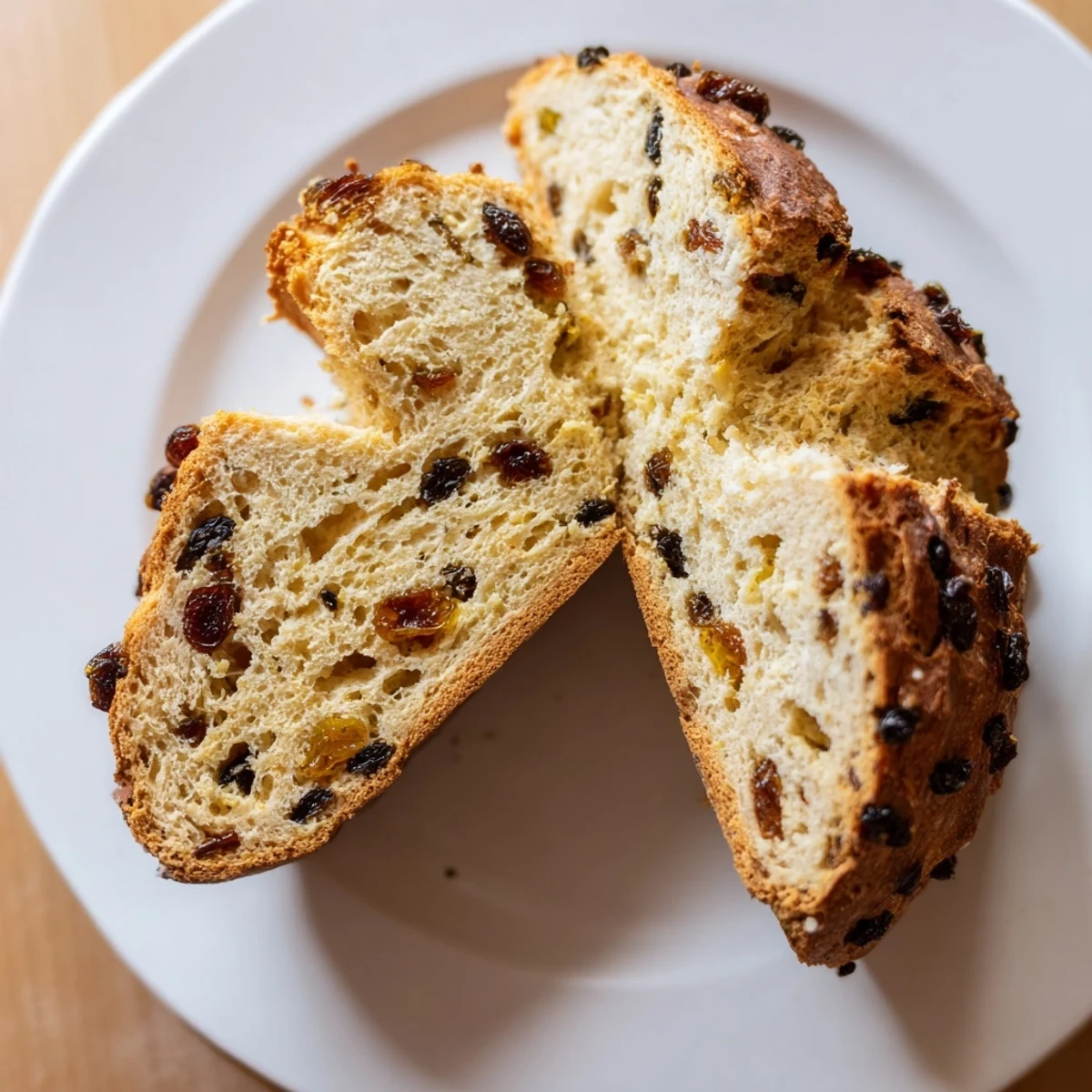
 This rustic loaf blends tangy buttermilk and baking soda to create a tender crumb. Juicy currants add bursts of sweetness while caraway seeds impart a warm, aromatic note. Quick to prepare and ideal for breakfast or teatime, it bakes to a golden crust with a traditional cross-slit top. Serve warm with butter and honey to enhance its comforting flavors. Variations include swapping currants for raisins or cranberries and using whole wheat flour for added depth.
The first time I made soda bread, I was rushing to get dinner on the table and completely forgot about yeast. My grandmother laughed and told me that's exactly how Irish soda bread was born—out of necessity, not planning. Now it's my go-to when I want fresh bread without the wait. The way the caraway seeds perfume the kitchen as it bakes is absolutely intoxicating.
Last winter, during that snowstorm that kept us inside for three days, I made four loaves back to back. My teenage son, who usually grabs something processed on his way out the door, actually sat at the counter with me, slicing piece after piece while it was still warm enough to melt butter on contact. We ran out before the storm even ended.
Ingredients
- All-purpose flour: The structure here—bread flour would make it too tough, while cake flour wouldnt support the crumb.
- Granulated sugar: Just enough to balance the tangy buttermilk and complement the currants without making it dessert.
- Baking soda: This is your leavening agent, reacting instantly with buttermilk to create those beautiful air pockets.
- Fine sea salt: Coarse salt wont dissolve evenly, so stick with fine for consistent seasoning throughout.
- Caraway seeds: These give soda bread its signature earthy, slightly anise flavor that makes it distinctly Irish.
- Dried currants: Smaller and more tart than raisins, they distribute beautifully and add little bursts of sweetness.
- Buttermilk: The acid here activates the baking soda while keeping the bread tender and moist.
- Large egg: Adds richness and helps bind everything together for a less crumbly loaf.
- Unsalted butter: Melted and cooled so it incorporates evenly without scrambling your egg.
Instructions
- Get your oven ready:
- Preheat to 400°F and line a baking sheet with parchment paper so nothing sticks later.
- Mix the dry base:
- Whisk together flour, sugar, baking soda, salt, and caraway seeds in a large bowl until thoroughly combined.
- Add the currants:
- Stir them in gently so each little fruit gets coated in flour, preventing them from clumping together.
- Whisk the wet mixture:
- Combine buttermilk, egg, and melted butter in a separate bowl until smooth and uniform.
- Bring it together:
- Make a well in the center of your dry ingredients, pour in the wet mixture, and stir with a wooden spoon until you get a shaggy dough.
- Minimal kneading:
- Turn onto a lightly floured surface and knead just 8 to 10 times—overworking makes it tough.
- Shape your loaf:
- Form it into a round about 2 inches high and transfer to your prepared baking sheet.
- The signature cross:
- Cut a deep X across the top with a sharp knife to help heat penetrate and encourage even rising.
- Bake until golden:
- Let it go for 38 to 42 minutes until the crust is browned and the bottom sounds hollow when tapped.
- Patience pays off:
- Cool on a wire rack for at least 30 minutes because slicing too early makes the crumb gummy.
 Pin It
 My neighbor Mrs. Higgins, who grew up in County Cork, told me that in Ireland, soda bread was traditionally made daily. She said every family had their own version, and the X on top was actually to bless the bread and let the fairies out. Now whenever I cut that cross, I think of her standing in my kitchen, sharing stories while the scent of caraway filled the room.
Making It Your Own
Half whole wheat flour adds nuttiness and fiber, though it does make the bread slightly denser. I once ran out of currants and used dried cranberries instead—the tartness worked surprisingly well with caraway. Orange zest folded into the dry ingredients brightens everything and makes the house smell incredible while it bakes.
Serving Suggestions
Warm slices slathered with salted butter are hard to beat, but this bread also makes excellent French toast the next day. I love it alongside a bowl of tomato soup for lunch, and it's perfect for soaking up the yolk of a fried egg at breakfast. The slight sweetness pairs beautifully with sharp cheddar cheese for an unexpected snack.
Storage and Refreshing
This bread is definitely best the day it's made, when the crust is at its crispest and the interior is most tender. Wrap any leftovers tightly in plastic and store at room temperature for up to two days. By day three, you'll want to toast slices to bring back some of that fresh-baked texture.
- Freeze individual slices wrapped in foil for up to a month and reheat in a 300°F oven for 10 minutes.
- Revive a day-old loaf by sprinkling it with water and warming at 350°F for about 8 minutes.
- Stale soda bread makes incredible breadcrumbs—just pulse it in a food processor and store in the freezer.
 Pin It
 Theres something so satisfying about pulling a warm loaf from the oven, knowing you created something this good in under an hour. Whether it's breakfast, tea time, or just because, this bread turns ordinary moments into something worth savoring.
Recipe Questions
- → What gives the bread its rise without yeast?
-
Baking soda reacts with the acidity of buttermilk, producing bubbles that help the bread rise, creating a light crumb.
- → Can I substitute currants with other dried fruits?
-
Yes, raisins or dried cranberries can be used as alternatives, offering similar sweetness and texture.
- → Why is a deep X cut made on top before baking?
-
The X allows steam to escape during baking and helps the loaf expand evenly, contributing to its traditional appearance.
- → How can I store leftovers to maintain freshness?
-
Leftover bread is best toasted the next day to restore its crisp crust and warm interior.
- → Are there tips for adding more flavor to the bread?
-
Substituting half the flour with whole wheat flour enriches the taste, adding a nuttier depth to the loaf.