
 Pin It
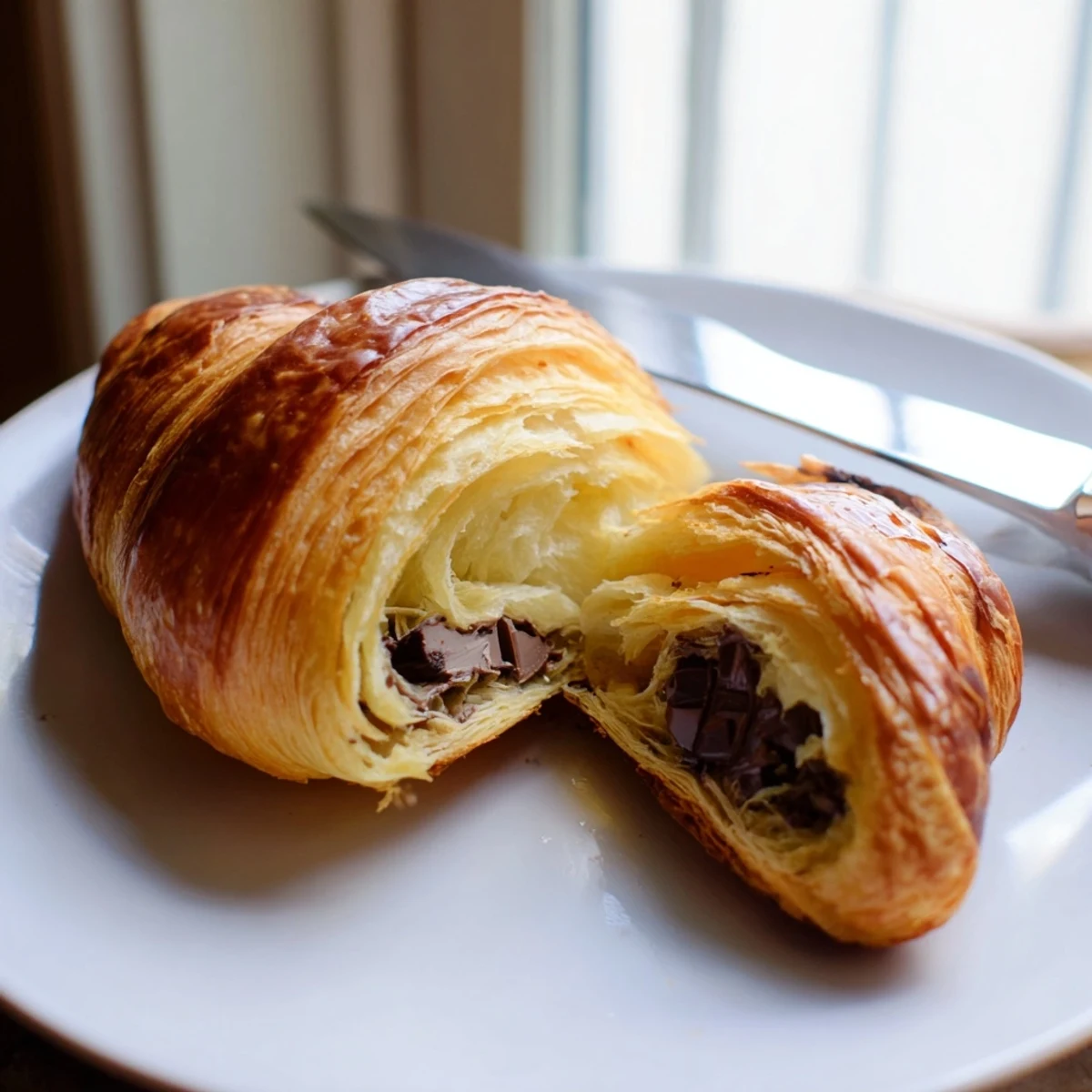
 These flaky croissants combine layers of buttery pastry encasing rich bittersweet or semisweet chocolate. Using a traditional folding technique creates a tender, airy texture. After a careful chilling and proofing process, they bake to a golden crisp, ideal for breakfast or an indulgent snack. Chilling times and gentle rolling ensure perfect layers, while an egg wash creates a shiny finish. Serve warm with coffee or dust lightly with powdered sugar for extra sweetness.
My tiny apartment kitchen was barely six feet wide, the morning I attempted chocolate croissants for the first time. Flour somehow coated every surface, including my hair, and the butter kept threatening to melt into a hopeless puddle. But when that first tray emerged from the oven, golden and smelling like a Parisian bakery, I knew Id found something worth the mess.
Last winter, my neighbor knocked on my door while a batch was proofing on the counter. She followed the buttery aroma upstairs and we ended up sharing warm croissants with coffee while snow fell outside. Now she asks about them every time we meet in the hallway.
Ingredients
- 2 1/4 cups all-purpose flour: Bread flour gives extra structure but regular works perfectly fine
- 2 tbsp granulated sugar: Just enough to help browning without making these sweet pastries
- 1 tsp salt: Dont skip this, it balances the rich butter and chocolate
- 2 1/4 tsp active dry yeast: Make sure its fresh and bubbly when mixed with milk
- 3/4 cup whole milk: Warmed to about body temperature so it activates the yeast without killing it
- 2 tbsp unsalted butter, softened: This goes into the dough itself for tenderness
- 1 cup cold unsalted butter: European-style has less water and creates superior flakiness
- 4 oz good-quality chocolate: Batons are easiest but chopped bars work beautifully too
- 1 large egg + 1 tbsp milk: Whisked together for that gorgeous golden shine
Instructions
- Wake up the yeast:
- Dissolve yeast in lukewarm milk and wait about 5 minutes until you see tiny bubbles forming on top, showing its alive and ready to work.
- Mix the dough:
- Combine flour, sugar, salt, and softened butter with the yeast mixture, then knead until the dough feels smooth and springs back when you poke it.
- First chill:
- Shape the dough into a neat rectangle, wrap it tightly, and let it rest in the fridge for an hour to relax the gluten.
- Prepare the butter:
- Pound cold butter between parchment sheets until its pliable but still cold, forming an even rectangle about 6 by 8 inches.
- First fold:
- Roll the dough into a 10 by 14 inch rectangle, place the butter on one half, fold the other half over like a book, and seal the edges.
- Second fold:
- Gently roll the dough into a 10 by 20 inch rectangle and fold it into thirds like a letter, then wrap and chill for 30 minutes.
- Complete the turns:
- Repeat the rolling and folding two more times, rotating the dough 90 degrees each time and chilling between each fold.
- Shape the croissants:
- Cut the dough into eight rectangles, place chocolate at one end of each, and roll tightly into logs with the seam facing down.
- Proof until puffy:
- Let the croissants rise in a warm spot for about 2 hours until they feel light and jiggle slightly when you move the pan.
- Bake to golden:
- Brush with egg wash and bake at 400°F for 18 to 20 minutes until theyre deeply colored and sound hollow when tapped.
 Pin It
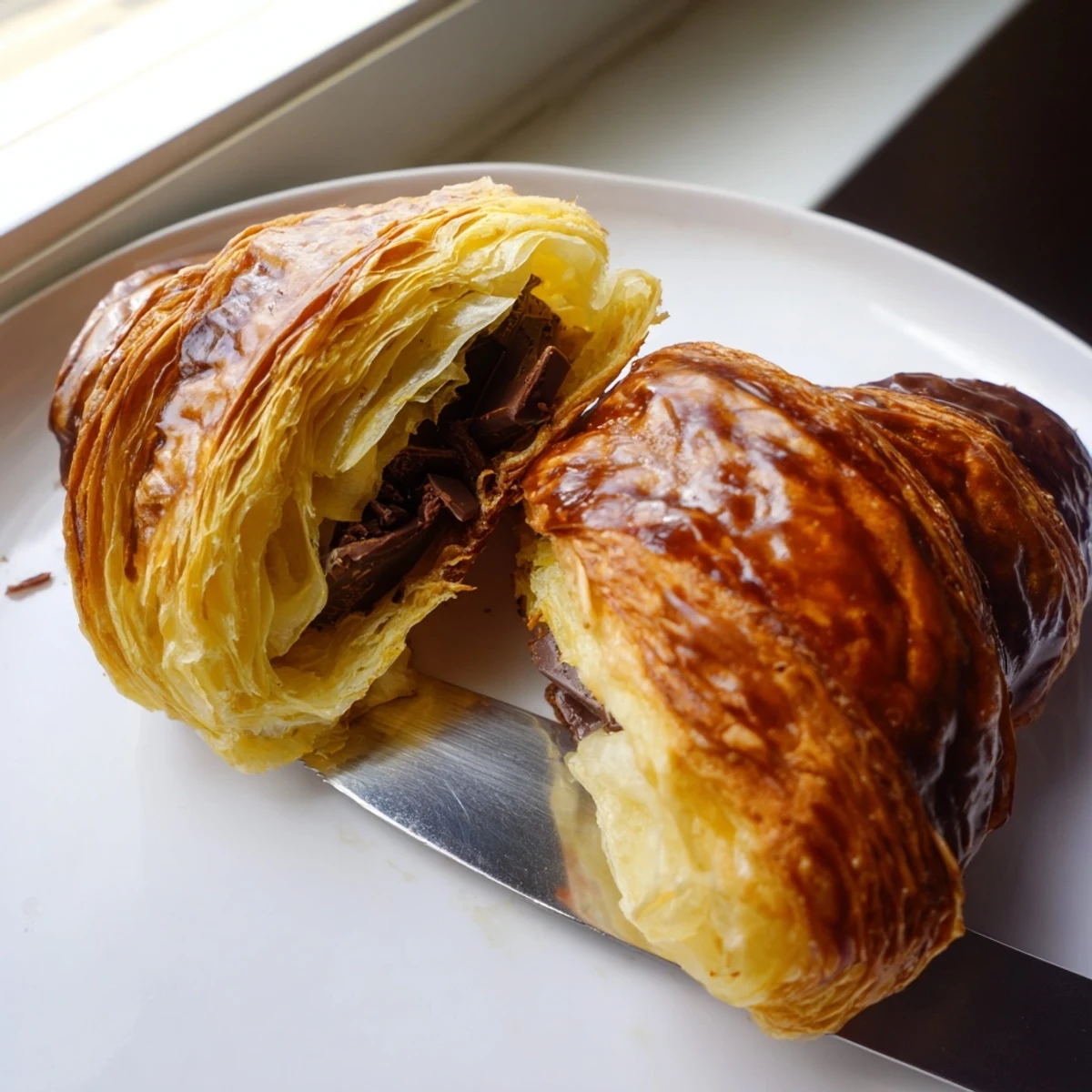
 My daughter now requests these for her birthday breakfast instead of cake. Watching her break one open and see the chocolate ooze out makes every single fold worth it.
Making Ahead
You can freeze the shaped, unproofed croissants on a baking sheet until firm, then transfer them to a bag for up to a month. Thaw them overnight in the refrigerator and let them proof at room temperature before baking. This means you can have fresh chocolate croissants on a weekday morning without starting from scratch.
Getting the Best Chocolate
Ive found that chocolate with around 60 to 70% cocoa creates the perfect balance between sweetness and intensity. Lower percentages can make the croissants taste too sugary while higher percentages might not melt quite as luxuriously. If youre using chocolate bars, chop them into baton-shaped pieces rather than small chunks for better distribution.
Temperature Secrets
Your kitchen temperature matters more than you might expect. If its a hot day, work quickly and chill the dough more frequently. A cool marble or granite countertop helps keep the butter cold during rolling.
- Use an instant read thermometer to check your dough temperature, aiming for around 50°F before each fold
- The butter and dough should be roughly the same temperature when you enclose the butter
- Never skip the resting periods in the fridge, they prevent the gluten from shrinking back
 Pin It
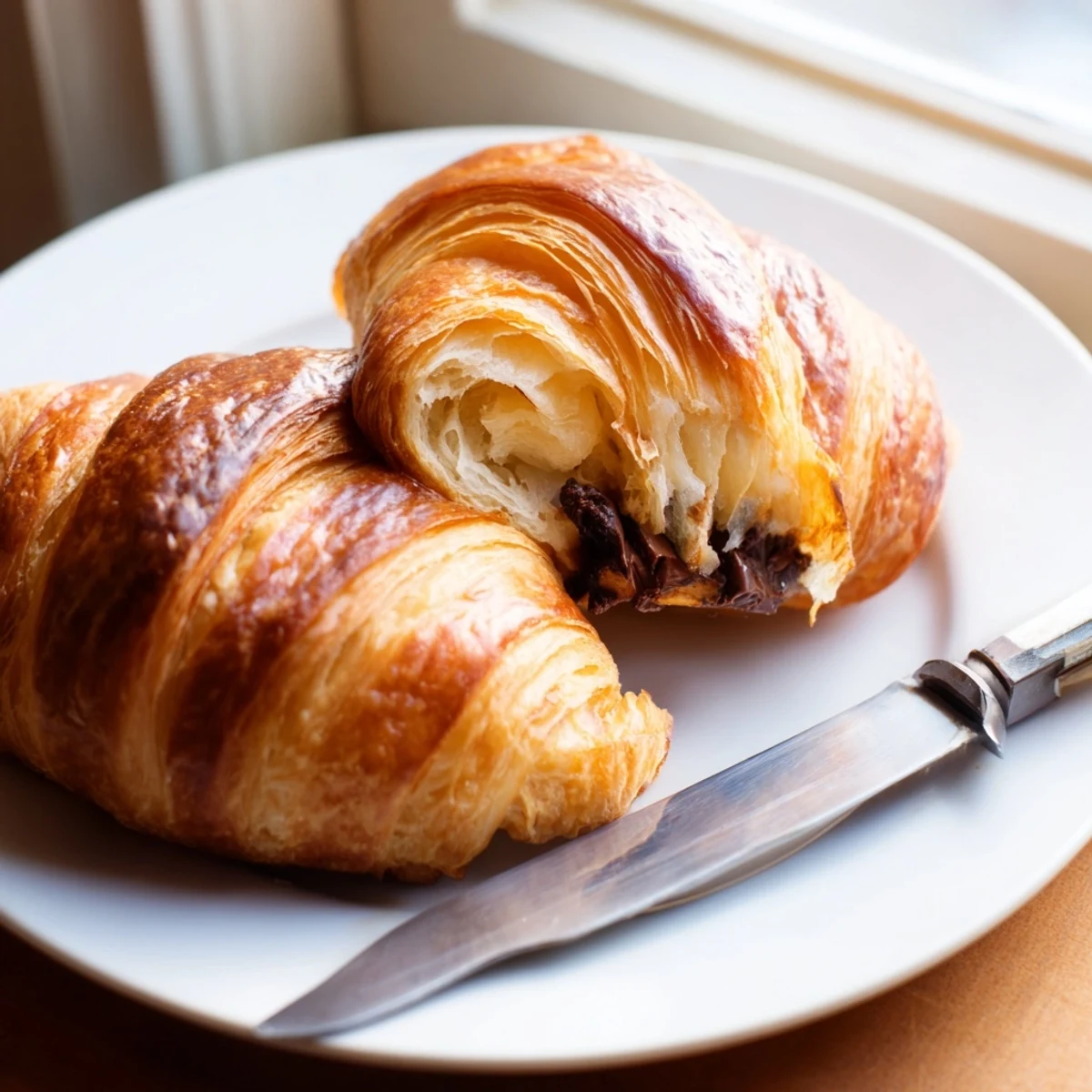
 Theres something profoundly satisfying about pulling a tray of these from the oven, steam rising in curls as the chocolate scent fills the room. Now go make some flour-covered memories of your own.
Recipe Questions
- → What type of chocolate works best?
-
Use good-quality bittersweet or semisweet chocolate to balance richness and sweetness inside the croissants.
- → How important is the chilling process?
-
Chilling is essential to keep the butter cold, which creates the flaky layers by preventing it from melting into the dough.
- → Can I freeze them before baking?
-
Yes, shaped croissants can be frozen for up to a month and thawed overnight before proofing and baking.
- → What is the purpose of the egg wash?
-
Brushing with egg wash before baking gives the croissants a shiny, golden crust and enhances crispiness.
- → Can I make these croissants vegetarian?
-
They are already vegetarian, using butter and chocolate without any animal-derived meat ingredients.