
 Pin It
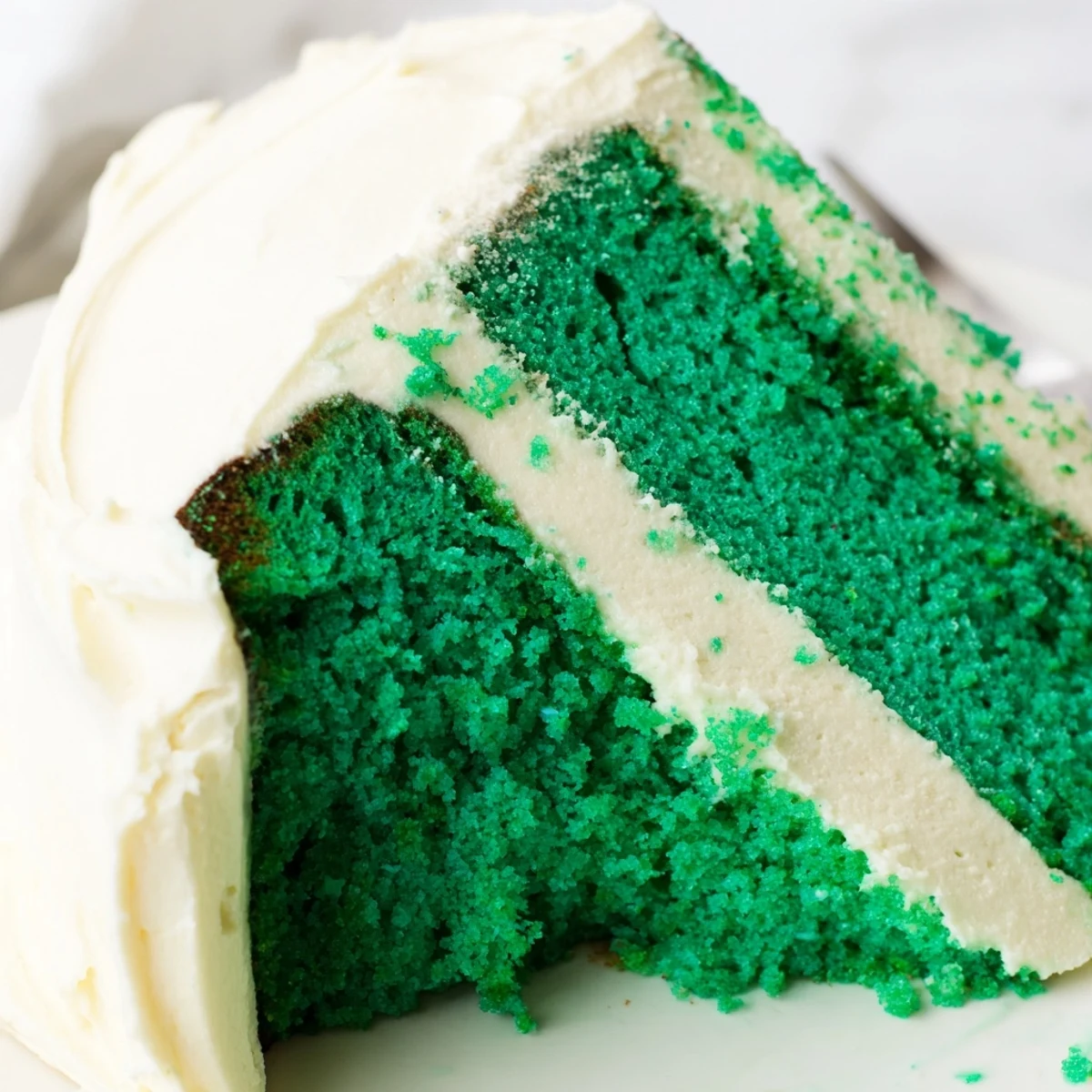
 This striking emerald dessert transforms the beloved red velvet into a vibrant St. Patrick's Day showstopper. The signature velvety crumb carries subtle cocoa undertones, perfectly balanced by the tanginess of buttermilk and a hint of vinegar. A lush blanket of creamy vanilla frosting crowns each slice, while the stunning green hue makes it an instant centerpiece for spring celebrations and festive occasions.
My sister called me at 11 PM the night before St. Patrick's Day, half-panicking because she'd promised to bring something green to work but refused to make another box of cupcakes. I'd been experimenting with natural food dyes and accidentally bought too much gel coloring, so I suggested we try a green twist on red velvet. We stayed up late, my tiny apartment kitchen covered in specks of emerald batter, debating whether the color was too bold or just right.
The office party photos still make me laugh. People hesitated at first, unsure if they were looking at something from a sci-fi movie or an actual dessert. Then someone took that first bite, eyes widened, and suddenly there was a line forming. By lunchtime, the platter was empty and my sister was texting me that three coworkers had already asked for the recipe. Sometimes the most unexpected colors become the most requested treats.
Ingredients
- 2½ cups (315 g) all-purpose flour: The foundation of your crumb. I've learned that measuring by weight gives more consistent results than volume scooping, which can pack flour too densely.
- 2 tbsp unsweetened cocoa powder: Just enough to give depth without overpowering. Natural cocoa works best here rather than Dutch-processed, which can affect how the baking soda activates.
- 1 tsp baking soda: The leavening agent that works with the acidic buttermilk and vinegar to create that signature velvet rise.
- ½ tsp salt: Never skip this. It balances the sugar and actually enhances the chocolate undertones.
- 1½ cups (300 g) granulated sugar: This amount hits the sweet spot without making the cloyingly sweet. I once reduced it and regretted it immediately.
- 1 cup (240 ml) vegetable oil: Oil keeps this cake tender longer than butter would. Canola or vegetable both work beautifully.
- 2 large eggs, room temperature: Room temperature eggs incorporate more evenly into the batter, preventing those tiny eggy pockets we've all encountered.
- 1 cup (240 ml) buttermilk, room temperature: The acid here reacts with baking soda for extra tenderness. No buttermilk? Milk plus vinegar works in a pinch.
- 2 tsp pure vanilla extract: Don't skimp on quality here. The difference between imitation and pure vanilla is noticeable in a cake this simple.
- 1 tsp white vinegar: Enhances the velvet texture by boosting the acid content. It won't make the cake taste vinegar-y, promise.
- 1–1½ tbsp green gel food coloring: Gel coloring is more concentrated than liquid. Start with one tablespoon and add more until you reach your desired shade.
- 8 oz (225 g) cream cheese, softened: Let it soften completely on the counter. Cold cream cheese creates lumpy frosting that no amount of beating can fully fix.
- ½ cup (115 g) unsalted butter, softened:同样 needs to be truly soft. I learned the hard way that 20 minutes on the counter beats microwave softening any day.
- 3½ cups (440 g) powdered sugar, sifted: Sifting is non-negotiable for silky smooth frosting. Those little lumps never fully beat out.
- 2 tsp vanilla extract: More vanilla because the frosting needs its own fragrant lift.
- Pinch of salt: Just a tiny pinch keeps the frosting from tasting flatly sweet.
Instructions
- Preheat and prep your pans:
- Set your oven to 350°F (175°C). Grease two 9-inch round pans thoroughly, then line the bottoms with parchment paper. This step saves you from the heartbreak of stuck cakes later.
- Whisk the dry ingredients together:
- In a medium bowl, combine flour, cocoa powder, baking soda, and salt. Whisk them thoroughly so they're evenly distributed before they meet the wet ingredients.
- Beat sugar and oil:
- In a large bowl, mix the sugar and oil until they're well combined. The mixture will look grainy and thick, which is completely normal.
- Add eggs one at a time:
- Beat in each egg fully before adding the next. This patience pays off in better emulsification and a more uniform crumb structure.
- Stir in the liquids and color:
- Pour in buttermilk, vanilla, vinegar, and green food coloring. Whisk until the mixture transforms into a uniform emerald shade. Take a moment to admire how vibrant it is.
- Combine wet and dry ingredients:
- Add the flour mixture in two batches, folding gently just until you no longer see dry streaks. Overmixing at this stage toughens the final cake.
- Divide and bake:
- Split batter evenly between your prepared pans. Bake for 28 to 32 minutes. You'll know it's done when a toothpick comes out clean and the cakes spring back lightly when touched.
- Cool completely before frosting:
- Let the cakes rest in their pans for 10 minutes, then turn them onto wire racks. Frosting warm layers is a mistake I made exactly once—never again.
- Make the frosting:
- Beat softened cream cheese and butter until completely smooth. Add sifted powdered sugar, vanilla, and salt, then whip until the frosting is light enough to spread but still holds its shape.
- Assemble your cake:
- Place one cooled layer on your serving plate. Spread a generous layer of frosting, top with the second cake, then frost the entire exterior. Decorate with green sprinkles or cake crumbs if the mood strikes.
 Pin It
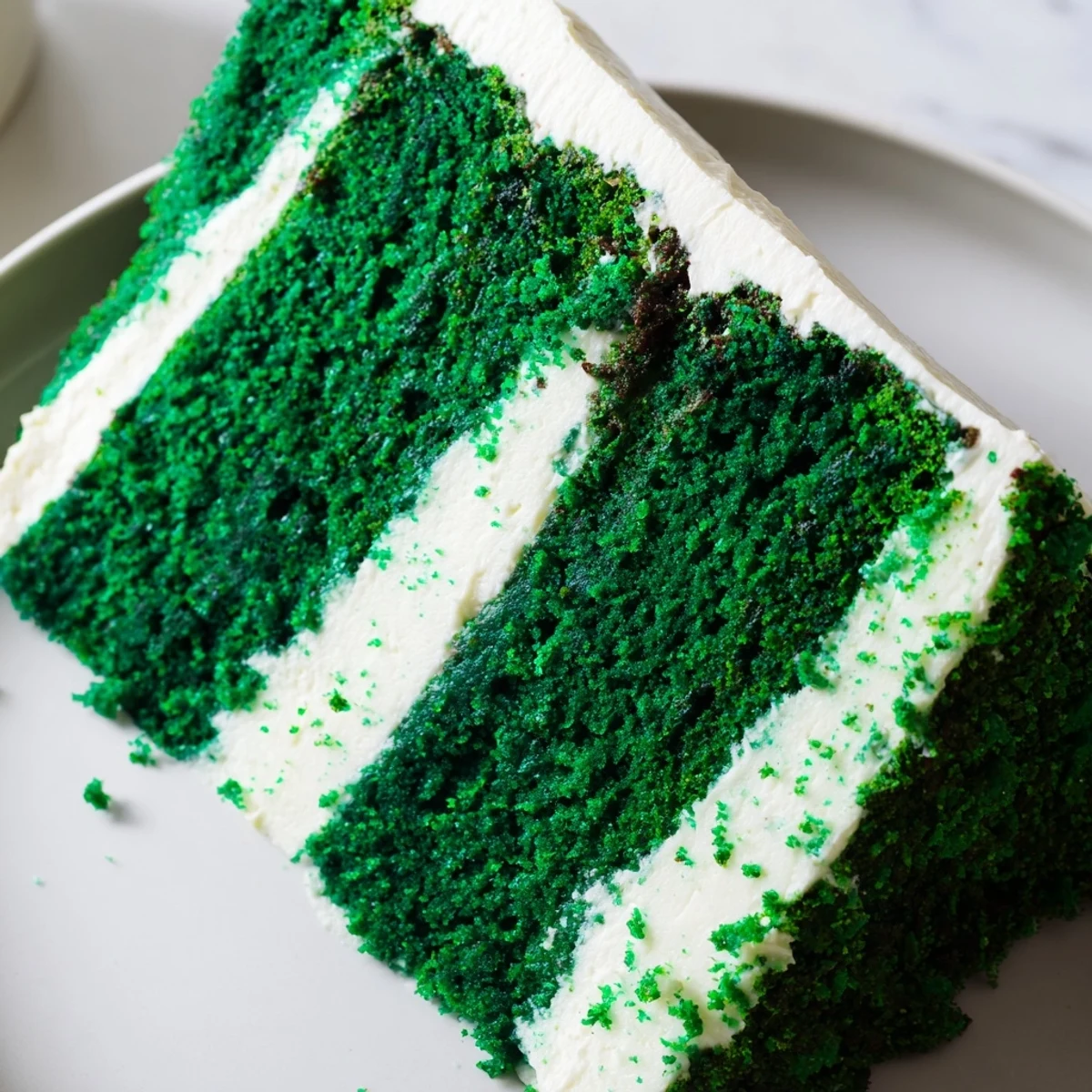
 Last year I made this for my niece's birthday because she's obsessed with anything green. I was worried it might feel too gimmicky, but she absolutely lit up when she saw it. Now it's become her requested cake every year, and I've started experimenting with different shades for other holidays—orange for Halloween, pink for Valentine's Day. The velvet base is just that versatile.
Making It Ahead
The cake layers freeze beautifully. Wrap each cooled layer separately in plastic wrap, then foil, and freeze for up to a month. Thaw overnight in the refrigerator before frosting. I actually think the texture improves slightly after a day in the freezer, as the flavors have time to meld and settle.
Color Variations
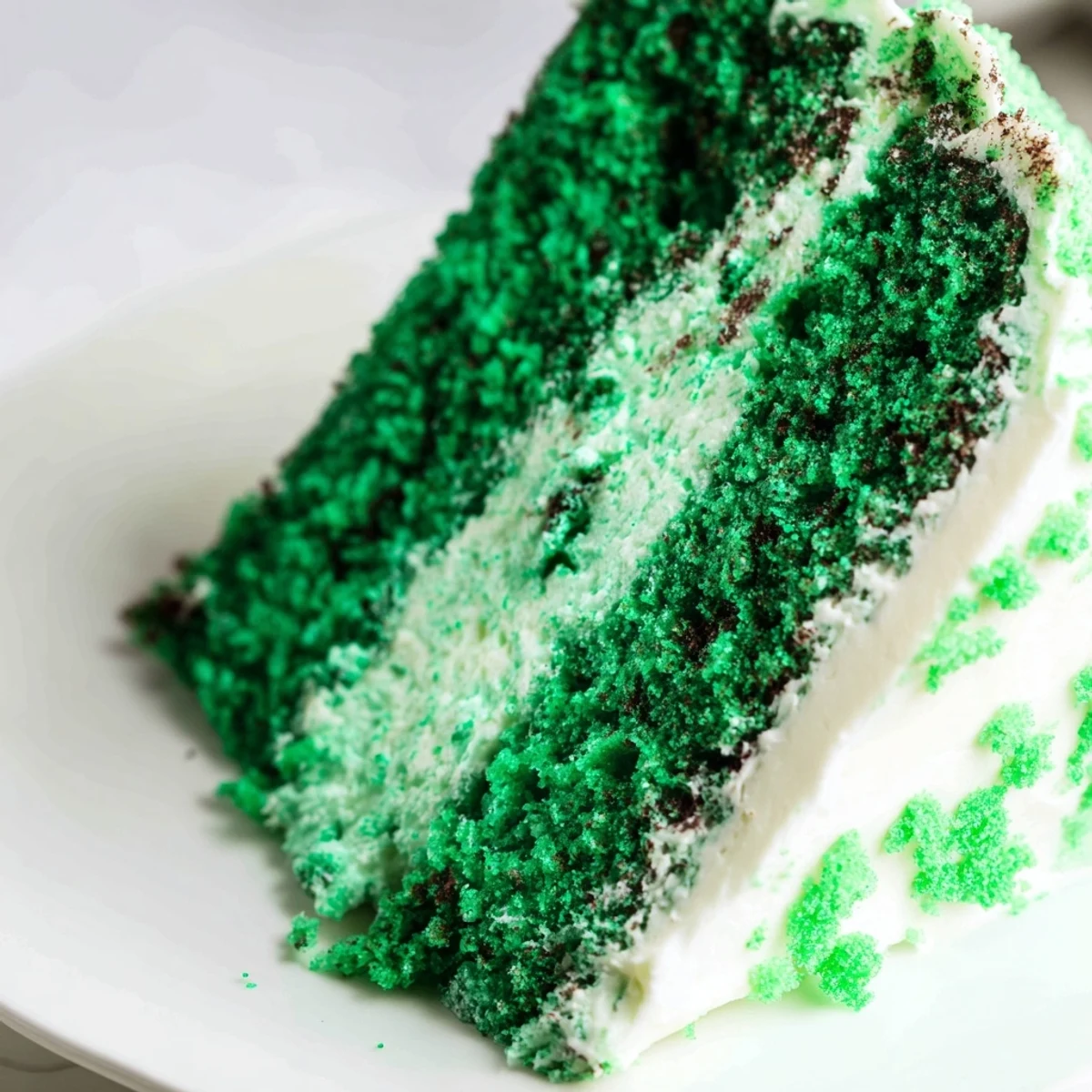
While this recipe was born for St. Patrick's Day, the velvet base works year-round. Use less gel coloring for a subtle mint green shade, or combine green and blue for a teal that's perfect for baby showers or ocean-themed parties. The cocoa powder keeps the color grounded rather than neon, so you have room to play.
Serving Suggestions
This cake pairs surprisingly well with both coffee and tea, making it ideal for brunch or afternoon gatherings. The slight tang from cream cheese frosting cuts through the richness, so each slice feels indulgent but not overwhelming.
- Chill the frosted cake for 30 minutes before slicing for cleaner edges
- Serve with fresh berries to add a natural contrast to the bold green color
- Consider garnishing with edible flowers for an elegant touch that elevates the whimsy
 Pin It
 Whether you're celebrating a holiday or just want to bake something unexpectedly vibrant, this cake brings joy before anyone even takes a bite. Hope it becomes as loved in your kitchen as it has in mine.
Recipe Questions
- → What gives this cake its signature green color?
-
Green gel food coloring creates the vibrant emerald hue. Gel-based coloring provides more intense color than liquid versions without altering the batter's consistency. Start with one tablespoon and add more to achieve your desired shade.
- → Can I make this cake ahead of time?
-
Yes, bake the layers up to two days in advance. Wrap cooled cakes tightly in plastic wrap and store at room temperature. Frost the day of serving for the freshest taste and texture, or frost and refrigerate up to 24 hours before bringing to room temperature.
- → Why does the recipe include vinegar?
-
White vinegar reacts with baking soda to create extra lift, resulting in that characteristic velvety, tender crumb. The tanginess also enhances the cocoa flavor while balancing the sweetness of the frosting.
- → Can I substitute buttermilk?
-
Combine one cup of regular milk with one tablespoon of white vinegar and let it sit for five minutes until slightly thickened. This homemade version works just as well as store-bought buttermilk in creating the cake's signature texture.
- → How should I store leftovers?
-
Keep frosted cake refrigerated in an airtight container or under a cake dome for up to five days. Bring slices to room temperature for 20 minutes before serving to experience the full velvety texture and flavor.
- → What occasions work best for this dessert?
-
The striking emerald color makes it ideal for St. Patrick's Day, spring celebrations, Easter, Christmas, or any event where a vibrant, eye-catching dessert would shine. The classic flavor profile appeals to everyone, not just those celebrating the holiday.