
 Pin It
 This luxurious French-style bisque combines tender lobster meat with a velvety, intensely flavored broth. The process begins by briefly boiling live lobsters, then extracting the meat while reserving the shells. Aromatic vegetables including onion, celery, carrots, leek, and fennel form the flavorful base, enhanced with garlic, tomato paste, and fresh herbs like thyme and tarragon.
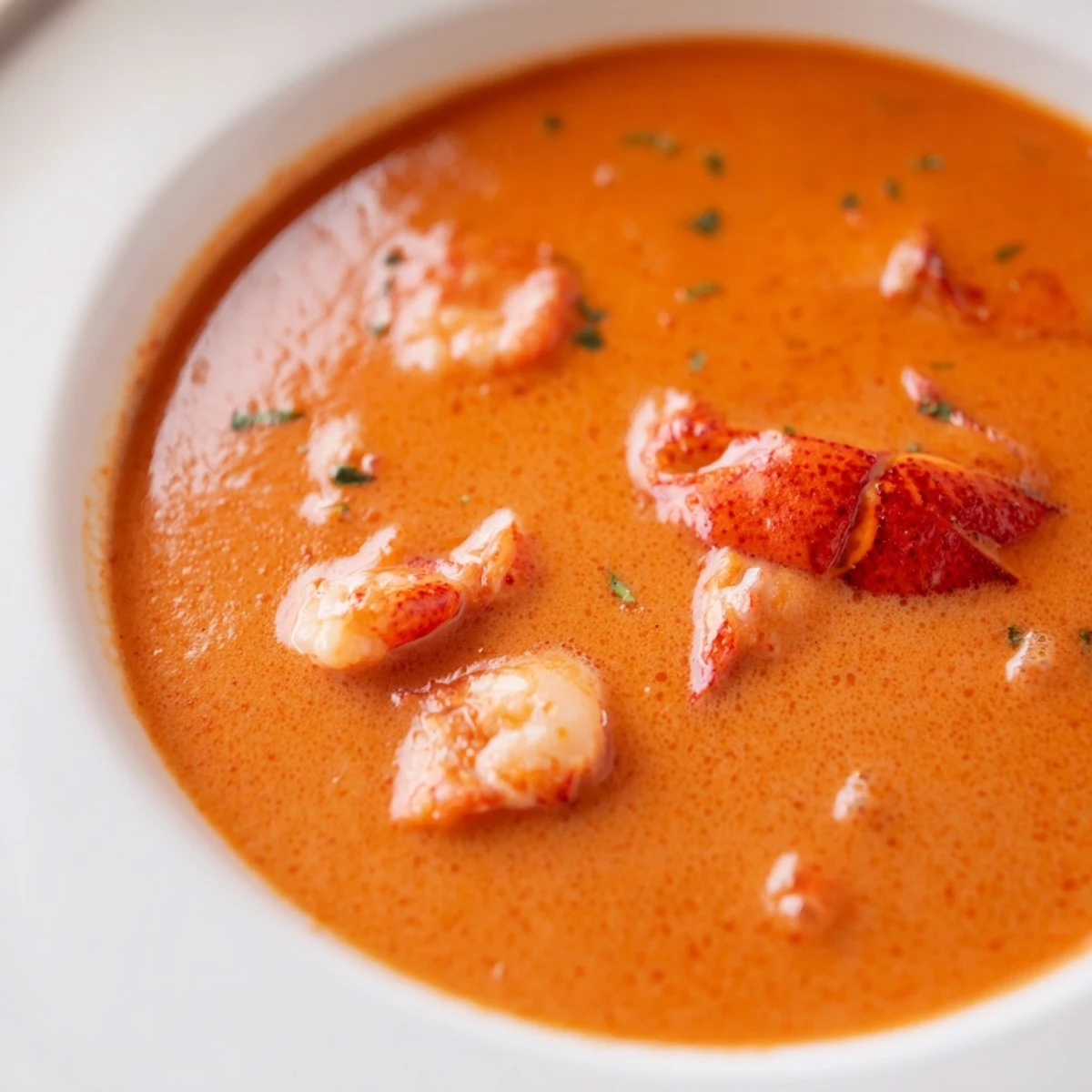
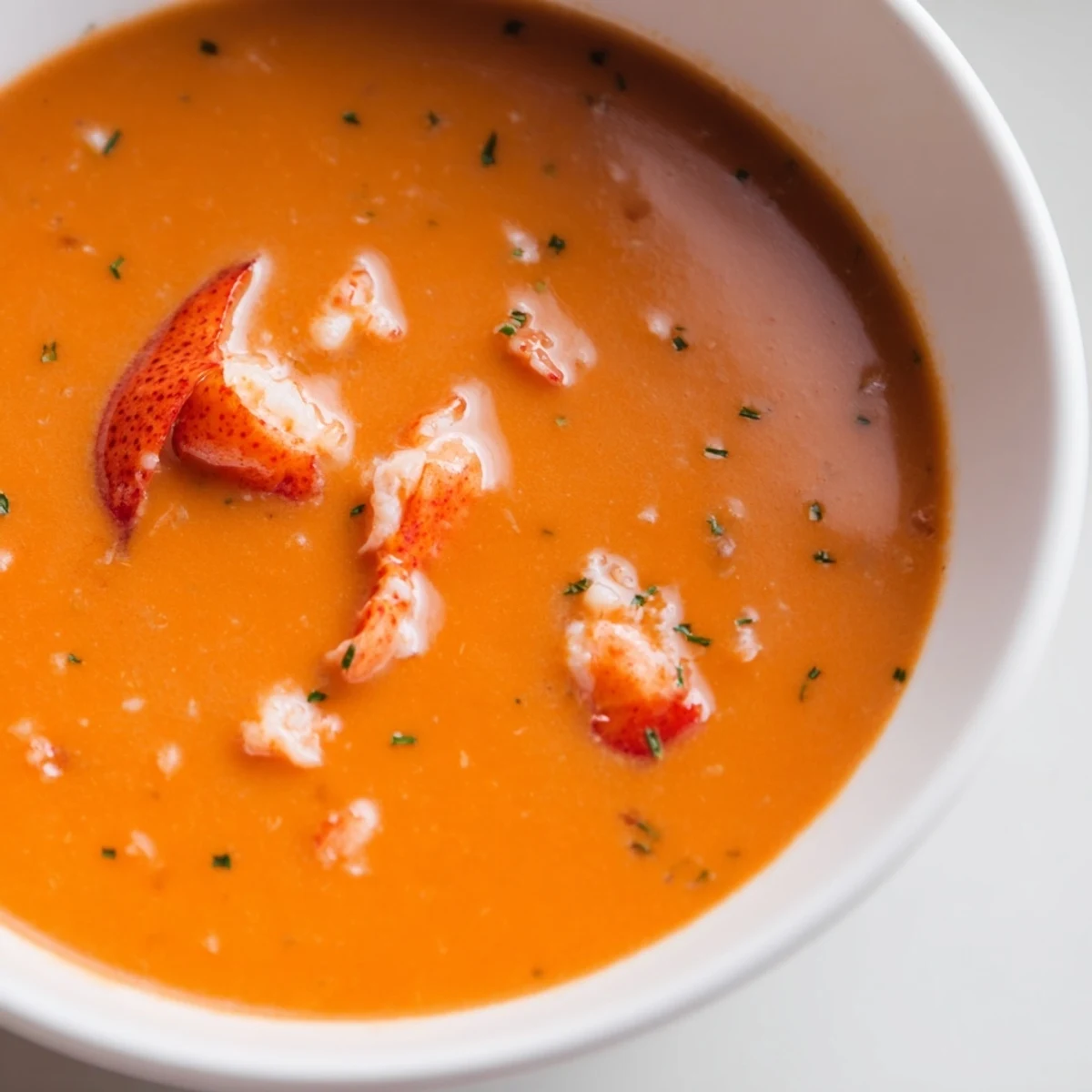
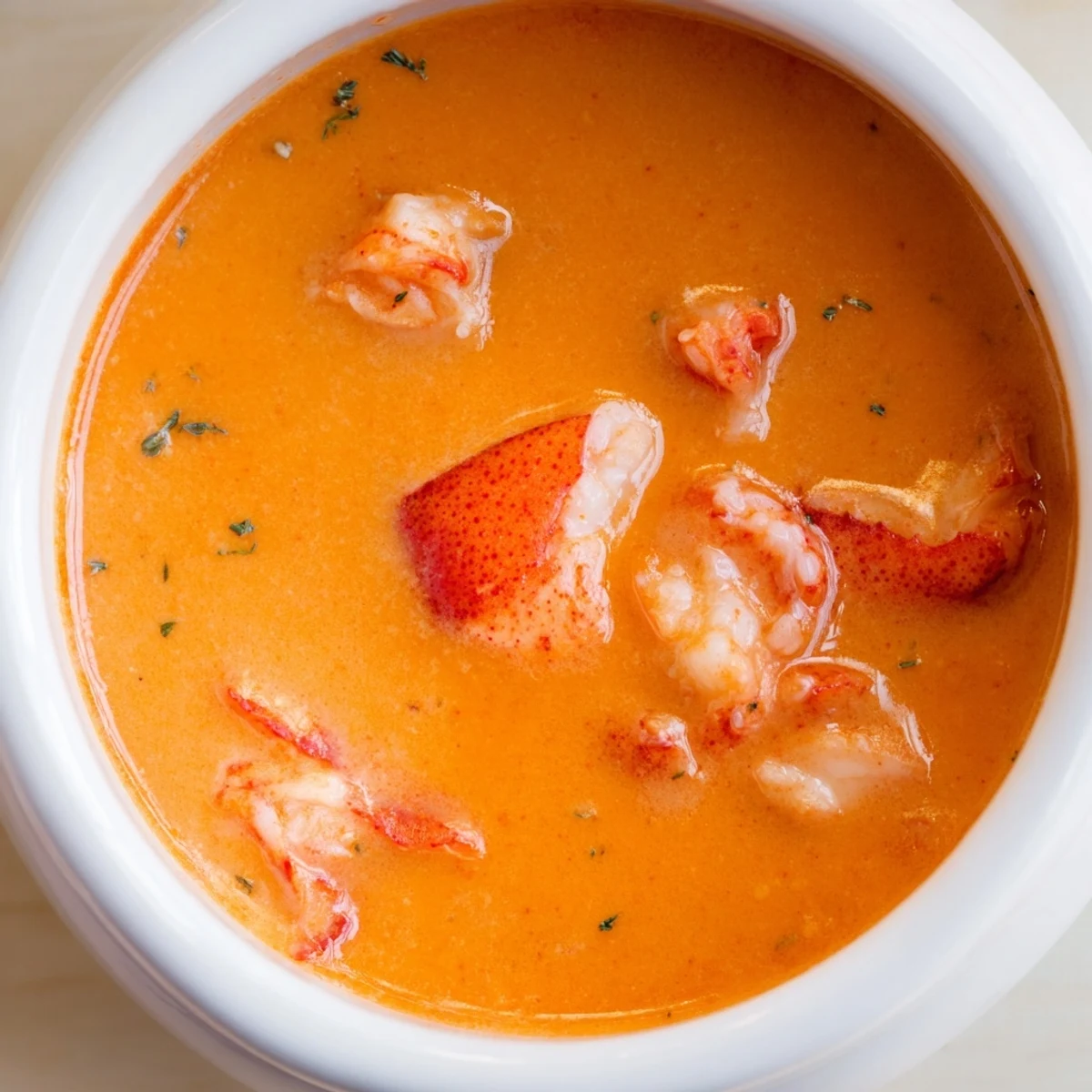
The technique involves flambéing brandy to add depth, then simmering everything with white wine and fish stock. After blending and straining for a silky texture, heavy cream transforms it into a rich, elegant soup. The finished bisque features chunks of sweet lobster meat swimming in a smooth, copper-colored bowl, garnished with fresh tarragon. Perfect for special occasions or when you crave restaurant-quality luxury at home.
The first time I attempted lobster bisque, I stood in my kitchen feeling entirely out of my depth. Those bright red crustaceans stared back at me, and I wondered if I had truly committed to something beyond my skills. But then I remembered watching Gordon Ramsay work his magic with this exact dish, his hands moving with that practiced confidence that makes everything look effortless. That night, my tiny apartment filled with the most incredible aroma, and I knew I had to master this soup properly.
I served this bisque at my anniversary dinner last winter, watching my partner take that first hesitant spoonful. The way their eyes lit up, that moment of pure surprise at something so rich and velvety coming from our modest kitchen, that is why I keep making this. It transforms a regular Tuesday into something worth celebrating.
Ingredients
- 2 live lobsters: the foundation of everything, do not skip the shells as they contain all the deep seafood essence
- 1 bay leaf and 1 tsp black peppercorns: simple aromatics that elevate the poaching liquid dramatically
- 2 tbsp olive oil: your canvas for building layers of flavor in the base
- 1 onion, 2 celery stalks, 2 carrots, 1 leek, 1 fennel bulb: the aromatic mirepoix that gives body and sweetness to the bisque
- 3 garlic cloves and 2 tbsp tomato paste: these add depth and that gorgeous reddish hue
- ½ cup brandy or cognac: the secret weapon that makes everything taste expensive
- 1 cup dry white wine and 4 cups fish stock: your liquid gold, building the soup base
- 1 cup heavy cream: what transforms this from broth to silky bisque
- Salt, pepper, pinch of cayenne, lemon juice: your finishing touches that bring everything into focus
Instructions
- Prepare your lobsters with confidence:
- Bring a large pot of salted water to boil with bay leaf and peppercorns, add live lobsters, cover and cook 6 to 8 minutes until bright red. Remove and reserve ½ cup cooking liquid before cracking shells and removing meat into bite pieces while saving every single shell for the base.
- Build your flavor foundation:
- Heat olive oil in a large pot over medium heat, add all your chopped vegetables, cook 5 to 7 minutes until softened. Stir in garlic and tomato paste for 2 minutes, then add those precious shells with thyme and tarragon, sautéing 5 more minutes.
- Ignite the magic:
- Pour in brandy carefully and flambé if you are feeling brave, letting flames burn off alcohol. Add white wine and reserved lobster liquid, then pour in fish stock and bring to boil before reducing to simmer uncovered for 30 to 40 minutes.
- Transform into velvet:
- Remove from heat, discard herb sprigs, blend with immersion blender until smooth, then strain through fine sieve into clean pot, pressing firmly to extract every drop of liquid. The texture should be silky and thick.
- Finish with finesse:
- Bring strained bisque to gentle simmer, stir in heavy cream, season with salt, pepper and cayenne. Add chopped lobster meat, reserving some pieces for garnish, and simmer 2 to 3 minutes until heated through. Adjust with lemon juice.
 Pin It
 This recipe has become my go to for dinner parties, consistently wowing guests who assume I spent all day in the kitchen. There is something deeply satisfying about serving something so elegant, knowing the secrets behind its creation.
Making It Your Own
Roasting the shells at 400°F for 10 minutes before adding them to the pot creates an even deeper, more complex flavor. If you cannot find whole lobsters, shrimp shells make a surprisingly good substitute, though the final dish will be lighter.
The Art of Straining
Double strain your bisque through cheesecloth for the silkiest texture possible. This extra step removes any remaining texture and ensures that restaurant quality mouthfeel that makes people ask what restaurant you ordered from.
Perfect Pairings
A crisp chilled Chardonnay cuts through the richness beautifully, while crusty bread is essential for sopping up every last drop. I like to serve this in warmed bowls to keep it at the perfect temperature.
- garnish with fresh tarragon leaves right before serving for a pop of color
- keep the cayenne subtle unless you want heat to compete with the delicate lobster flavor
- always warm your bowls before serving, bisque loses its magic quickly once it cools
 Pin It
 This bisque has taught me that some recipes are worth every extra step, every moment of patience. Now it is your turn to create something extraordinary.
Recipe Questions
- → What makes this bisque different from regular lobster soup?
-
The difference lies in the technique and texture. This bisque uses roasted lobster shells to create an intensely flavorful base, which is then blended and strained until perfectly smooth. The addition of tomato paste provides depth and color, while the flambéed brandy adds complexity that sets it apart from simpler soups.
- → Can I prepare the bisque in advance?
-
Absolutely. The base can be prepared up to 2 days ahead and refrigerated. In fact, the flavors often improve after resting. When ready to serve, gently reheat the bisque, add the cream and lobster meat, and adjust seasoning. This makes it ideal for dinner parties or special occasions.
- → What can I substitute for brandy or cognac?
-
While brandy or cognac provides traditional depth, you can use additional dry white wine or a splash of sherry instead. For a non-alcoholic version, simply increase the fish stock and add an extra tablespoon of tomato paste to maintain the rich flavor profile.
- → Why is double-straining recommended?
-
Double-straining ensures the silkiest possible texture by removing any remaining shell fragments or vegetable fibers. The first pass through a standard sieve removes large pieces, while pressing the solids through a fine mesh sieve extracts every bit of flavorful liquid, resulting in that velvety, restaurant-quality consistency.
- → How do I store leftovers?
-
Store cooled bisque in an airtight container in the refrigerator for up to 3 days. For longer storage, freeze without the cream for up to 3 months. Thaw overnight in the refrigerator, then reheat gently and stir in fresh cream along with the lobster meat when ready to serve.
- → What wine pairs best with this bisque?
-
A crisp, chilled Chardonnay or Sauvignon Blanc complements the richness beautifully. The wine's acidity cuts through the creamy texture while enhancing the sweet lobster flavors. A dry French white wine like Sancerre or Pouilly-Fumé would also be an excellent choice.