
 Pin It
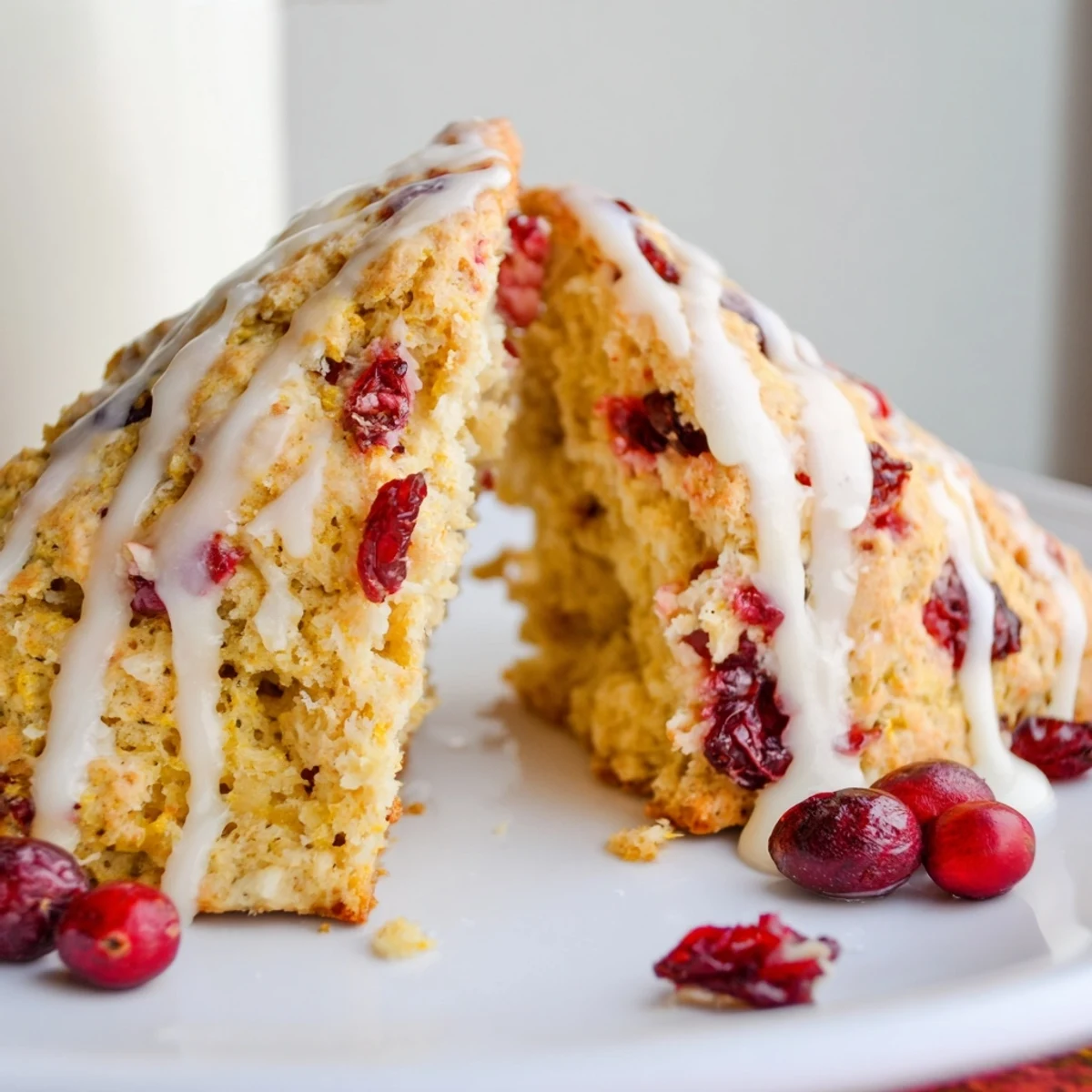
 These tender scones combine tart cranberries with zesty orange to create a flavorful treat. The dough is softly textured and enhanced with cold butter, cream, and vanilla. After baking to a golden brown, a sweet orange glaze adds a final citrus touch. Ideal for breakfast, brunch, or afternoon tea, they balance sweetness and tang beautifully. Variations include adding cinnamon or swapping cranberries for blueberries, with optional accompaniments like clotted cream or butter for richness.
There's something about the smell of orange zest hitting warm butter that makes a morning feel intentional. I discovered these scones during a rainy Saturday when I was supposed to be meal prepping but instead found myself wanting to bake something that felt both fancy and comforting. The combination of tart cranberries and bright citrus seemed like the kind of thing that would make ordinary tea taste better, so I started experimenting with ratios and techniques until I landed on this version. Now they're what I reach for when I want to impress people without spending all day in the kitchen.
I made these for my book club last month, and watching people's faces when they bit into one and got that burst of tartness was worth every minute of prep. One friend asked for the recipe immediately, then admitted she'd been intimidated by scones her whole life until that moment. That's when I realized these aren't just breakfast food—they're the kind of thing that changes how people think about their own kitchen abilities.
Ingredients
- All-purpose flour: This is your structure, so don't sift it unless your flour has been sitting in a humid pantry for months.
- Granulated sugar: Just a touch to balance the tartness coming from the cranberries and orange.
- Baking powder: The magic ingredient that gives you that tender crumb and lift without needing yeast or overnight rising.
- Salt: One of those ingredients that disappears into the background but makes everything taste more like itself.
- Unsalted butter, cold and cubed: Cold is the secret word here—warm butter turns these into dense cakes instead of light scones.
- Egg: Binds everything together and gives the tops that gorgeous golden shine.
- Heavy cream: Creates moisture and tenderness that you can't get from milk alone.
- Orange zest: Grate it fresh right before you use it, and use a microplane if you have one—box graters leave behind too much pith.
- Vanilla extract: A quiet player that rounds out all the other flavors and adds warmth.
- Fresh or dried cranberries: If using dried, that brief soak in hot water plumps them up and makes them taste fresher than they actually are.
- Powdered sugar: Sift it before mixing into the glaze or you'll end up with lumps no amount of orange juice can fix.
- Freshly squeezed orange juice: The glaze only works with real juice—bottled tastes thin and vaguely bitter in comparison.
Instructions
- Heat your oven and prepare your workspace:
- Get the oven to 400°F and line your baking sheet with parchment—this keeps the bottoms from browning too fast. Your oven temperature matters more than you'd think with scones.
- Combine your dry ingredients:
- Whisk flour, sugar, baking powder, and salt in a large bowl so the leavening is evenly distributed. This step takes thirty seconds and prevents dense spots in your baked scones.
- Cut in the cold butter:
- Drop in those cold butter cubes and either use a pastry cutter or just use your fingertips to rub everything together until it looks like breadcrumbs. The small butter pieces create steam pockets that give you lift and texture.
- Mix your wet ingredients separately:
- In a small bowl, whisk together the egg, heavy cream, orange zest, and vanilla until combined. This step keeps you from accidentally overmixing the dough later.
- Bring everything together gently:
- Pour the wet mixture into the dry ingredients and stir just until everything comes together—you want to see a few flour streaks still visible. Overmixing is the scone killer, so resist the urge to make it look perfect.
- Fold in the cranberries:
- Gently fold those tart berries into the dough at the very end so they don't get crushed. If you're using dried cranberries that you've soaked, make sure they're completely drained first.
- Shape your dough:
- Turn the dough onto a lightly floured surface and pat it into a 7-inch circle about an inch thick—don't knead it or you'll make them tough. The dough should feel slightly shaggy and rustic.
- Cut into wedges:
- Use a sharp knife or bench scraper to divide the circle into 8 wedges like a pie. A clean cut matters more than you'd think for even baking.
- Brush and bake:
- Place wedges on your prepared baking sheet with a little space between each one, brush the tops lightly with heavy cream, and slide into the oven for 16 to 18 minutes until golden. You'll know they're done when they smell incredible and the tops are the color of honey.
- Make the glaze while they cool:
- Whisk together sifted powdered sugar, fresh orange juice, and orange zest until you have something pourable but still coating. The consistency should be somewhere between thick syrup and thin icing.
- Finish and serve:
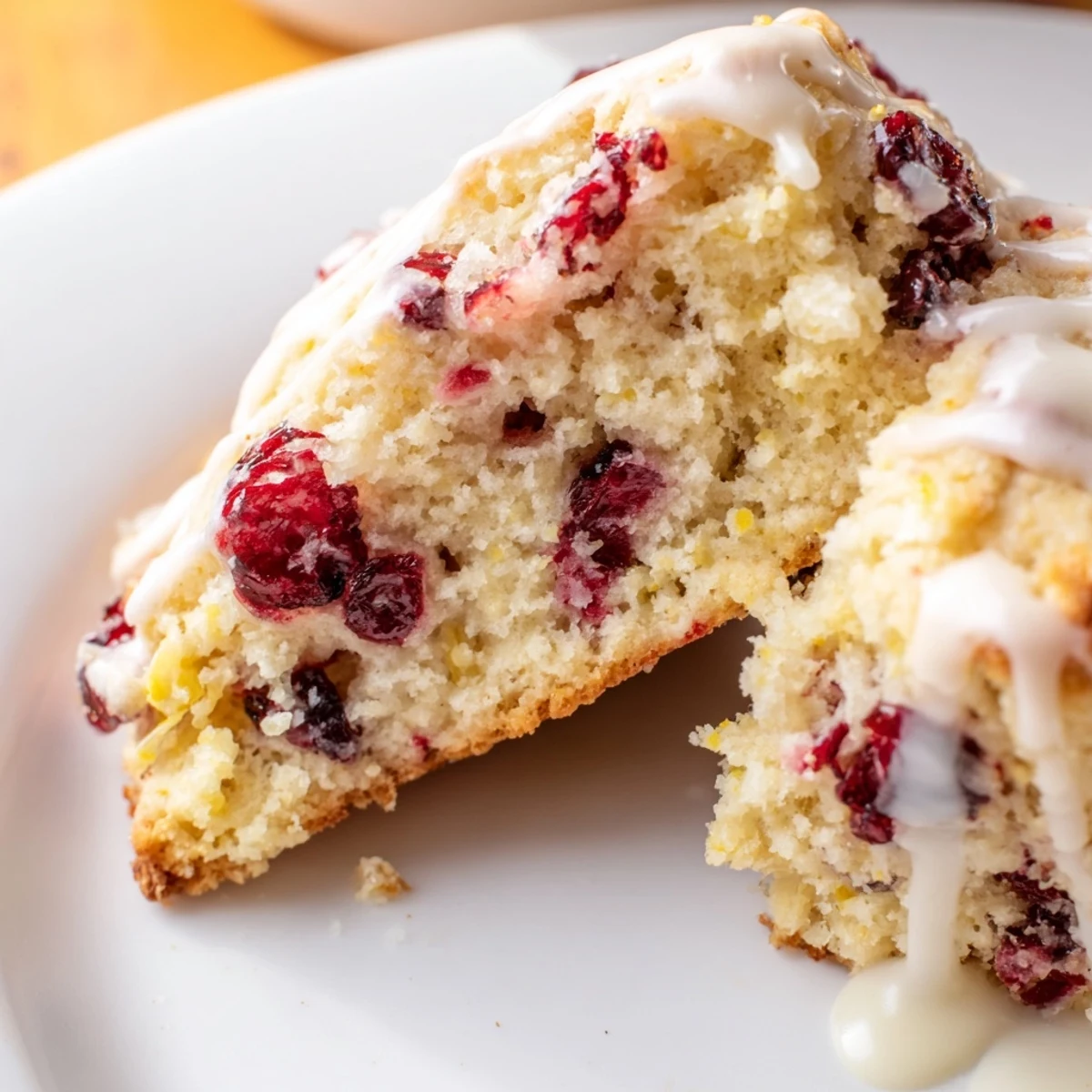
- Once the scones have cooled slightly, drizzle the glaze over the tops and let it set for a few minutes. The wait is torture, but it's worth it.
 Pin It
 There was a Tuesday morning when my neighbor stopped by unexpectedly and I pulled a batch of these from the freezer, warmed them up, and we ended up sitting on my porch for two hours talking about everything. That's when scones stopped being just a recipe and became a reason to slow down.
Why Orange and Cranberry Work So Well Together
The tartness of cranberries can sometimes feel one-note on its own, but orange zest wakes it up and adds a brightness that makes the whole thing feel more alive. The citrus also cuts through the richness of the butter and cream, so you don't feel heavy after eating one. It's a pairing that tastes way more complicated than it actually is, which is honestly the best kind of flavor combination.
Making These Ahead of Time
The dough freezes beautifully—you can shape it into wedges, freeze them on a baking sheet, and then bake directly from frozen, adding just a few extra minutes to the time. Without the glaze, they last about five days in an airtight container, and you can always drizzle fresh glaze right before serving. This is the kind of recipe that gets better when you're not rushing, so if you have the luxury of preparing it the night before, do that.
Variations and Substitutions That Actually Work
I've made these with dried apricots chopped small, and with blueberries for a more delicate flavor, and both worked beautifully. A half teaspoon of ground cinnamon stirred into the dry ingredients adds warmth without overwhelming anything, and a tiny pinch of cardamom is unexpectedly magical if you want to be adventurous. The formula is flexible enough that once you've made it once, you can trust your instincts with what else might work.
- Lemon zest swapped for orange creates a completely different but equally delicious version.
- If you have clotted cream on hand, serve it on the side—it's the move that makes people think you're fancy.
- These pair perfectly with good tea, coffee, or even champagne if you're feeling celebratory about breakfast.
 Pin It
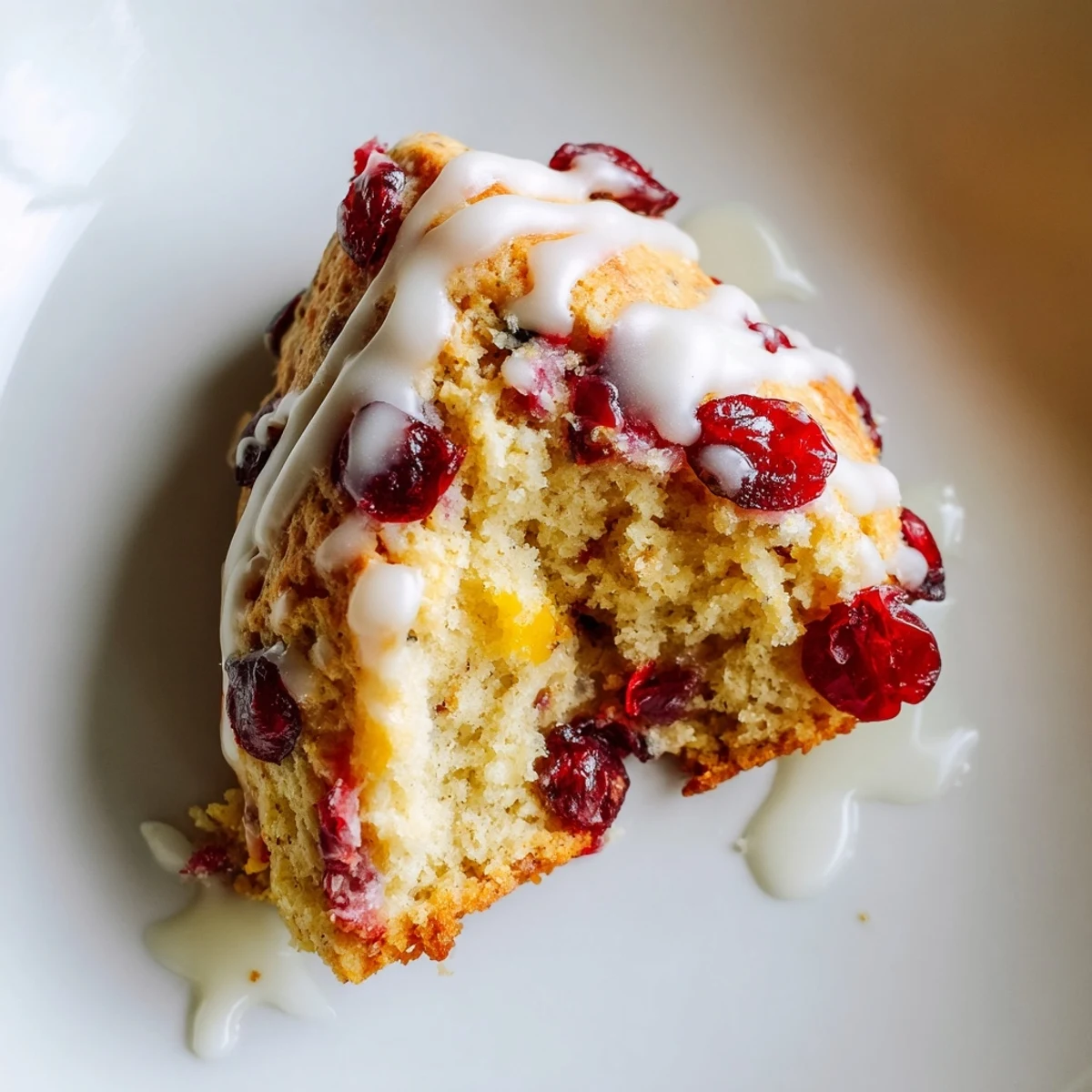
 These scones remind me that some of the best things in life don't require complexity or hours of work—just a few good ingredients, a little attention, and someone to share them with. Make them this weekend and see what happens.
Recipe Questions
- → How do I keep scones tender?
-
Use cold butter cut into the flour and avoid overmixing the dough to maintain a tender texture.
- → Can I substitute dried cranberries?
-
Yes, blueberries or chopped dried apricots work well as alternatives and add different flavor notes.
- → What is the purpose of orange zest in the dough?
-
Orange zest provides bright citrus aroma and enhances the overall flavor profile of the scones.
- → How is the glaze made?
-
The glaze combines powdered sugar, freshly squeezed orange juice, and orange zest whisked until smooth, then drizzled over cooled scones.
- → Can these scones be made ahead and frozen?
-
Yes, scones freeze well without the glaze and can be glazed after thawing and warming.