
 Pin It
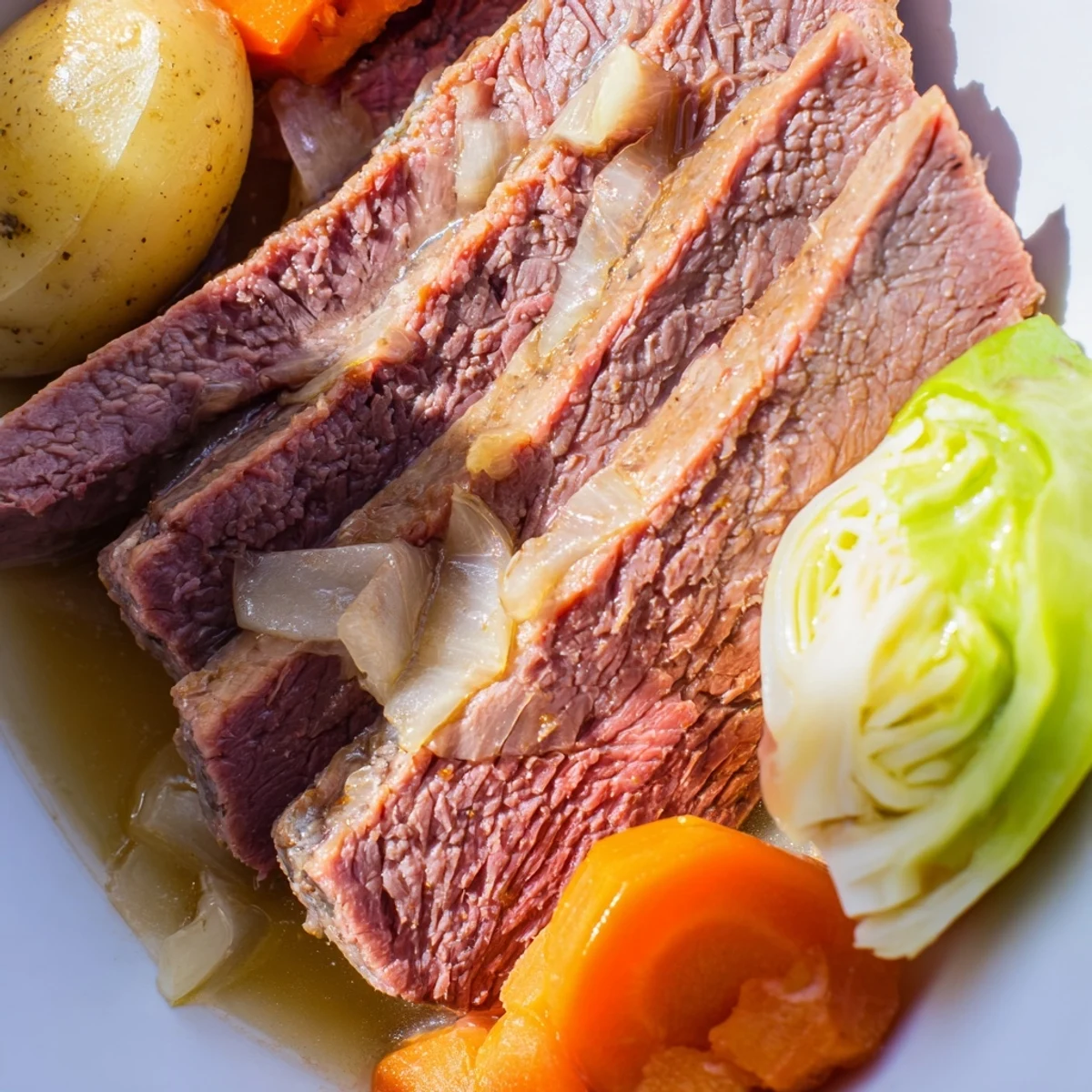
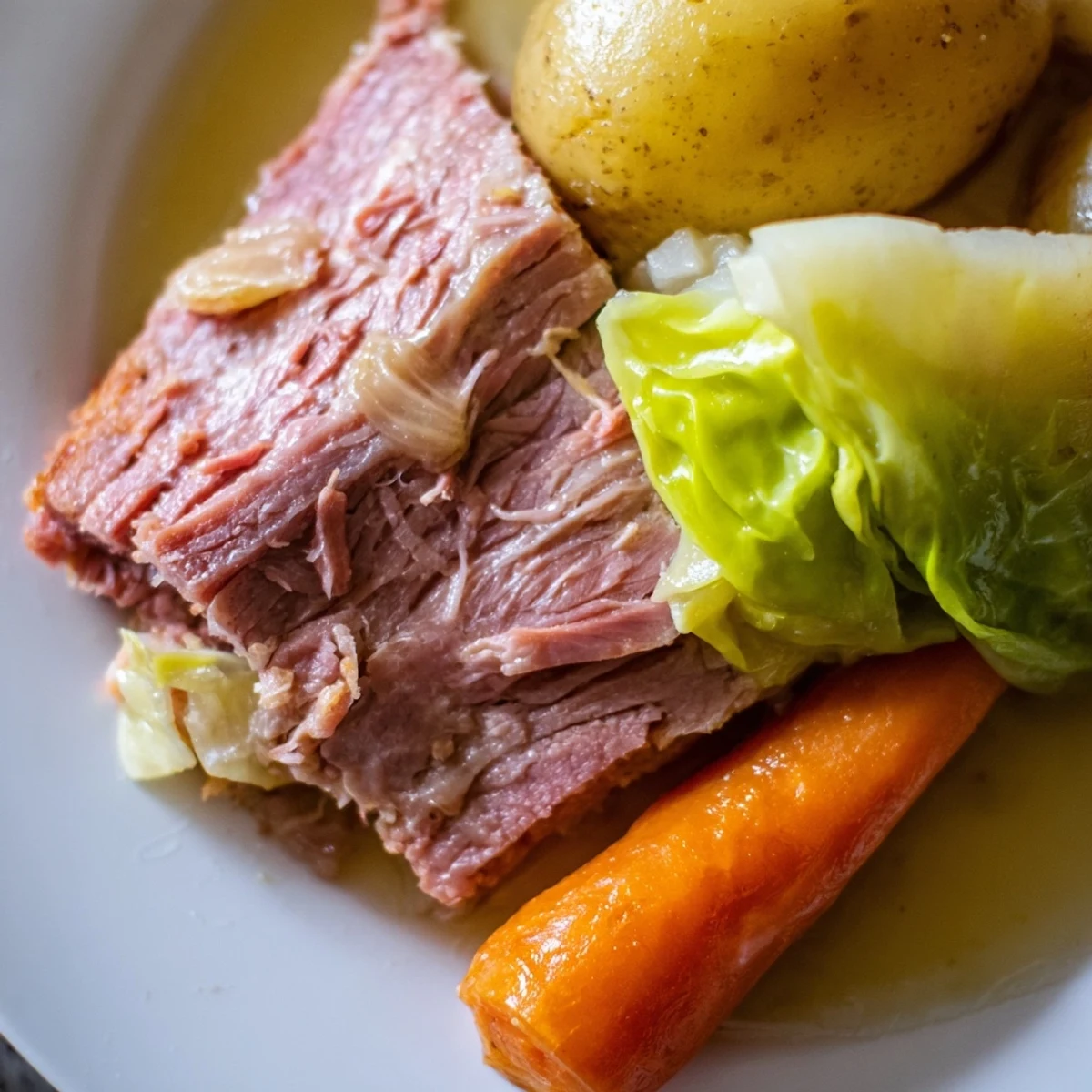
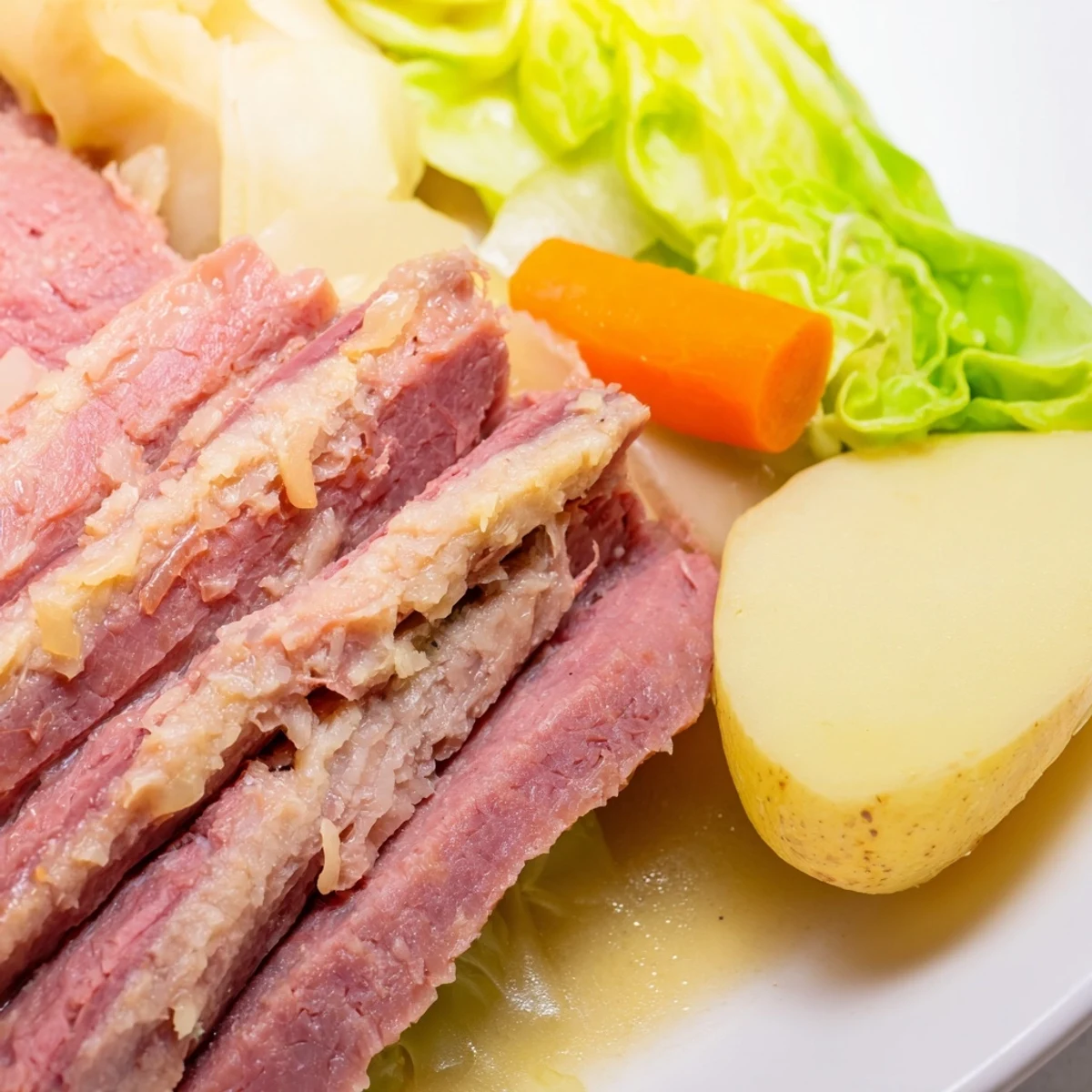
 This halal-friendly take on the classic Irish-American dish combines tender halal corned beef with wholesome vegetables for a deeply satisfying one-pot meal. The beef is first simmered with aromatic spices for 2 hours until perfectly tender, then joined by potatoes, carrots, and onion for 20 minutes before finishing with fresh cabbage wedges. The result is a flavorful, comforting dish that serves 6 and comes together in about 3 hours total. Serve with grainy mustard and fresh parsley for the perfect finishing touch.
The scent of spices simmering in my kitchen on a chilly Sunday afternoon still transports me back to my first attempt at making halal corned beef and cabbage. I had just moved to a new neighborhood with a vibrant Muslim community and wanted to adapt this Irish-American classic for a dinner gathering. What started as culinary experimentation quickly became a cherished recipe that bridges cultures and brings comfort to my table.
Last March, I served this to my friend Amir who had never tried corned beef before because of halal restrictions. The quiet that fell over the table as everyone took their first bites said everything, but his wide-eyed look of discovery made all the preparation worthwhile. After dinner, we lingered at the table for hours, trading stories while occasionally reaching for just one more bite of the fork-tender beef and vegetables.
Ingredients
- Halal Beef Brisket: Look for a piece with good marbling as this will break down during the long simmer, creating that melt-in-your-mouth texture that makes this dish so special.
- Yukon Gold Potatoes: These waxy potatoes hold their shape during cooking while absorbing all those wonderful flavors from the broth.
- Green Cabbage: The humble cabbage transforms completely in this dish, becoming sweet and tender as it soaks up the aromatic broth.
- Whole Spices: Using whole peppercorns, mustard seeds and coriander creates a more complex flavor than pre-ground versions ever could.
Instructions
- Prepare the brisket:
- Rinse your brisket under cold water to remove excess salt, then place it in a large Dutch oven and cover with water by about two inches. You should see the water gradually take on a slight tint from the beef.
- Create your aromatic bath:
- Add the kosher salt, brown sugar, and all those fragrant whole spices to the pot with the garlic. The kitchen will start filling with the most incredible aroma as everything comes to a gentle boil.
- Low and slow magic:
- Reduce the heat after skimming any foam that rises to the surface, then cover and let everything simmer for two hours. This patience is what transforms the tough brisket into something utterly tender.
- Vegetable layering:
- Add the potatoes, carrots, onion and celery, letting them simmer for 20 minutes to start their cooking process. The vegetables will begin absorbing the richly flavored broth.
- Cabbage finale:
- Place the cabbage wedges on top and continue cooking for the final 20 minutes. The cabbage softens while retaining just enough texture to complement the tender beef.
- Rest and slice:
- Let the beef rest before slicing against the grain into thin pieces. This brief pause allows the juices to redistribute throughout the meat for maximum flavor in every bite.
- Serve with pride:
- Arrange everything on a large platter with the sliced beef as the centerpiece surrounded by the colorful vegetables. A sprinkle of fresh parsley brightens the whole presentation.
 Pin It
 What makes this recipe particularly special is how it evolved into our monthly community potluck staple. A neighbor from Ireland once tasted it with tears in his eyes, saying it reminded him of home while respecting his halal observance. That moment of food bringing cultures together in my dining room is something I treasure, a reminder that adapting recipes can create bridges between traditions.
Perfecting the Flavor Balance
After several attempts at this recipe, Ive discovered that the two-stage cooking process is what truly sets exceptional corned beef apart. By simmering the beef alone first, it develops its own rich flavor profile before the vegetables are added. When friends ask why mine tastes so good, I simply tell them its all about giving each component the time and space it needs to shine.
Serving Suggestions
While traditionally served as a standalone meal, Ive found that a simple green salad with a light vinaigrette makes a wonderful counterpoint to the rich, savory flavors of the corned beef and cabbage. For special occasions, I also put a basket of warm, fresh bread on the table for soaking up every last bit of the flavorful broth, though you might want to verify its halal status if serving to observant guests.
Making the Most of Leftovers
The flavors in this dish actually deepen overnight, making leftovers something to look forward to rather than merely tolerate. My personal favorite transformation is the next-day hash made by chopping everything finely and crisping it in a skillet with a touch of olive oil.
- Thinly slice leftover corned beef for spectacular sandwiches on rye bread with grainy mustard and a few thin slices of Swiss cheese.
- The vegetables can be pureed with some broth for a hearty soup that will warm you from the inside out on cold days.
- For a quick breakfast, dice everything and warm in a skillet with an egg cracked over the top for the most satisfying corned beef hash youve ever tasted.
 Pin It
 This halal corned beef and cabbage recipe has become more than just a meal in my home, its a celebration of how food can honor both tradition and inclusivity. I hope it brings the same warmth and connection to your table that it has to mine.
Recipe Questions
- → Can I use regular beef brisket instead of halal?
-
Yes, you can substitute regular beef brisket if halal certification isn't required. The cooking method and timing remain the same, though you may want to verify spice sourcing for dietary requirements.
- → How do I know when the corned beef is done?
-
The beef is ready when it's fork-tender and easily pierces without resistance, typically after 2 hours of simmering. You can also test by inserting a knife—it should slide through with minimal pressure.
- → Can I prepare this in a slow cooker?
-
Absolutely. Cook the beef on low for 6-8 hours, then add potatoes, carrots, and onion for the last 45 minutes, and cabbage for the final 20 minutes.
- → What's the best way to slice the corned beef?
-
Always slice against the grain for maximum tenderness. Let the beef rest for 10 minutes after removing from the pot, then use a sharp knife to create thin, uniform slices.
- → Are there good substitutes for the vegetables?
-
Feel free to swap carrots for parsnips, use different potato varieties, or add turnips. Cabbage and onion are essential for authentic flavor, but other hardy vegetables work well in the last cooking stage.
- → How should I store and reheat leftovers?
-
Store in an airtight container in the refrigerator for up to 4 days. Reheat gently on the stovetop over medium-low heat with a splash of water, or microwave individual portions. The leftovers make excellent sandwiches on rye bread.