
 Pin It
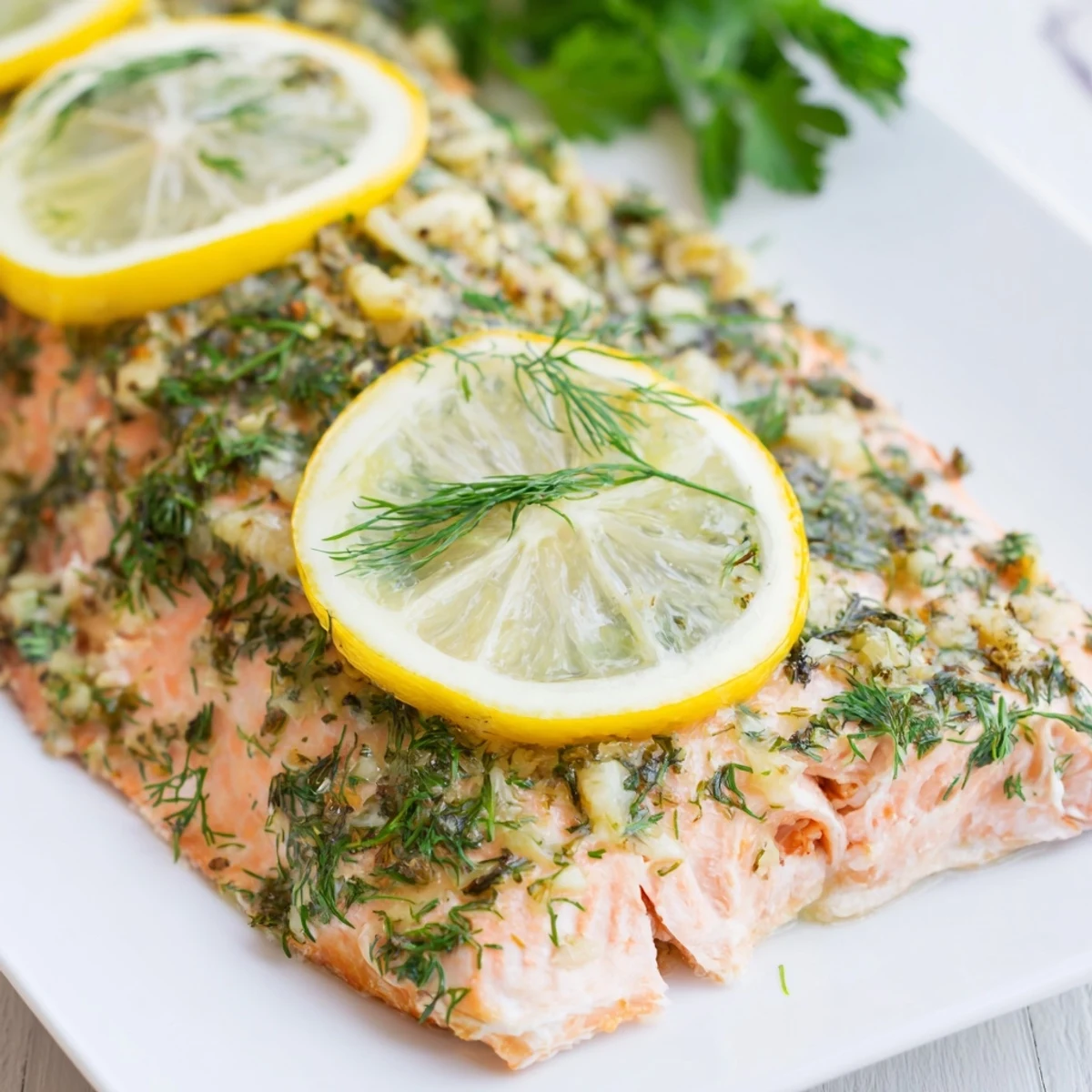
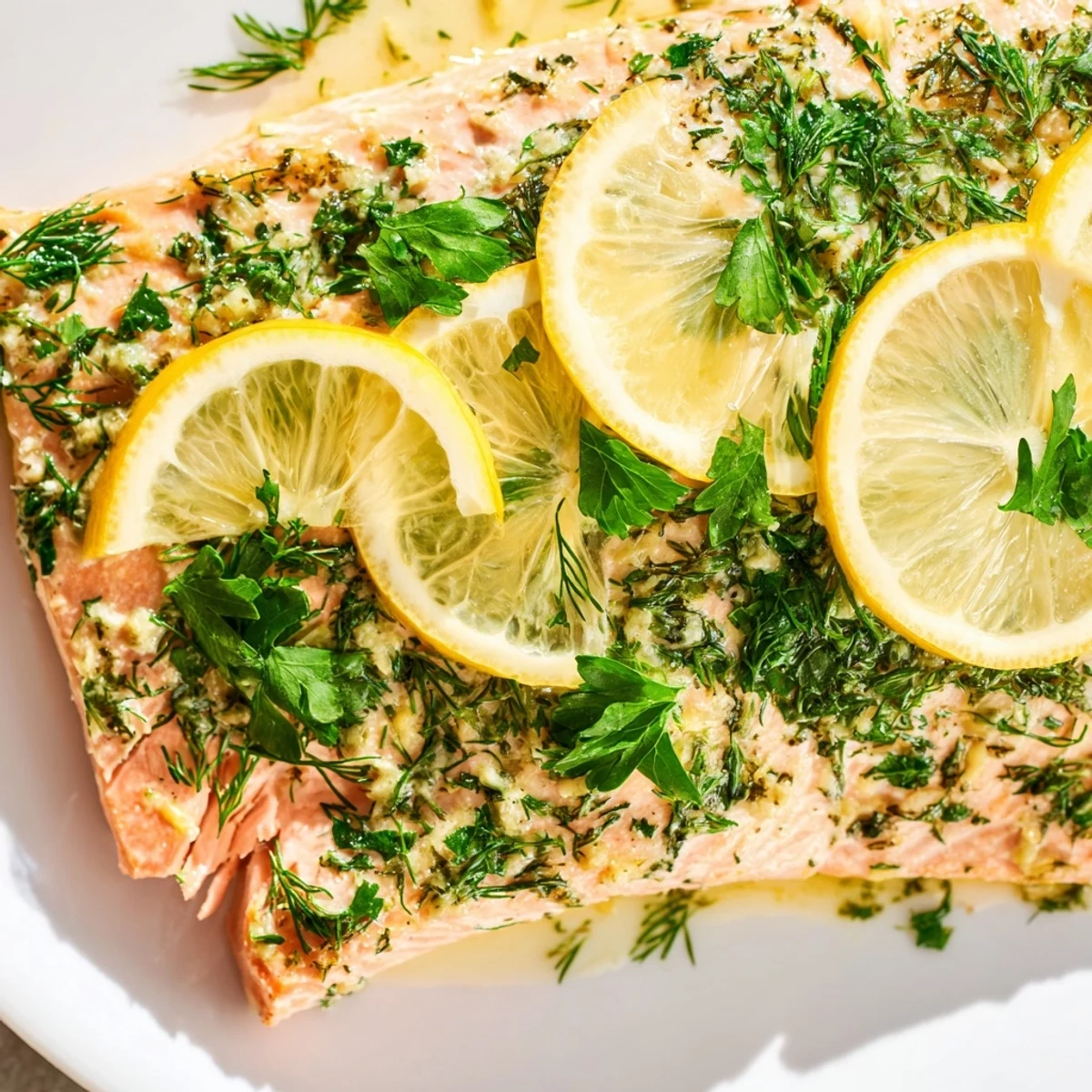
 This oven-baked salmon delivers tender, flaky fish with a bright citrus and herb profile. The combination of fresh lemon juice, Dijon mustard, garlic, and honey creates a balanced glaze that caramelizes beautifully while the salmon cooks through. Fresh dill and parsley add aromatic depth, while thin lemon slices on top infuse additional citrus essence during baking.
Perfect for busy weeknights, this dish comes together in just 25 minutes total time. The high oven temperature ensures the salmon develops a lovely exterior while remaining moist inside. Serve alongside roasted vegetables, over steamed rice, or with a crisp green salad for a complete, nutritious meal that feels elegant yet effortless.
The lemon scent hit me before I even walked into my sister's kitchen that Tuesday evening. She'd been experimenting with weeknight dinners that felt fancy without the fuss, and this salmon was her latest triumph. Watching her slide that baking sheet from the oven changed how I thought about simple fish forever.
Last summer my neighbor asked for the recipe after she smelled it through our open windows. Her teenage son actually asked for seconds, which she said was nothing short of a miracle. Now it's their Friday night staple, proof that sometimes the simplest dishes win everyone over.
Ingredients
- 4 salmon fillets: I've learned that center-cut pieces cook more evenly, and don't be afraid to ask your fishmonger for the freshest catch they have.
- 2 tbsp olive oil: Extra virgin gives you that fruity undertone that pairs so beautifully with the bright lemon.
- 2 tbsp fresh lemon juice: Room temperature lemons yield more juice, and a quick roll on the counter helps release every drop.
- 1 tbsp Dijon mustard: The emulsifying magic that makes your glaze cling to the fish instead of running off.
- 2 garlic cloves: Freshly minced garlic packs way more punch than the jarred stuff.
- 1 tsp honey: Just enough to balance the acid and create those lovely caramelized edges.
- 2 tbsp fresh dill and parsley: I chop these together so they're evenly distributed, and fresh herbs make such a difference here.
- 1 lemon for topping: Thin slices are key, thick ones can overpower the delicate fish flavor.
Instructions
- Get your oven ready:
- Preheat to 400°F and line that baking sheet with parchment. Cleanup becomes almost too easy.
- Whisk up your magic glaze:
- Combine the olive oil, lemon juice, Dijon, garlic, honey, salt, and pepper until it's smooth and emulsified.
- Prep your salmon:
- Arrange fillets skin side down if you kept it on, then brush that gorgeous glaze over every inch.
- Add the fresh herbs:
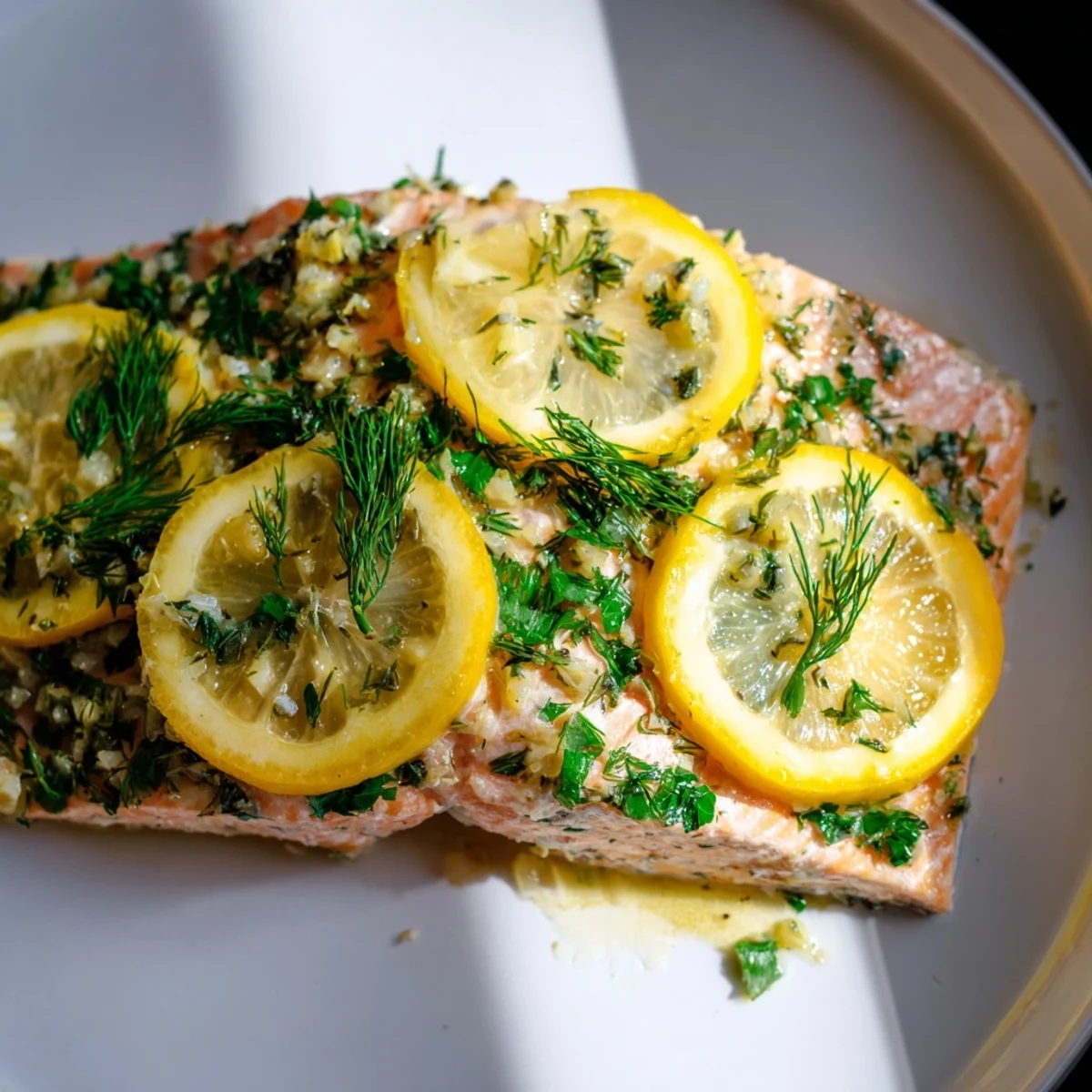
- Sprinkle dill and parsley generously, then top each piece with a couple lemon slices like little citrus crowns.
- Bake to perfection:
- 12 to 15 minutes usually does it. The fish should flake easily and look opaque throughout.
- Let it rest:
- Just two minutes makes a difference in moisture redistribution. Trust me on this one.
 Pin It
 This became my anniversary dinner of choice after my husband mentioned it was the best salmon he'd ever tasted. We've since made it for Valentine's, in-laws visiting, and those random Tuesdays when we need something to celebrate.
Make-Ahead Magic
I've mixed the glaze up to 24 hours ahead and stored it in a jar. Give it a good shake before using, and you can marinate the fish for 30 minutes before baking if you have the time. The flavor penetrates deeper but honestly, it's delicious either way.
Side Dish Pairings
Roasted asparagus with parmesan has become our go-to pairing. The earthiness plays perfectly with the bright salmon. I've also served it over garlic butter rice, alongside a crisp arugula salad, or with simple roasted sweet potatoes when we want something hearty.
Leftover Ideas
If you somehow have leftovers, they're incredible flaked into scrambled eggs the next morning. I've also made salmon cakes by mixing with breadcrumbs and a little egg, then pan-frying until golden. A quick salmon caesar salad works beautifully too.
- Store leftovers in an airtight container for up to 2 days
- Cold salmon makes excellent lunchbox additions
- The glaze intensifies in flavor overnight
 Pin It
 Sometimes the most elegant dinners are the ones that practically make themselves while you pour a glass of wine and breathe.
Recipe Questions
- → How do I know when the salmon is done?
-
The salmon is finished when it flakes easily with a fork and appears opaque throughout the center. The internal temperature should reach 145°F (63°C). The flesh should be slightly translucent and moist, not dry or chalky.
- → Can I use frozen salmon fillets?
-
Yes, frozen salmon works well for this method. Thaw completely in the refrigerator overnight before preparing. Pat the fillets dry with paper towels to remove excess moisture, which helps the seasoning adhere properly and promotes even cooking.
- → What herbs work best with this preparation?
-
Fresh dill and parsley are traditional choices that pair beautifully with salmon. You can also try basil, chives, tarragon, or cilantro for different flavor profiles. Dried herbs work in a pinch—use about one-third the amount since dried flavors are more concentrated.
- → Should I remove the skin before baking?
-
Either method works well. Skin-on salmon helps hold the fillet together and protects the flesh from direct heat. If you prefer skinless, the fillets will still cook beautifully and may absorb more marinade flavor. Simply remove the skin after cooking if desired.
- → Can I marinate the salmon ahead of time?
-
Absolutely. Marinating for 15-30 minutes before baking enhances the flavor penetration. For longer marinating up to 2 hours, refrigerate the fillets in the mixture. Avoid marinating longer than 2 hours as the acid can begin to break down the fish texture.
- → What temperature should I bake salmon at?
-
400°F (200°C) is ideal for this recipe. The high heat creates a lovely exterior while keeping the interior moist and tender. Lower temperatures take longer and may result in less desirable texture, while higher heat risks drying out the fish before the center cooks through.