
 Pin It
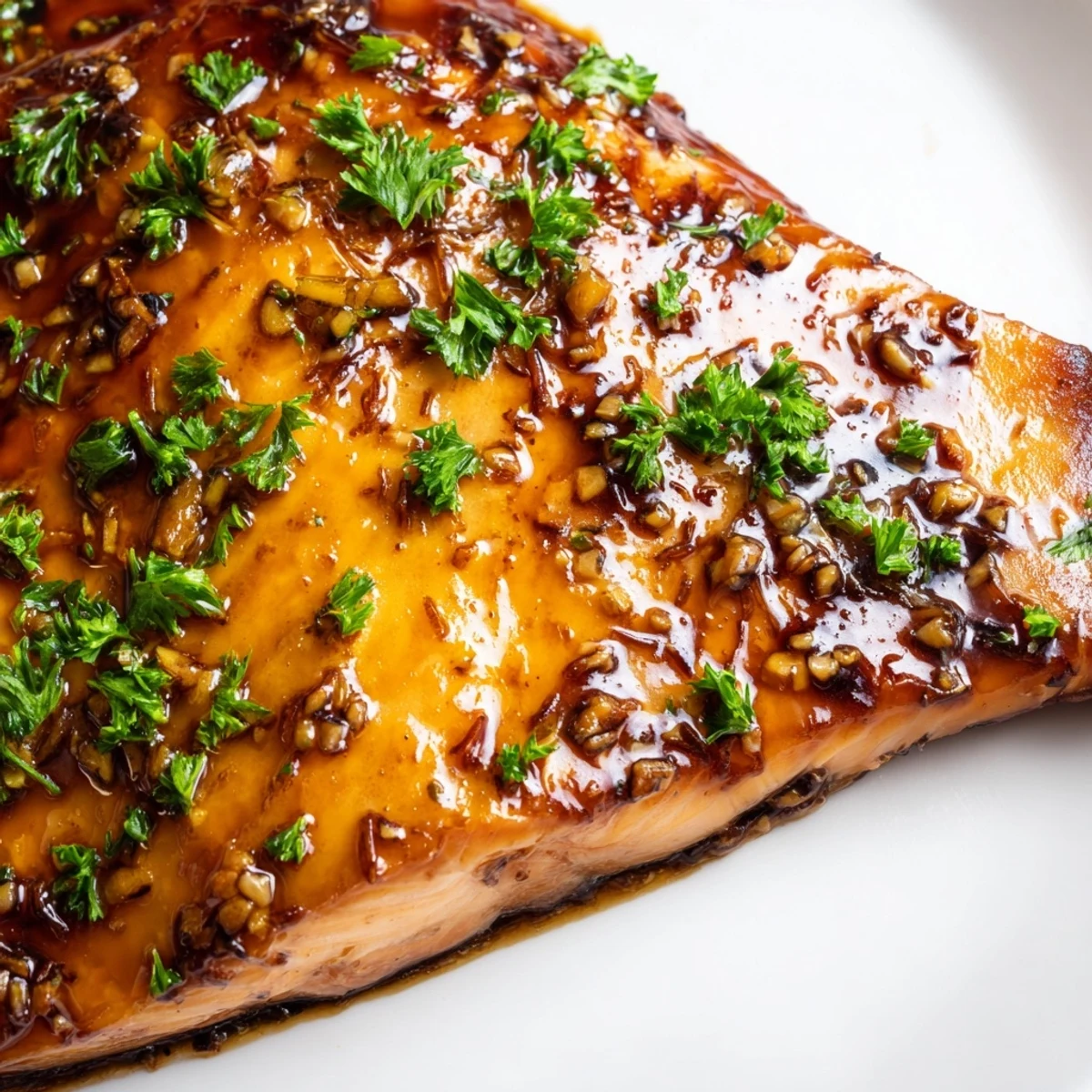
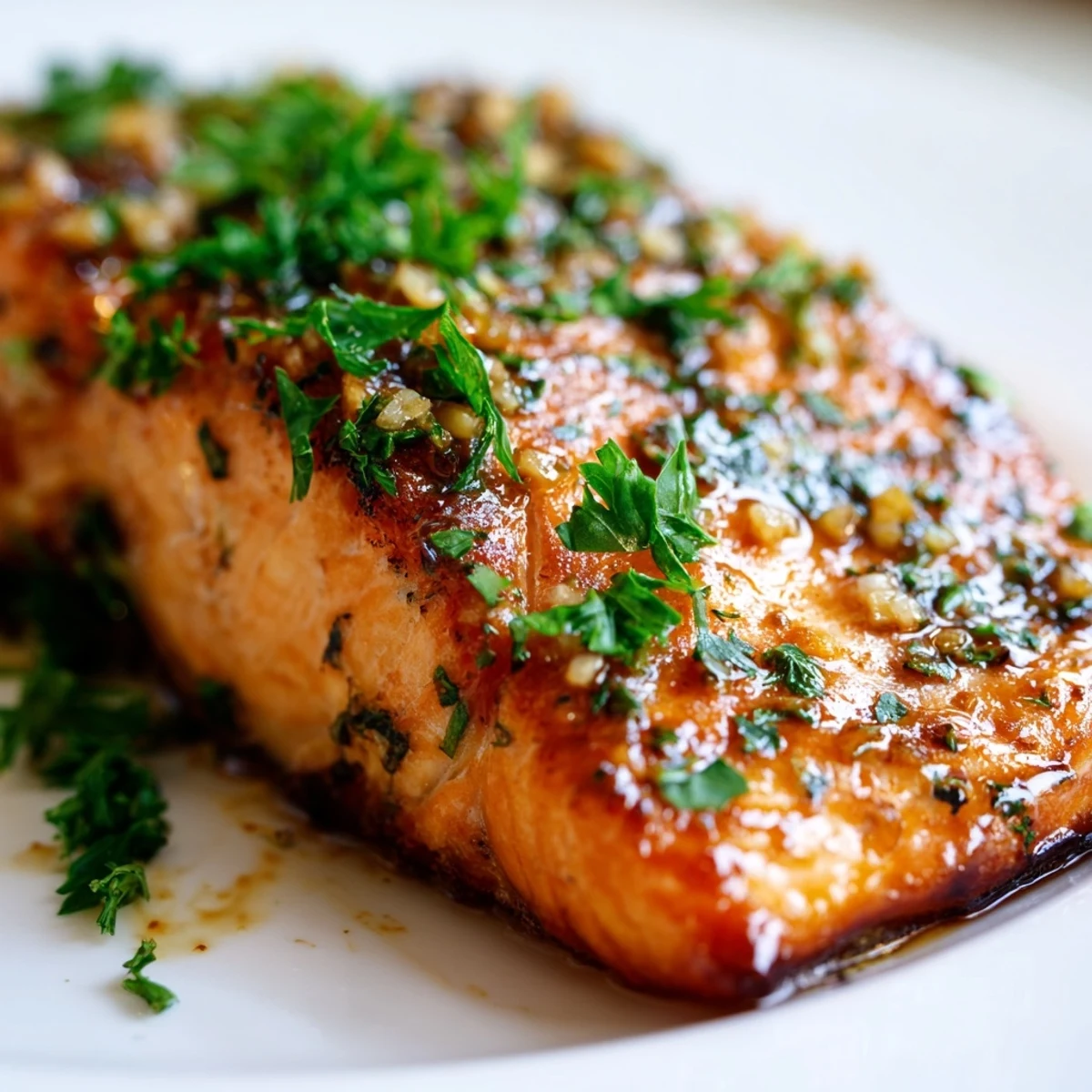
 This dish features tender salmon fillets oven-baked to flaky perfection and coated in a sweet and savory honey garlic glaze. The glaze combines honey, soy sauce, fresh lemon juice, garlic, olive oil, and a hint of ginger to create a flavorful coating that caramelizes beautifully in the oven. Finished with fresh parsley and lemon wedges, it offers a quick, elegant main course suitable for pescatarian and gluten-free diets. Perfect served alongside steamed rice or roasted vegetables.
I discovered this salmon recipe on a Tuesday evening when my partner mentioned craving something elegant but quick. There was nothing fancy in my kitchen except a jar of honey, some garlic, and a salmon fillet that needed rescuing from the back of the freezer. Twenty-five minutes later, the kitchen smelled like caramelized garlic and the glaze had turned this ordinary fish into something that felt restaurant-worthy.
One Saturday I made this for friends who eat everything, and someone asked if I'd added miso. I hadn't, but the honey and soy sauce had created this umami depth that made people linger at the table longer than expected. That's when I realized this wasn't just a quick dinner hack, it was actually something worth repeating intentionally.
Ingredients
- Salmon fillets, 4 pieces at 170g each: Look for fillets that feel firm and smell briny, not fishy. Skin-on keeps the fish moist, but skinless works if that's what you prefer.
- Honey, 3 tablespoons: This isn't about sweetness alone; honey caramelizes and creates a glossy finish that looks intentional. Use whatever honey you have.
- Soy sauce, 3 tablespoons: The salt and depth here are essential, so don't skip it or dilute it. Gluten-free versions work perfectly if you need them.
- Fresh lemon juice, 2 tablespoons: Bottled works, but fresh juice makes a real difference in how bright the glaze tastes.
- Garlic cloves, 4, minced: Don't use pre-minced if you can help it. Fresh garlic becomes sweet and mellow when baked.
- Olive oil, 1 tablespoon: This helps the glaze spread and prevents sticking on the pan.
- Fresh ginger, 1 teaspoon grated: Optional but worth adding if you have it; it brings a subtle warmth that lingers.
- Black pepper, ½ teaspoon: Freshly ground makes a noticeable difference in the final taste.
- Fresh parsley, 2 tablespoons chopped: The green color makes the finished dish look alive. Chop it right before serving.
- Lemon wedges for serving: These aren't just decoration; a squeeze of fresh lemon at the table brings everything into focus.
Instructions
- Get your oven ready:
- Heat the oven to 200°C and line your baking sheet with parchment paper. This takes the worry out of cleanup and keeps the salmon from sticking.
- Mix the glaze:
- In a small bowl, whisk the honey, soy sauce, lemon juice, minced garlic, olive oil, ginger, and black pepper together until the honey dissolves. You'll see the mixture turn glossy and slightly darker.
- Prepare the salmon:
- Pat your salmon fillets dry with paper towels and place them skin-side down on the prepared sheet. Dry salmon accepts the glaze better and will cook more evenly.
- Coat with the glaze:
- Spoon or brush the glaze generously over each fillet, making sure the garlic bits are distributed. Don't be shy here; you want every piece to taste it.
- Bake until just cooked:
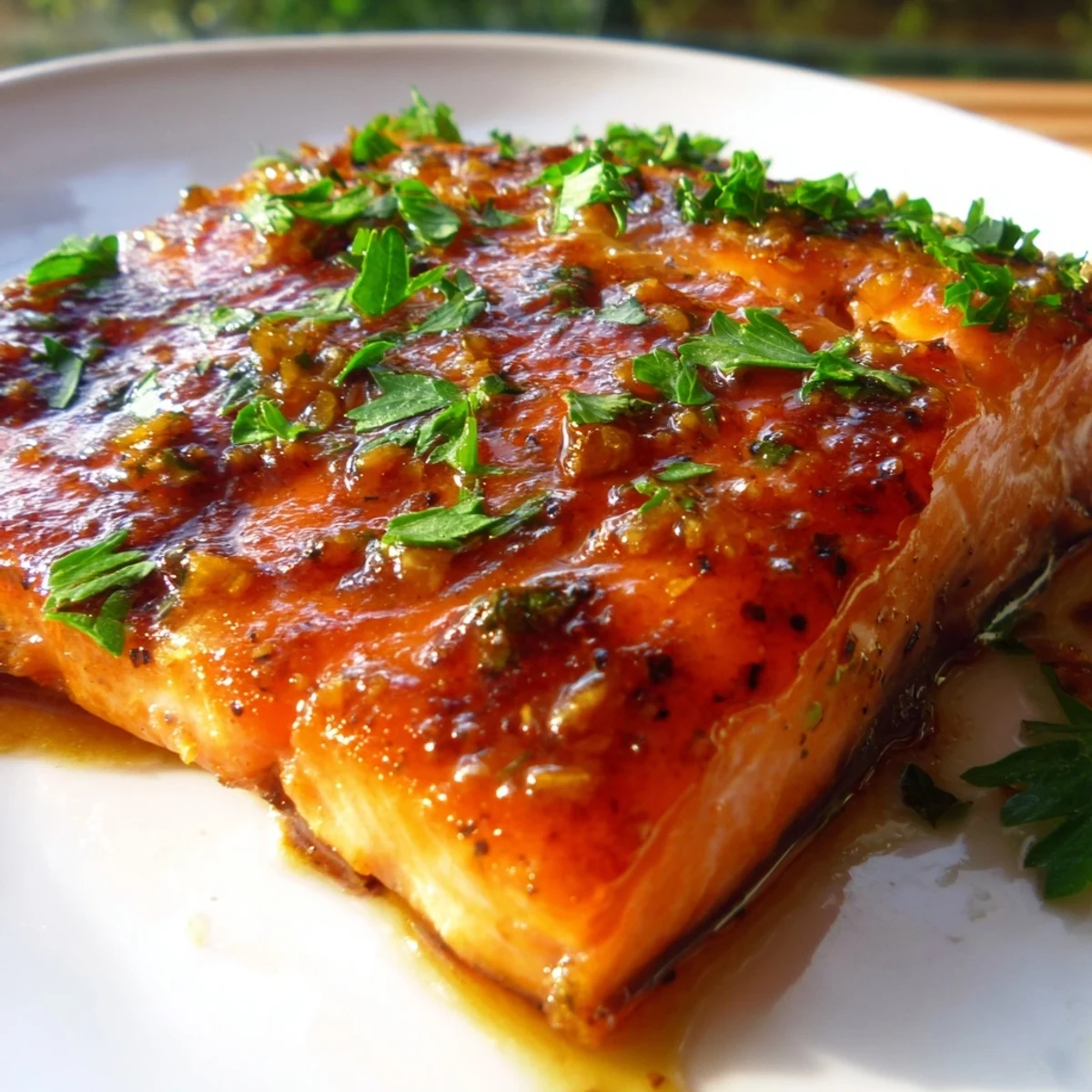
- Slide the sheet into the oven for 12 to 15 minutes. The salmon is done when it flakes easily with a fork and the center looks opaque, not translucent. If you want that caramelized finish, turn the broiler on for 1 to 2 minutes at the end and watch it carefully.
- Finish and serve:
- Transfer the fillets to plates, pour any pan juices over top, and scatter the fresh parsley across. Serve with lemon wedges so everyone can add brightness to their own bite.
 Pin It
 There was a moment when I served this to someone who claimed they didn't really like fish, and they came back for seconds. That's when I understood that technique and care matter more than the ingredient's reputation.
Why This Glaze Works
The combination of honey and soy sauce is deceptively simple, but it's actually a balance of sweet, salty, and savory that makes salmon sing. The honey provides sweetness and helps create that caramelized crust when heat hits it, while soy sauce adds depth and umami that you can't get any other way. Lemon juice cuts through the richness, and garlic becomes almost candy-like when baked slowly. This isn't a glaze that fights the salmon; it's one that amplifies what was already there.
Timing and Temperature Precision
The difference between perfect and overdone salmon is genuinely about 2 minutes, which sounds dramatic but it's true. I learned this the hard way by checking too often, which just let heat escape. Now I set a timer for 12 minutes, walk away, and come back only when it goes off. The fork-flakes-easily test is your friend, but you need to be gentle with it.
Sides and Variations
This salmon is flexible and wants to work with whatever you have in your kitchen. Steamed rice soaks up the pan juices beautifully, roasted vegetables give you something to balance the richness, and a crisp salad feels light and intentional. You can also swap the honey for maple syrup if you want a deeper, less bright sweetness, or add a teaspoon of ginger if you're feeling it. The glaze stays the same structure, just shifts slightly in personality.
- Pair with Sauvignon Blanc or Pinot Grigio if you're thinking about wine; the acidity cuts through the glaze perfectly.
- Make extra glaze and drizzle it over the rice or vegetables for cohesion on the plate.
- Leftovers are delicious cold the next day, flaked over a salad or served as-is with extra lemon.
 Pin It
 This recipe proved to me that simple doesn't mean boring, and that sometimes the best dinners come from working with what you have. Now whenever I want to cook something that feels special without the stress, this is what I reach for.
Recipe Questions
- → How do I prevent salmon from drying out?
-
Ensure the salmon is not overcooked by baking it just until it flakes easily with a fork, usually 12–15 minutes at 200°C (400°F).
- → Can I use a different sweetener instead of honey?
-
Yes, maple syrup is a great alternative that provides a unique sweetness and pairs well with the garlic and soy flavors.
- → Should I leave the skin on the salmon fillets?
-
Skin-on fillets help retain moisture during cooking and add a crispy texture if broiled at the end.
- → What sides pair well with this salmon dish?
-
Steamed rice, roasted vegetables, or a crisp salad make excellent accompaniments to balance the rich glaze.
- → Is it necessary to broil the salmon after baking?
-
Broiling for 1–2 minutes adds caramelization to the glaze, enhancing flavor and texture, but is optional.