
 Pin It
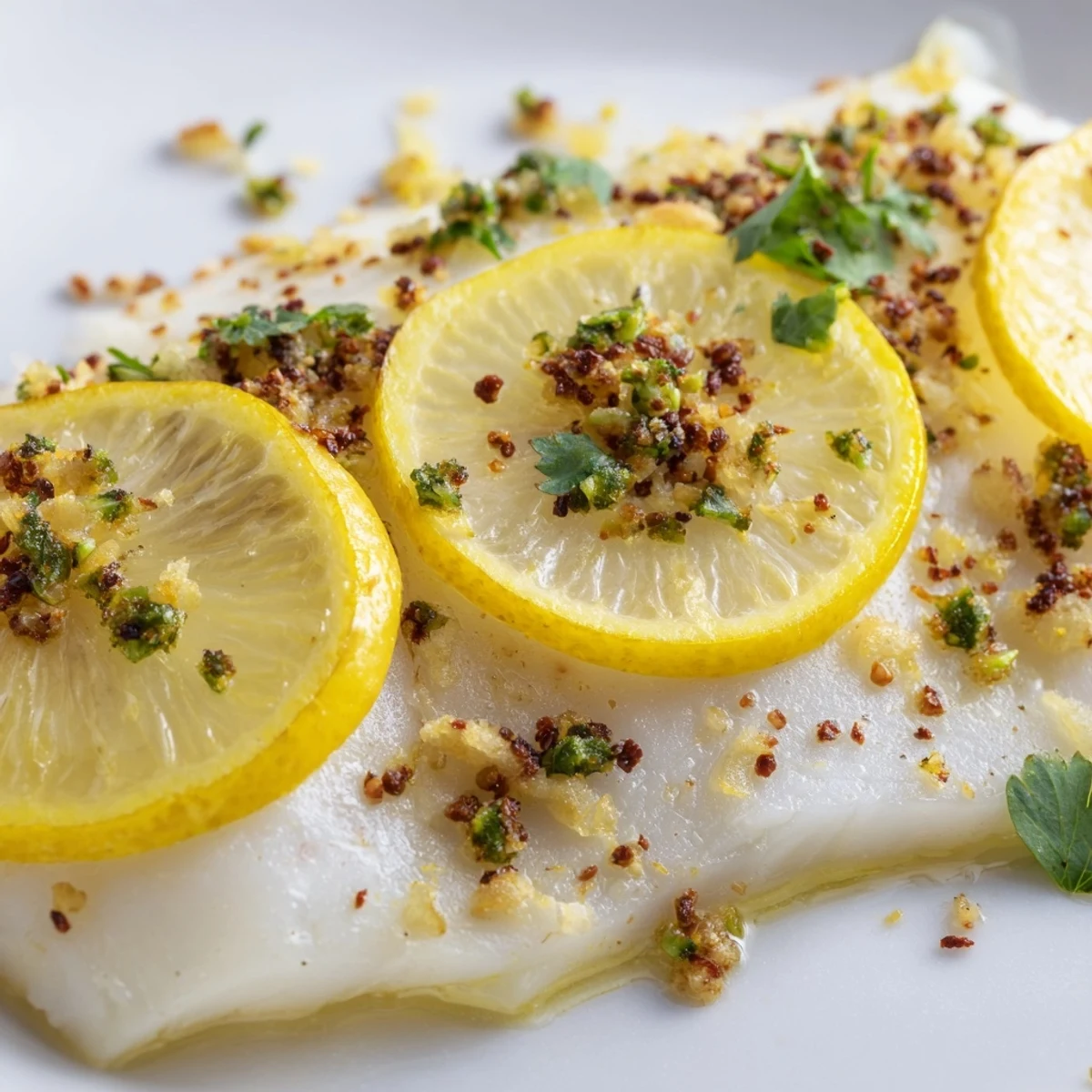
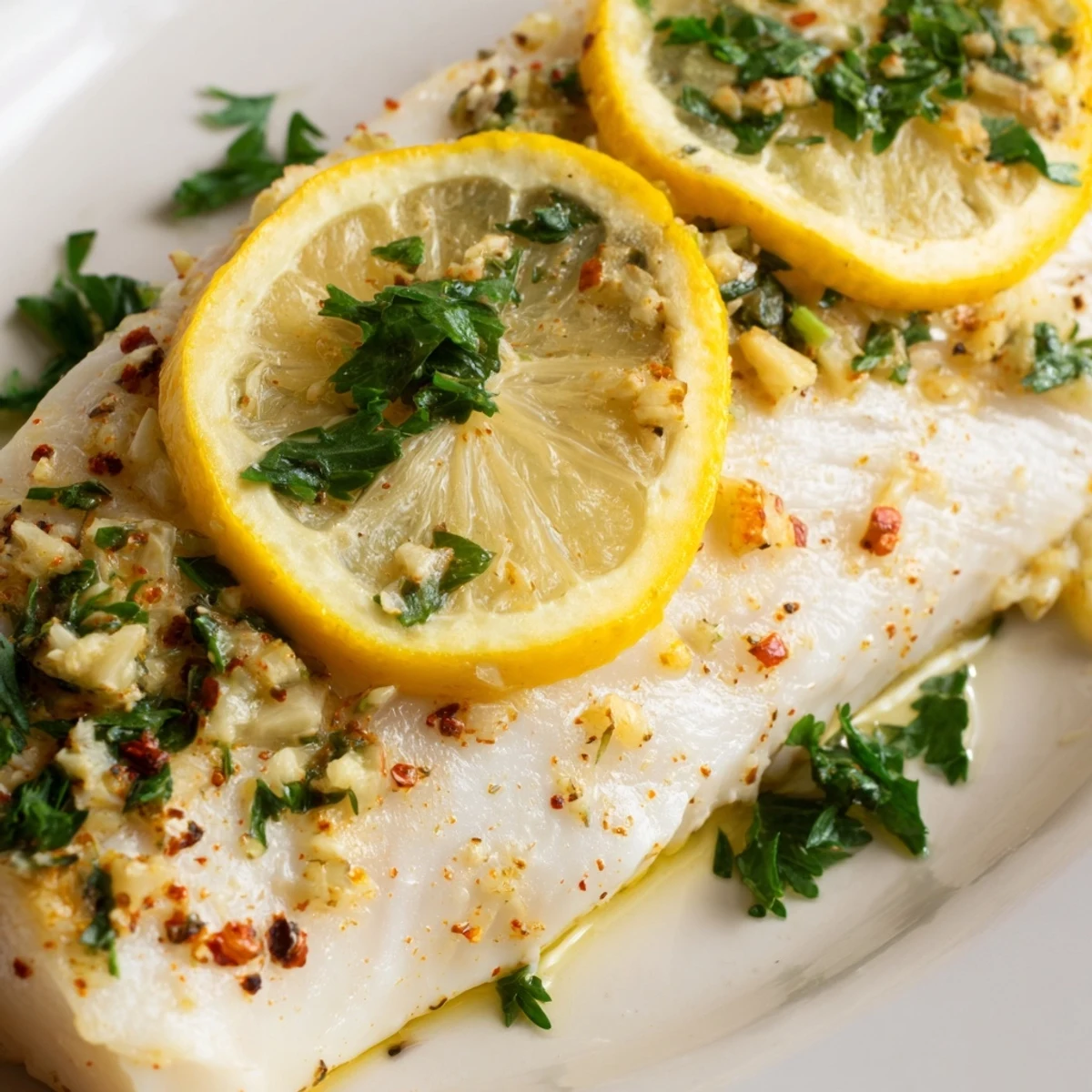
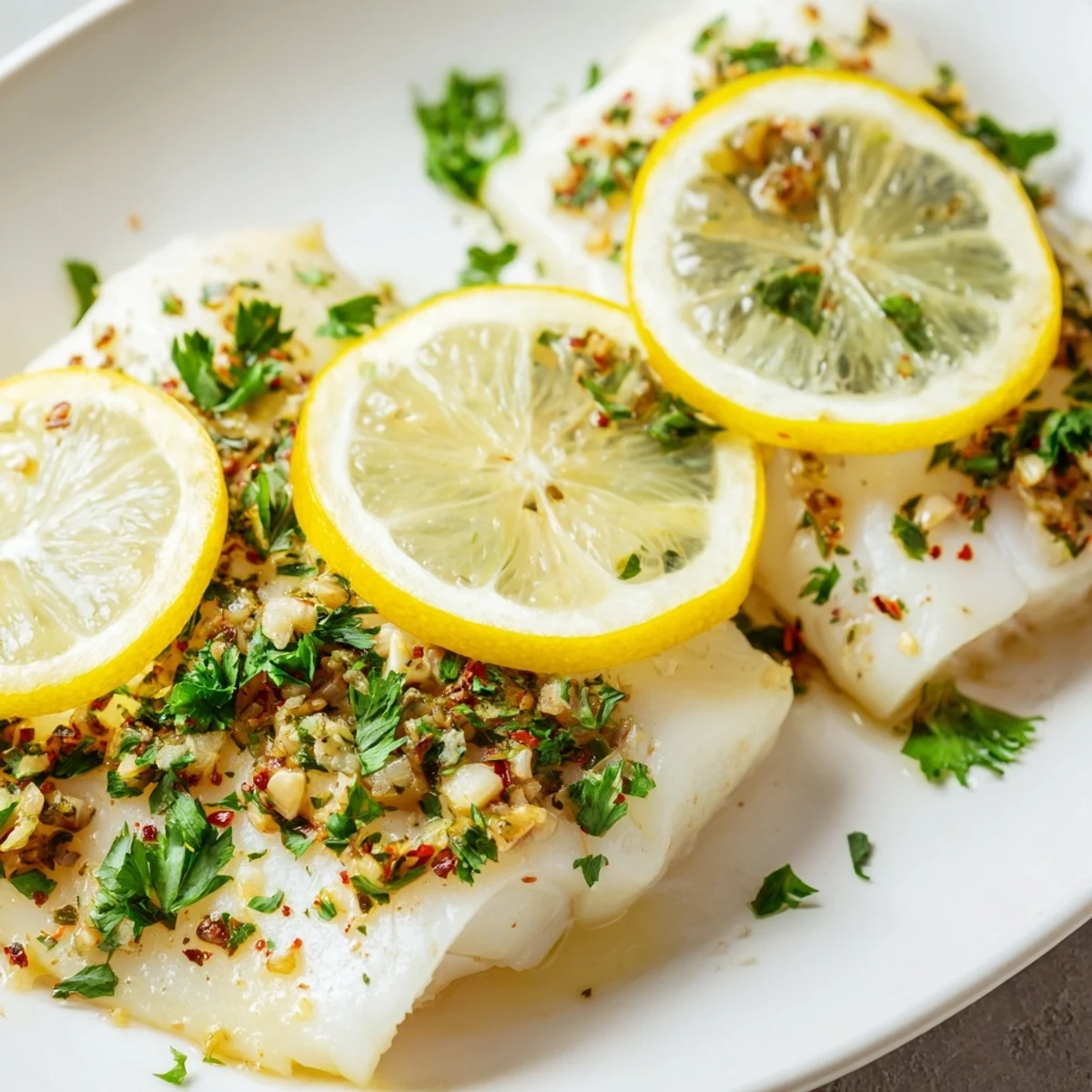
 This dish features tender white fish fillets seasoned with salt, pepper, and paprika, then topped with minced garlic, fresh parsley, and thin lemon slices. The fish is coated with olive oil and baked at 200°C until flaky and opaque. It offers a light, healthy meal rich in protein and flavor, perfect for a quick and easy main course. Variations include adding white wine or swapping herbs like dill or basil to change the flavor profile. Serve with steamed vegetables, rice, or a fresh salad.
There's something deeply satisfying about watching a simple fish fillet transform in the oven—pale and lean, then suddenly glistening with warmth and infused with the smell of garlic and lemon. I discovered this recipe on a weeknight when I had almost nothing in the kitchen except a package of frozen cod and half a lemon, and somehow those bare-bones ingredients turned into dinner that felt like I'd actually planned it. My partner came home to that citrus-herb aroma and immediately asked what smelled so good, which is always the highest compliment. That's when I realized how elegant simplicity could be.
I remember making this for my sister when she was going through a phase of avoiding heavy foods, and she ate two fillets while standing at the counter, telling me she'd forgotten how much she loved fish cooked this way. The lemon kept releasing its brightness as she ate, and I realized this recipe isn't just food—it's proof that restraint and good ingredients speak louder than fussy technique.
Ingredients
- White fish fillets (4 pieces, about 150g each): Cod, haddock, or tilapia all work beautifully here, and choosing thicker fillets helps them stay moist through baking.
- Olive oil (2 tablespoons): This is your insurance policy for tender fish—it keeps everything from drying out while the oven does its work.
- Fresh lemon (1 whole): Thinly slice it so the acid and oils infuse directly into the fish as it cooks, not just sitting on top.
- Garlic cloves (2), minced: The heat mellows the sharpness into something sweet and subtle, almost like garlic butter without the butter.
- Fresh parsley (2 tablespoons, chopped): Added fresh and bright, it feels like the finishing touch that makes people think you actually know what you're doing.
- Salt and black pepper: Generous with both—this isn't the time to be shy with seasoning.
- Paprika (½ teaspoon, optional): A whisper of it adds color and a gentle warmth without overpowering the delicate fish.
Instructions
- Heat your oven and prep the pan:
- Set the oven to 200°C (400°F) and line your baking tray with parchment paper or a light coating of oil—this step feels small, but it's the difference between fish that releases cleanly and fish that sticks. You want everything ready before the fish touches the tray.
- Dry the fillets thoroughly:
- Pat them down with paper towels as if you're being gentle with something precious, because you are. Moisture is the enemy of browning and even cooking, so don't skip this.
- Oil and season generously:
- Drizzle the olive oil over each fillet and rub it in so every surface gets a thin, even coat, then sprinkle salt, pepper, and paprika on both sides. This is when the fish starts to look intentional.
- Layer on the flavor:
- Scatter the minced garlic across the fillets, then the parsley, then lay the lemon slices on top like you're tucking them in. The lemon will steam and infuse as everything cooks together.
- Bake until flaky:
- Slide it into the oven for 15 to 20 minutes—the exact time depends on how thick your fillets are. You'll know it's done when the flesh flakes easily with a fork and has turned opaque all the way through, with no translucent center.
- Serve while warm:
- Transfer to plates immediately, maybe scatter a bit more fresh parsley on top, and serve with lemon wedges on the side so people can add brightness as they eat.
 Pin It
 I made this for a friend who'd been sick and couldn't face anything heavy, and watching her eat with actual appetite reminded me that sometimes the most nourishing meals are the ones that feel effortless. She asked for the recipe that night, and now it's in her regular rotation.
The Science of Gentle Cooking
Fish contains delicate proteins that bond and tighten quickly when exposed to heat, which is why overcooked fillets turn rubbery and dry. Baking at a moderate temperature instead of blasting them in a hot pan means the heat penetrates slowly and evenly, allowing the flesh to cook through while staying impossibly tender. The olive oil and lemon juice work together as a flavor bridge, carrying the garlic and parsley into the fish rather than sitting separately on top.
What to Serve Alongside
This recipe is forgiving about what you put next to it because the fish itself is the star. Steamed broccoli or asparagus picks up the lemon and garlic notes, while a side of rice or potatoes gives you something hearty to balance the lightness. A fresh salad with a vinaigrette brings acid and crunch that echoes the lemon already on the plate.
Variations to Keep Things Fresh
If you're in the mood to shift the flavor profile, this recipe welcomes it without falling apart. Swap the parsley for dill or basil, add a splash of white wine before baking for subtle depth, or layer thin slices of tomato under the fish for a southern-style touch. The bones of the recipe—gentle heat, good oil, citrus, and herbs—stay the same while everything else becomes negotiable.
- A handful of capers scattered over the fish adds brininess that makes people ask what that flavor is.
- Thinly sliced fennel laid under the fish cooks soft and sweet alongside the lemon.
- A pinch of red pepper flakes brings warmth without heat if you want a little more personality.
 Pin It
 This recipe has become my answer to the question of what to cook when you want something that tastes good without tasting like effort. It's proof that sometimes the best meals are the ones where the ingredients speak for themselves.
Recipe Questions
- → What type of fish is best for this dish?
-
White fish fillets like cod, haddock, or tilapia work best due to their mild flavor and flaky texture.
- → Can I use other herbs besides parsley?
-
Yes, fresh dill or basil can be used to provide a different herbal aroma and flavor.
- → How do I know when the fish is fully cooked?
-
The fish is cooked when it flakes easily with a fork and appears opaque throughout.
- → Is olive oil the best choice for baking fish?
-
Olive oil adds a subtle fruitiness and helps keep the fish moist during baking.
- → Can I add wine for extra flavor?
-
Yes, a splash of white wine before baking enhances the aroma and depth of flavor.