
 Pin It
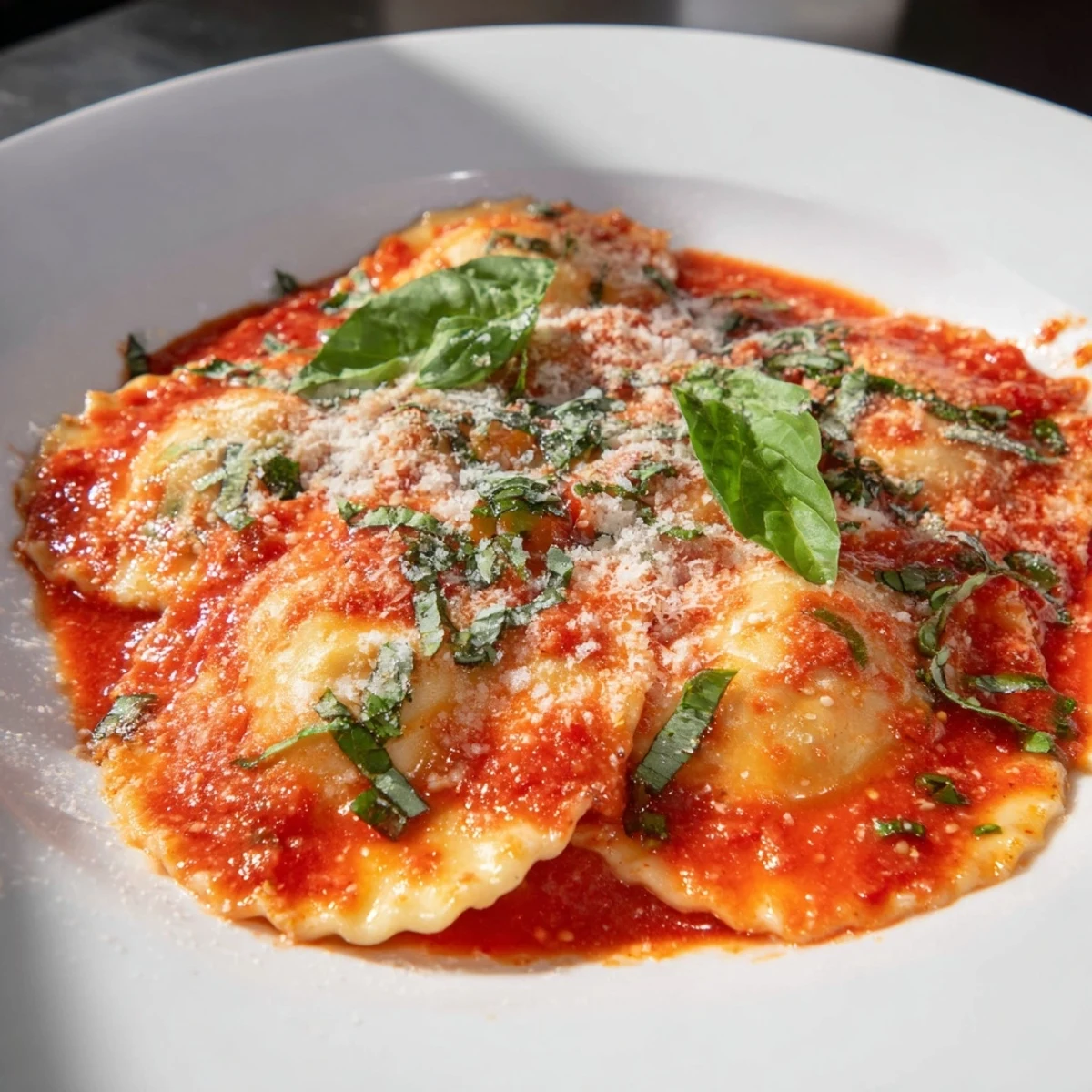
 This Italian-inspired dish brings together tender cheese-filled pasta with a rustic tomato-basil sauce that comes together in under 20 minutes. The sauce balances sweet crushed tomatoes with aromatic garlic, dried oregano, and a hint of red pepper flakes for gentle warmth.
Fresh basil adds brightness, while a generous dusting of Parmesan provides the perfect savory finish. Ideal for hectic weeknights when you want something homemade without spending hours in the kitchen.
The evening I discovered I could make restaurant-quality ravioli in less time than it takes to order delivery was honestly a little life-changing. I'd been meaning to try this quick sauce method for weeks, and when I finally did, my kitchen smelled like an Italian grandmother's secret weapon. Now it's become my go-to for those nights when comfort food is non-negotiable but time definitely is.
Last Tuesday my friend Sarah dropped by unexpectedly after a particularly brutal day at work. I had this going on the stove within minutes of her walking through the door, and watching her face light up after that first bite reminded me why simple, honest food matters so much.
Ingredients
- 500 g (18 oz) fresh or refrigerated cheese ravioli: Fresh pasta cooks in just 3-4 minutes and has such a tender, delicate texture that frozen simply cant match
- 2 tablespoons olive oil: A good quality extra virgin oil adds a fruity richness that forms the backbone of your simple sauce
- 3 garlic cloves, finely chopped: Freshly minced garlic releases more oils and flavor than pre-chopped or jarred versions
- 1 can (400 g/14 oz) crushed tomatoes: Whole tomatoes crushed by hand or in the can have more texture and freshness than puree
- 1 teaspoon sugar: This tiny amount balances the acidity in canned tomatoes without making the sauce taste sweet
- Salt and black pepper, to taste: Taste your sauce at multiple points and adjust gradually, remembering that the cheese will add saltiness
- ½ teaspoon dried oregano: Dried oregano holds up better in quick cooking than fresh, which can turn bitter
- ½ teaspoon red pepper flakes (optional): Adds a gentle warmth that makes the whole dish feel more complex and finished
- 1 small bunch fresh basil, chopped: Add this at the very end to preserve its bright, fresh aroma and beautiful green color
- 40 g (¼ cup) grated Parmesan cheese: Freshly grated cheese melts better and has a more nuanced flavor than pre-grated
- Extra basil leaves, for serving: A few whole leaves on top make such a difference in presentation and that first aromatic impression
Instructions
- Bring a large pot of salted water to a boil:
- The water should taste like the ocean, this is your only chance to season the pasta itself
- Meanwhile, heat olive oil in a large skillet over medium heat:
- Add garlic and sauté 30 seconds until fragrant but not brown, which would make it taste bitter and harsh
- Stir in crushed tomatoes, sugar, oregano, red pepper flakes, salt, and pepper:
- Simmer for 8-10 minutes, stirring occasionally, until slightly thickened and the raw tomato taste has cooked off
- Add ravioli to the boiling water and cook according to package instructions:
- Typically 3-4 minutes, until they float to the surface, then drain gently but reserve a splash of pasta water
- Add chopped basil to the sauce, then fold in the drained ravioli:
- Toss gently to coat each piece completely, adding that splash of pasta water if the sauce seems too thick
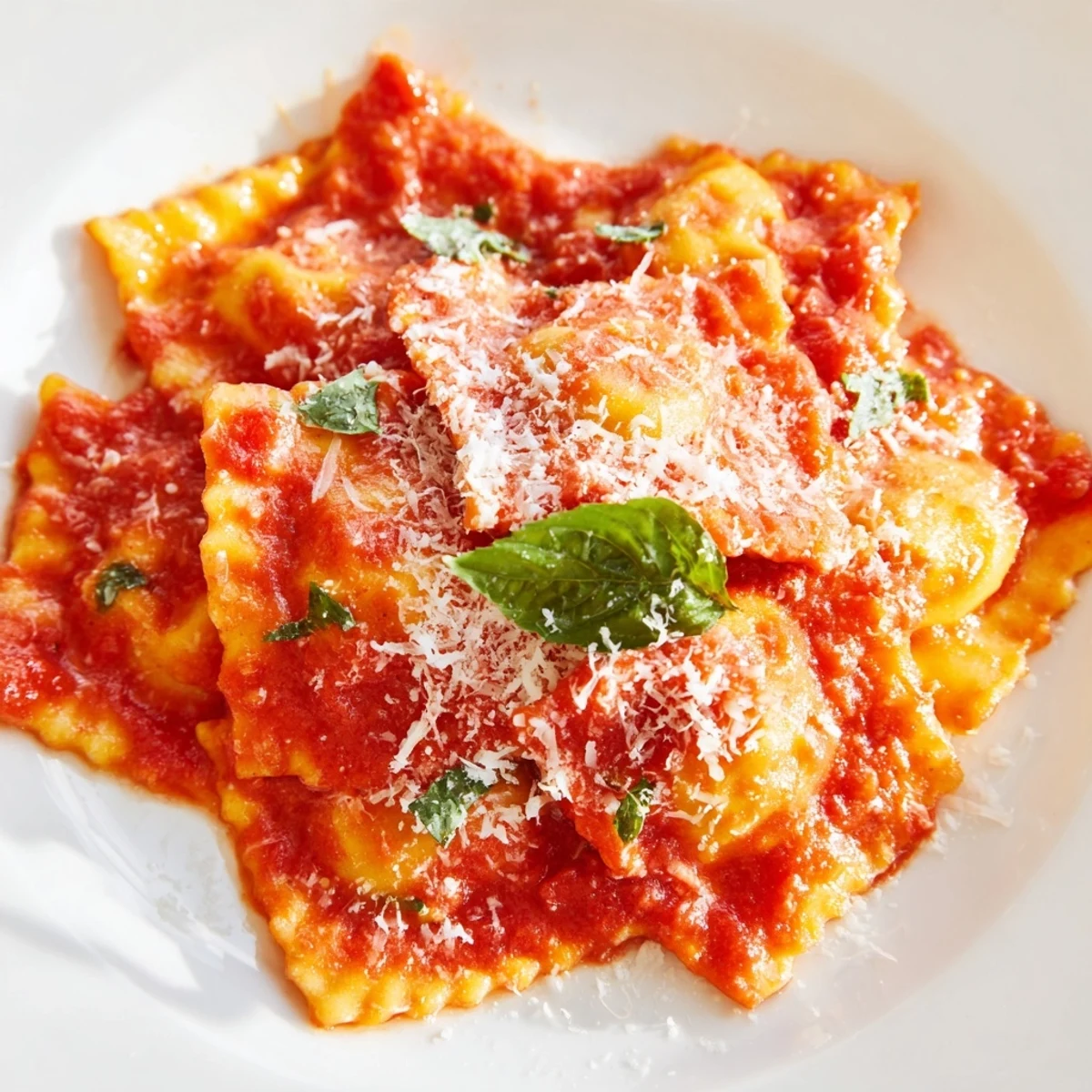
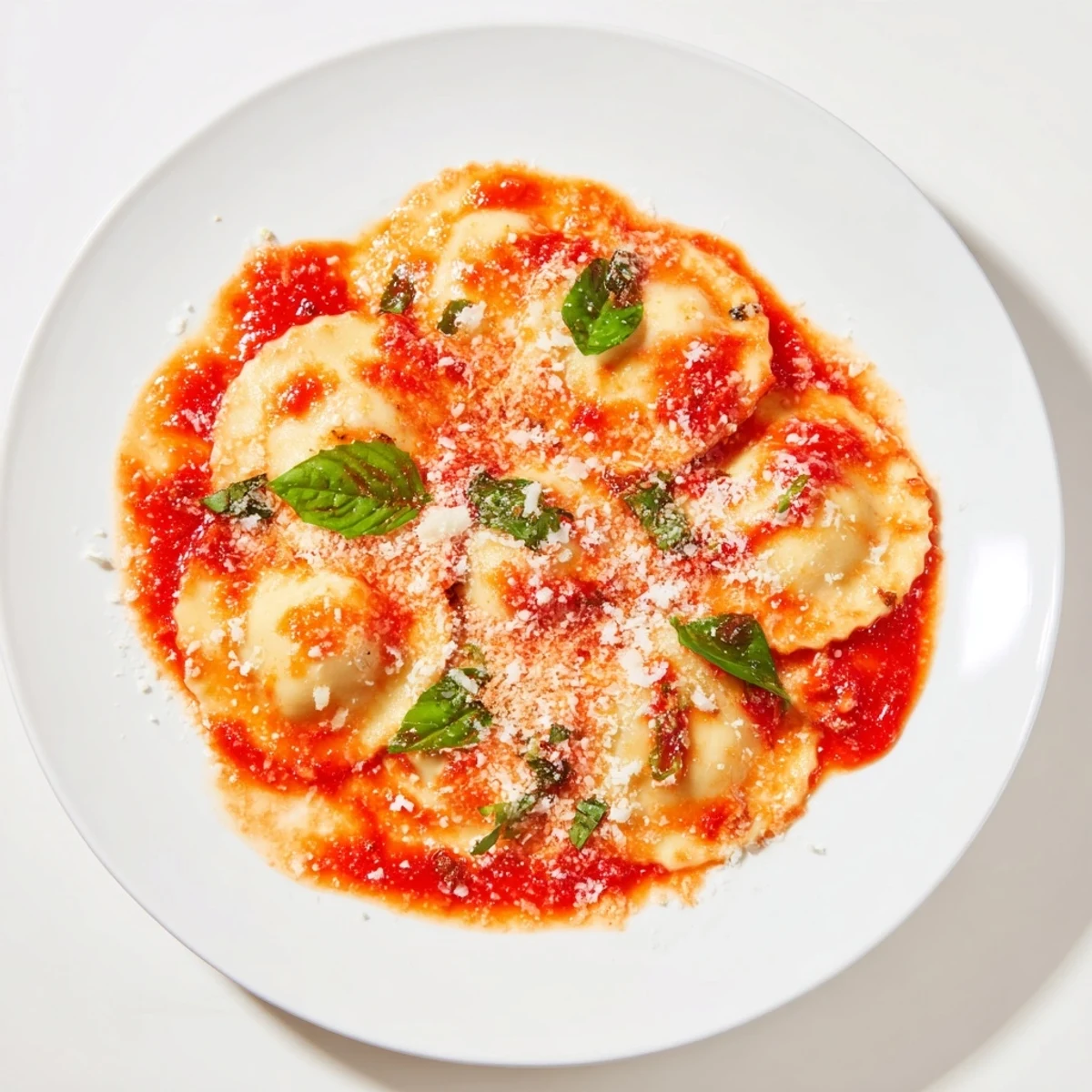
- Serve immediately, topped with grated Parmesan and extra basil:
- The cheese should melt slightly into the warm sauce, creating those irresistible creamy pockets everyone fights over
 Pin It
 My daughter asked if we could have this for her birthday dinner instead of going out to a restaurant. That's when I knew this simple recipe had become something more than just weeknight convenience—it was now part of our family's story.
Making It Your Own
I've learned that adding a handful of baby spinach to the sauce right before tossing in the ravioli is an easy way to sneak in some greens. The spinach wilts instantly in the hot sauce and picks up all those beautiful tomato flavors without feeling like an afterthought.
Timing Is Everything
The real secret here is starting your sauce before you even put the water on to boil. By the time your pasta water is boiling, your sauce has had those crucial few minutes to deepen in flavor and develop that restaurant-quality richness.
Perfect Pairings
A crisp green salad with a bright vinaigrette cuts through the richness of the cheese ravioli beautifully. I love serving this with hunks of crusty bread for sopping up every last drop of that incredible sauce.
- Try adding a splash of cream to the sauce for a pink version that feels incredibly indulgent
- A drizzle of high-quality balsamic glaze over the finished plates looks stunning and adds sweet acidity
- Keep some frozen ravioli in your freezer for those nights when even takeout feels like too much effort
 Pin It
 Some of the best meals are the ones that remind us that feeding ourselves and the people we love doesn't need to be complicated to be meaningful.
Recipe Questions
- → Can I use dried pasta instead of fresh ravioli?
-
Yes, dried ravioli works perfectly—just cook according to package directions, which may take 2-3 minutes longer than fresh. You can also substitute tortellini or other stuffed pasta varieties.
- → How do I store leftovers?
-
Store cooled ravioli and sauce together in an airtight container for up to 3 days. Reheat gently in a skillet with a splash of water, adding fresh basil before serving to revive the flavors.
- → Can I make the sauce ahead of time?
-
Absolutely. Prepare the tomato-basil sauce up to 3 days in advance and refrigerate. Reheat gently while cooking the ravioli, then toss everything together just before serving.
- → What other garnishes work well?
-
Beyond Parmesan and basil, try a drizzle of high-quality olive oil, a pinch of crushed red pepper for extra heat, or a sprinkle of nutritional yeast for a dairy-free cheesy finish.
- → Is this suitable for freezing?
-
The sauce freezes beautifully for up to 3 months. However, cooked ravioli tends to become mushy when frozen. For best results, freeze the sauce separately and cook fresh pasta when ready to serve.